Tag Archives: mulch types

The Best Organic Mulch for Your Garden

Organic mulch can help block weeds, add organic matter, hold in moisture, keep the soil cool, and increase your garden’s production. We’ve found that mulch is one of the best ways to improve soil over time. Like us, many of our customers garden in heavy clay soils where mulch is helpful for slowly building up organic matter. It’s also been critical for reducing our water usage when much of the Southeast has been in drought. If you want to add mulch to your garden this season, there are many options to consider.

The Best Mulches for Vegetable Gardens

The best mulch for your garden will depend on several factors. You want to consider your climate, your soil, and what’s readily available in your area.

Grass Clippings

If you have a mower with a bagger, grass clippings can be an excellent free option. They’re great for adding organic matter and a bit of nitrogen to the soil. While they’re decomposing, grass clippings can form thick, slimy mats. If you’re worried about this, dry your grass clippings in the sun for a couple of days, flipping the pile over with a rake a few times before placing them on your beds.

Avoid using grass clippings from lawns that may have been treated with pesticides or herbicides. It’s also best to avoid long, overgrown lawns that are full of grass and weed seed heads.

Old Leaves

Old leaves are one of our favorites because in our area, they are free and abundant. However, whole leaves have a tendency to blow away during dry periods. Shredding them or allowing them to decompose partially before applying them to the garden can help keep them in place.

Many cities have people collect leaves in bags, and you can sometimes get these for free. However, you risk that the leaves may be contaminated with herbicides or other chemicals on someone’s lawn.

Straw

Many gardeners prefer straw for their vegetable gardens. It’s attractive, easy to apply, and keeps produce like cucumbers and squash clean and dry. It’s also pleasant to walk on and usually isn’t treated with any chemicals.

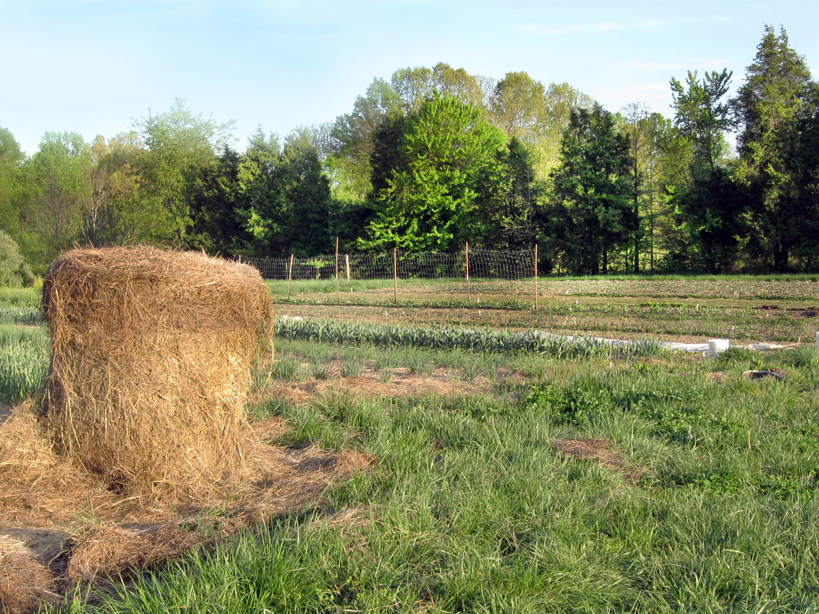
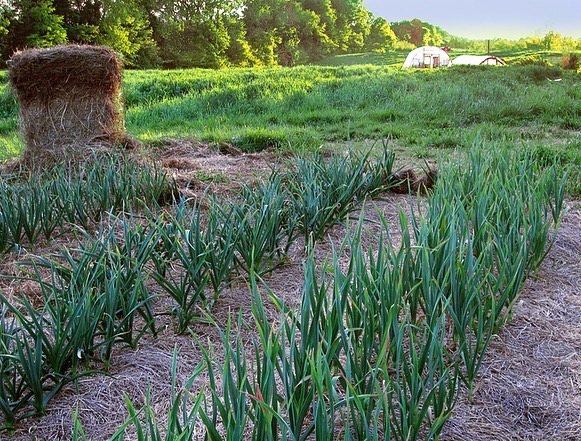
The one major downside of straw is the price. Depending on your location and the size of your garden, using straw mulch can get expensive fast.alliums in hay mulch
Hay

Usually more affordable than straw, hay is a similarly popular choice for vegetable gardeners, especially those looking to build up organic matter. It can provide a dense layer to protect the soil and keep produce clean.

Unfortunately, most hay harbors weed seeds, which can sprout in your garden. You can help prevent the seeds from germinating by using a thick layer and re-applying two to three times throughout the season.

Sadly, the prevalent use of herbicides and pesticides across the United States can also make sourcing clean hay tricky. Some gardeners have had contaminated hay ruin their gardens.

Pine Needles or Pine Straw

Pine needles or pine straw is a popular mulch option in parts of the southern United States and other regions where pine forests are common. While many gardeners worry about it making their soil more acidic, old dried pine needles have a negligible effect on soil pH.

However, pine needles take a while to break down, meaning that they don’t add organic matter to the soil quickly. That said, if you have an abundance, they’re still a good option.

Avoid purchasing artificial pine straw mulch. It isn’t real pine needles; it’s made from shredded plastic and you shouldn’t use it in a vegetable garden.

Paper/Cardboard

Paper and cardboard are a common base layer in new vegetable gardens to block weeds, but you’ll want to select them carefully. Some cardboard and paper options may contain toxic dyes, glue, staples, plastic tape, or plastic linings. Use only undyed material and carefully remove and staples or tape before placing it in the garden.

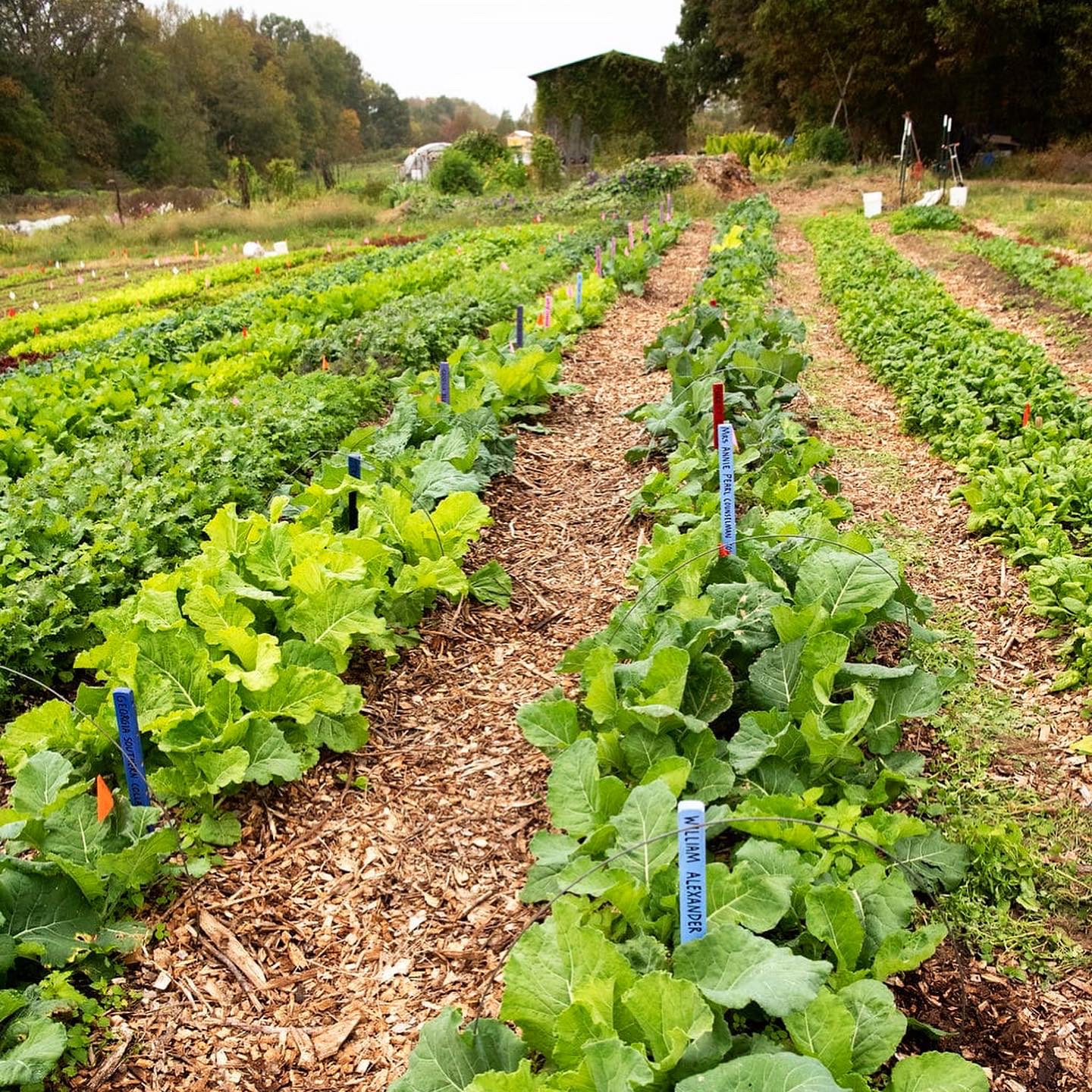
Thick cardboard can also provide a pleasant spot for slugs to hide beneath. If you’re seeing signs of slug damage, check under the cardboard in the morning and remove any slugs.Rows of collards growing in wood chip mulch
Wood Chips

Though not everyone agrees, wood chips are another of our favorites, especially for pathways and perennial beds. You can often source wood chips for free from local power companies that chip trees and limbs they clear from power line right-of-ways. They make a good mulch that breaks down slowly over the season, meaning we don’t have to re-apply too often.

One concern many gardeners have is that wood chips will tie up nitrogen. However, this isn’t really an issue unless you’re tilling the wood chips into the soil. They don’t tie up nitrogen when they’re sitting on top. They can also create homes for insects like slugs or ants, but they provide space for beneficial insects, bacteria, and fungi. In fact, many gardeners grow edible mushrooms on wood chip mulch.

While usually more expensive, shredded, undyed bark mulch also works well.

Using Mulch in the Vegetable Garden

Always collect more mulch than you think you will need. In order for mulch to provide its many benefits, from blocking weeds to adding organic matter, it needs to be thick. For dense mulches like wood chips, a few inches will do, but for light, fluffy mulches like old leaves, you want to add at least 6 to 8 inches.

Before placing mulch, it’s ideal to start with a clean slate and remove any weeds. After adding your mulch, water it in. Alternatively, you can place it on a rainy day.

Avoid placing mulch over seeds that haven’t germinated or covering tiny seedlings. In wet climates, don’t pile mulch over plant crowns or up against plant stems, as it can encourage rot.

If you have slug problems, pull mulch away from plants for a time to remove the hiding places for slugs while you deal with the issue.
How to Grow Your Own Mulch

I can’t say enough good things about mulch. We have several blog post that mention the importance of mulch but if you want to learn more about why it’s so great check out this post, Mulch Ado… The Best Mulch for Your Garden.

If you’re on board with the importance of mulch but trying save money or make your garden as efficient as possible this is the perfect post for you.

Having a well mulched garden doesn’t have to cost a lot or require a lot of outside inputs to your garden. Don’t let those perfect Pinterest gardens with tons of beautiful, golden straw evenly spread around each plant fool you! Growing some or all of your own mulch is totally feasible and chances you already have some growing without even realizing it.

Use weeds.

As long as you don’t let them go to seed, even weeds make excellent mulch. In what some people call the “chop and drop method” you just go through your garden cutting your weeds and dropping them around plants.

Plant your pathways in a clover.

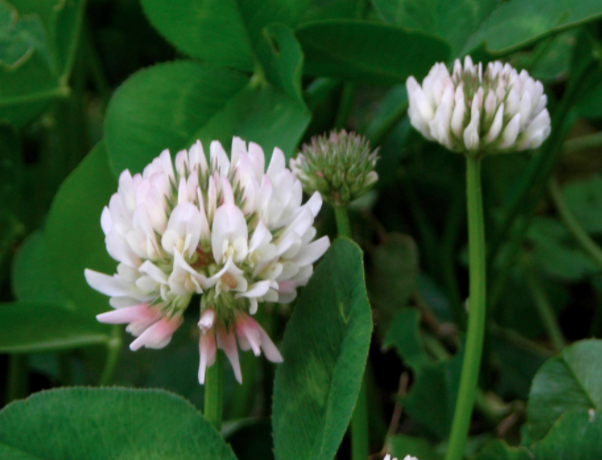
If you’re using permanent beds you can plant your pathways in a perennial cover crop like clover. Clover will add nitrogen to the soil as it grows plus your pathways can be mowed and used to mulch your beds.

Use your lawn.

You don’t need a hayfield to grow a significant amount of your own mulch. If you mow any lawn area at all you should invest in a bagger for your best push lawn mower. Grass clippings can immediately be dumped in the garden around plants and are great for adding nitrogen to the soil.

Don’t remove dead material from around perennials.

I’ve said this before but “cleaning up” your garden is not only unnecessary but harmful for your garden. By removing dead plant material you’re removing nutrients and homes for beneficial insects. The only only exception is when you need to remove plant material that you know is home to a pest like if you had a lot of asparagus beetles you’ll want to remove the dead asparagus fronds in the fall.

Plant some cover crops.

Cover crops are not just for large farms or when you’re resting a garden bed. Cover crops like alfalfa and buckwheat are perfect for sneaking in any small available garden space to grow and cut for mulch.

Check out this post for more great ideas, Cover Crops for Great Green Manure, Mulch, and More.

Grow comfrey.

Comfrey is an excellent choice for mulch because of its deep tap root. It brings nutrients and minerals up from deep in the soil and using its leaves as mulch will make these accessible to other plants. It’s also a hardy perennial and will easily tolerate being trimmed back for mulch.

Use any extra plant material you have.

If you think about the plants you grow chances are you’re probably already growing some of your own mulch and are just composting or tilling it in instead. Try thinking of every non-edible plant material as potential mulch. When you pull pea plants off their trellises when they’re finished for the year use them to mulch around your next crop. Did you grow hardneck garlic? Lay down the stalks as mulch after you harvest the bulbs. Even peanut shells can be used for mulch.

Try growing some of your own grains.

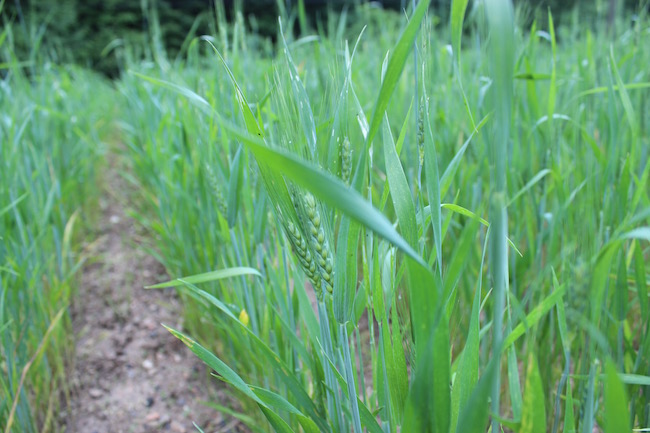
Most grains offer mulch as a secondary product. Whether you’re interested in rye, wheat, or rice once you’ve threshed the cereal off the plant you’ll be left with a lot of straw. This straw is perfect mulch. Did you know older grain varieties are much taller than modern varieties partially because straw isn’t valued in modern commercial agriculture?

The importance of mulch in your garden cannot be understated. Whether you’re trying to conserve moisture, add nutrients to the soil, create habitat for beneficials, or just cut back on weeding mulch is an integral part of maintaining a healthy garden. Using these tips you can mulch your garden without spending tons of money or relying solely on outside inputs.

Pin it for later.

Mulch Ado…

Not all mulch is created equal.  Types of mulch range from great to not-something-you’d-want-in your-garden.

The Compost Solution

If you’re looking for a rich, black mulch containing ample nutrients for your plants, the answer is simple—use garden or kitchen compost!

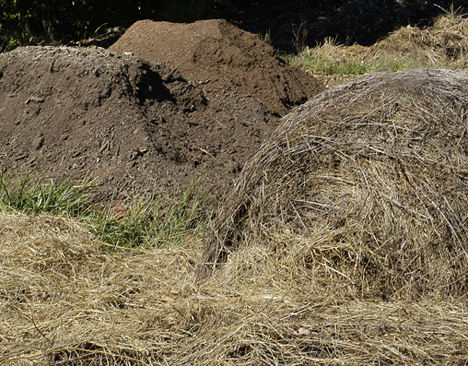
Hay and compost used for mulch

If you’re going to compost organic materials yourself, make sure to have just the right balance of brown (carbon-rich) and green (nitrogen-rich) materials, so that your compost will break down efficiently. If you don’t have a lot of material to work with and if quick-and-easy composting is of the utmost importance to you, you might want to invest in a compost tumbler. But here at Southern Exposure, we do it the old-fashioned way! If you, too, have an open-style bin, make sure to turn it with a garden fork every two weeks to aerate the pile and to move dry material from the outer edges to the center.

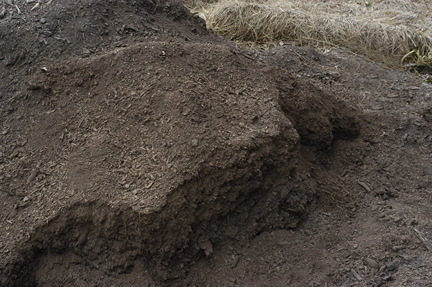
Compost has a dark crumbly texture

You’ll know when your compost is ready because it will look beautifully dark and crumbly, and should smell earthy. Still see an orange peel? It’s not done! You definitely should not be able to pick out any original ingredients.  If you don’t have the time or means to make compost yourself, give your township a call. Many municipalities compost the yard waste they collect and then offer the finished product back to their residents.

Hay: Not Just for Horses…

…it’s also for your garden! Here at Southern Exposure, we often use hay and straw to mulch our crops.

Hay comes from grasses and legumes such as alfalfa or clover that are cut, dried, and used to feed farm animals. Straw, on the other hand, has little to no nutritional value for animals–it is made from dried, mostly-hollow stalks of grain. Straw and hay make for different mulching experiences.

Hay Mulch

Hay is nice and heavy, so it is likely to stay put once placed in your garden. However, when mulching with hay, be aware that it could contain weed or grain seeds that may eventually sprout. This is not really an issue with straw, but straw is much lighter than hay, which means that you’ll have to use a lot more of it to get it to stick around come wind and rain.

Oak’s No Joke

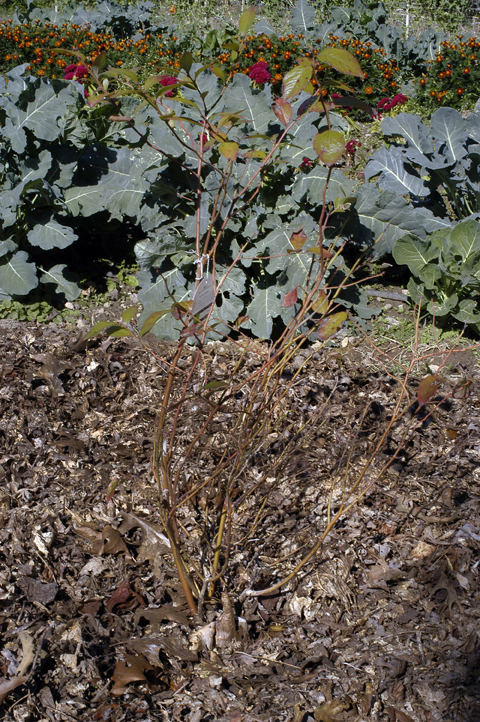
Blueberries growing in oak leaf mulch

If you’re a fellow resident of Virginia, where live oaks are commonplace, you might want to try using oak leaves as mulch. Live oaks are classified as evergreens because they hold onto their leaves all winter long…but come springtime, keep your eyes peeled! You won’t have to look very hard to find fallen oak leaves in abundance, as live oaks drop their leaves over a two-week period each spring.

Oak leaves add acidity to soil, so make sure you’re using them on plants that can tolerate this. You can either directly mulch your garden with oak leaves, or compost them first (chopping them up with a lawn mower or other tool will help them to decompose faster, as will mixing them with nitrogen-rich materials).

The Electric Pine Needle Acid Test

Using pine needles as mulch, which is often called pine straw, is a good idea when you are looking to increase the acidity of your soil. Garlic, mint, onion, blueberry and tomato plants would appreciate this, as would azaleas, chrysanthemum, rhododendron, and roses.

And besides giving certain plants their acid fix, pine needles bind together to provide a weed-suppressing blanket that is unlikely to wash away with heavy rains.

Another great thing about using pine needles as mulch is that you can easily collect it yourself. Even if you don’t have pine trees on your property, neighbors with pines might happily agree to let you scoop needles off their grass—the needles’ high acidity makes for splotchy lawns, just make sure to consult with your arborist first.


Coulda Shoulda Wooda

Wood mulch is a common type of mulch because it’s good at suppressing weed growth. But if you’re planning on buying commercially produced wood mulch, be aware that it may be made out of trashed wood, which could add arsenic and other chemicals to your soil.

Wood chips for mulching a path

Also, if you want to avoid moldy mulch, using wood chips as mulch might not be the best choice. Now, some molds and fungi—natural aspects of the decomposition process for all organic material—are benign or even beneficial for plants. But others are nuisances. Case in point: wood mulch can breed a nasty mold called “shotgun” or “artillery” fungus, which leaves impossible-to-remove spores that look like balls of tar on homes and cars.

If you’re still into the idea of using wood mulch, why don’t you try sawdust? The founder of Southern Exposure originally used sawdust as mulch in his garden, and he had no problems with it.

Rubber Mulch: Old Tire Chunks on Your Plants?!

For instance, did you know that many types of mulch you can buy in the store are thickened with ground rubber, potentially from used tires? Though rubber mulch might be good for playgrounds (if you don’t mind exposing your kids to the chemicals components of artificial rubber, but hey—we’re not talking child rearing here), it simply does not belong in your garden.

The cons of using rubber as a mulch ingredient far outweigh the fact that rubber contains a small amount of nitrogen. Zinc, cadmium and other heavy metals from rubber mulch could seep into your soil. Plus, it stinks in the heat!

What’s Mulch Got To Do With It?

In conclusion, we just want to reiterate something you’ve hopefully already figured out—mulch is very important! All mulch types help soil and root health by retaining moisture, managing temperature, and preventing weed growth.

Finished compost