Tag Archives: garden design

Guide to Raised Bed Design

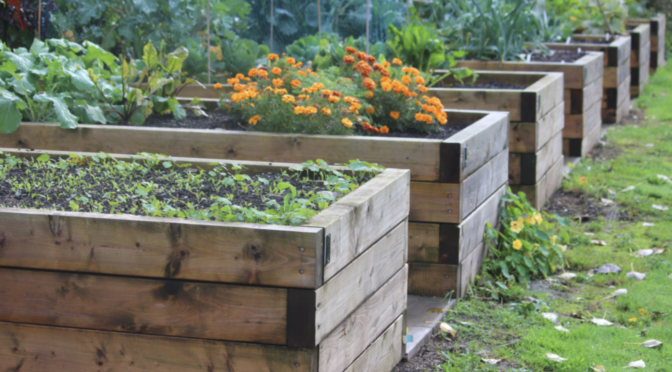
Raised garden beds are a great choice for many gardeners. They allow you to turn unused space, like a rooftop or yard, into a productive garden. They can also make gardening more accessible for those with limited mobility. While there are many ways to make a raised bed, there are a few features you want to consider when designing a raised bed to have a productive vegetable garden.

Selecting a Site for Your Raised Beds

When choosing a spot for your raised beds, you want to consider the site’s accessibility, access to water, sunlight, and surface. Most people find they use their garden’s fresh produce more when it’s easy to harvest. If you can, placing raised beds near a door may encourage you to enjoy more fresh herbs in your recipes or fresh side salads. Passing them daily can also help you remember to weed, water, and harvest frequently.

Ideally, your beds should also be within reach of a hose or irrigation source. You can hand water raised beds, but lugging heavy watering cans isn’t most people’s idea of a good time.

Sunlight is perhaps most critical. Raised beds need to receive at least 6 to 8 hours of sunlight per day for your crops to thrive. Vegetables like tomatoes, peppers, and summer squash will all grow, produce, and ripen faster when they receive plenty of sunlight.

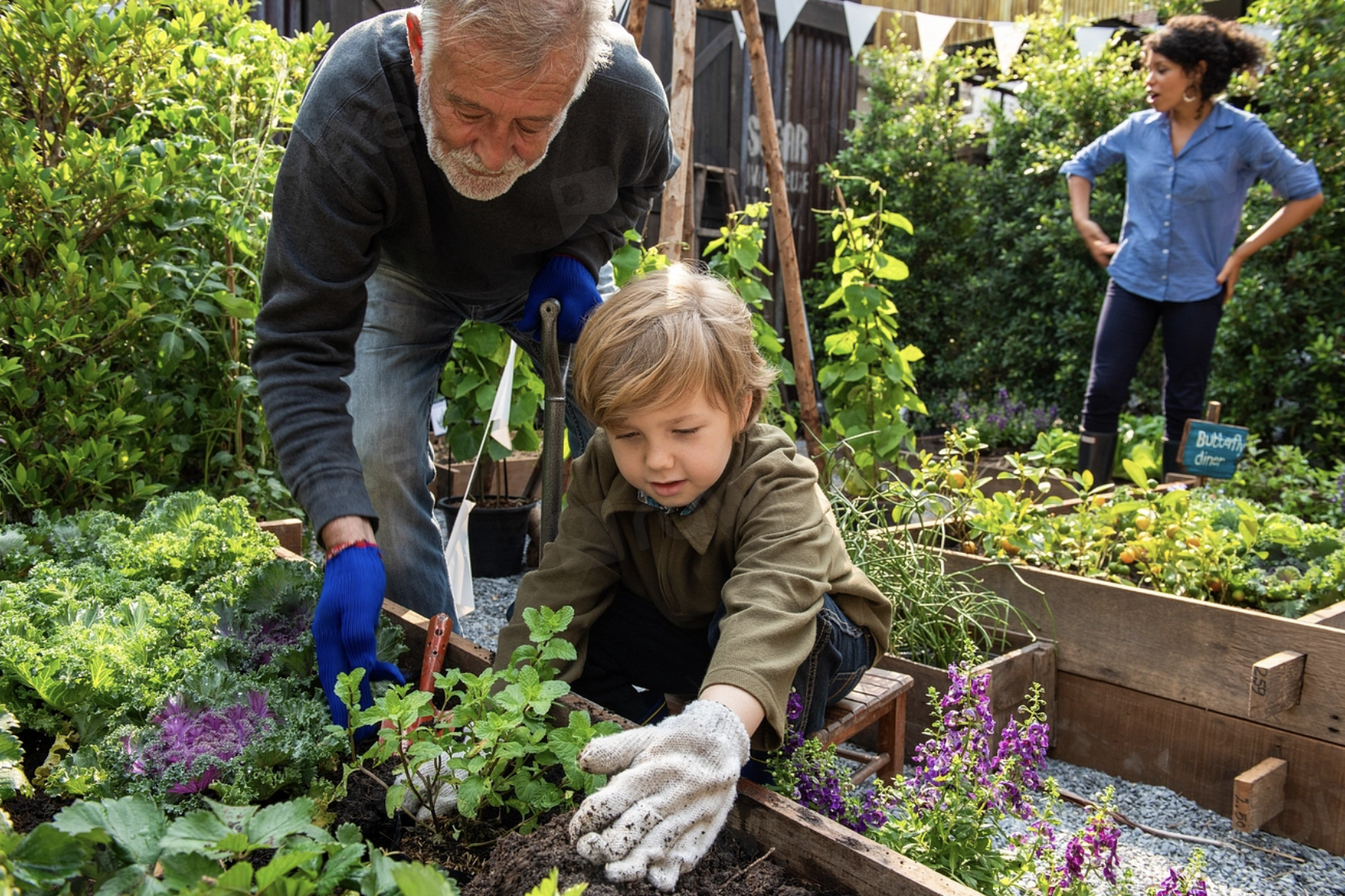
Last, think about what surface you will construct your raised beds on. Is it a front yard with good quality soil, a paved extra driveway spot, or a once abandoned lot for a community or urban garden? In an area with good soil, your plants will send roots down through the raised bed and into the ground. However, if you a growing in an area where the ground could be contaminated, construct a raised bed with a solid but permeable bottom so that water can drain out but your plant’s roots can grow down into the soil.man and child planting in a raised bed
How Deep Should My Raised Bed Be?

Raised beds should be as deep as possible so that large crops like tomatoes, artichokes, and sweet potatoes have plenty of room to grow healthy roots. At a minimum, you want your raised bed to be 12 to 18 inches deep.

Unfortunately, many gardeners are limited by their budget or their space. If you don’t have the setup or budget for a deep raised bed, you can always focus on shallow-rooted crops like lettuce, strawberries, cilantro, spinach, onions, spring radishes, and other greens and herbs.

How Big Should My Raised Bed Be?

Raised beds can be any size that works for you! One thing to keep in mind is how far you can reach. We like to keep raised beds about 3 to 4 feet wide so that someone weeding or planting can easily reach into the center.

Having several shorter raised beds rather than one long one can also make them more accessible. Pathways all the way around your beds will allow you to maneuver to weed, harvest, water, or bring in wheelbarrow loads of compost. Keep pathways about 2 feet wide or wider for easy access.

You may also want to choose a unique design, like a keyhole or U-shaped raised bed, so that you can easily reach all of the garden without moving your position. These types of raised beds lifted onto tables or built tall are ideal for wheelchair access.

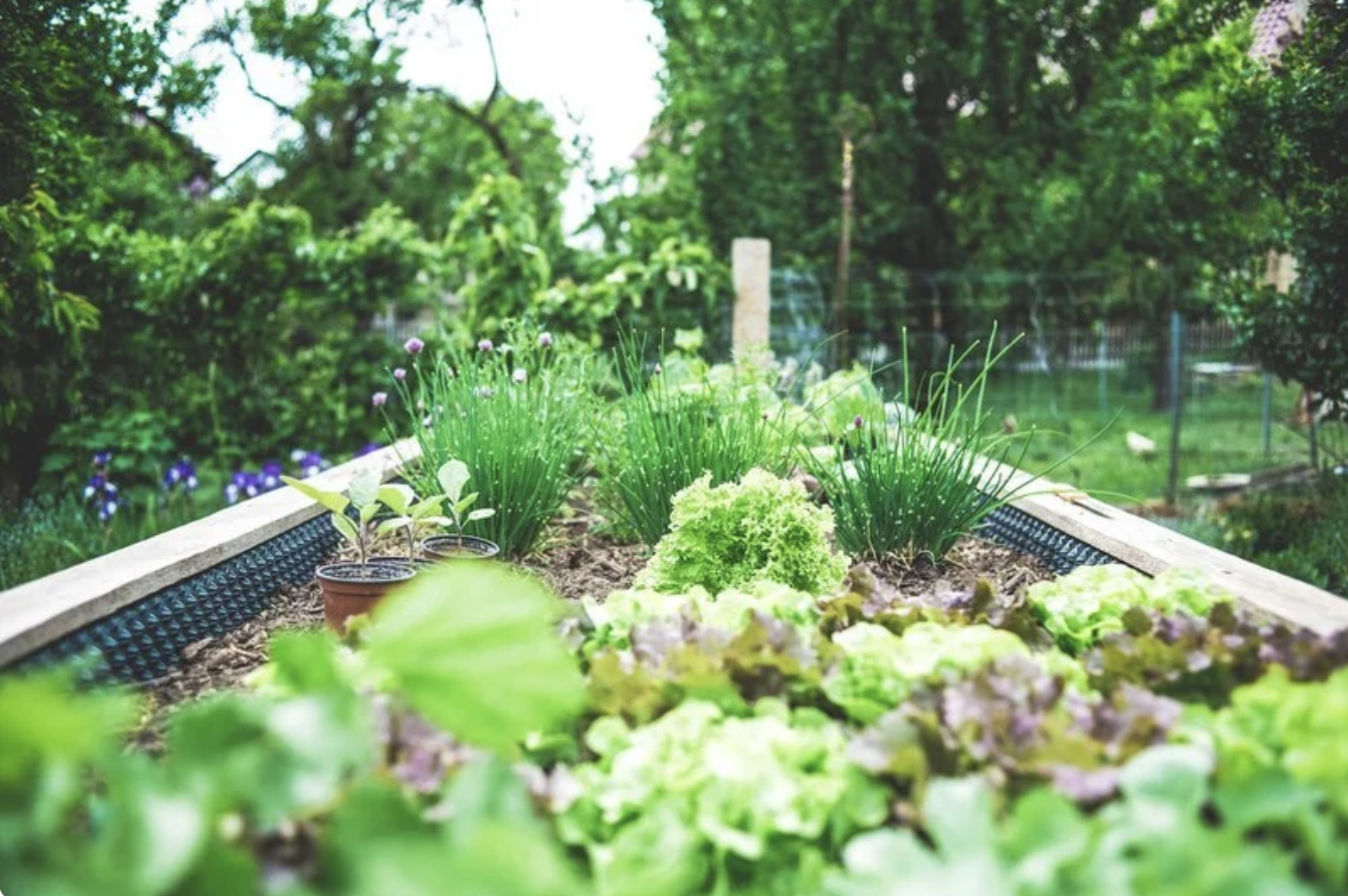
Laying out your raised bed positions with stakes and string or large pieces of cardboard can help you make the best choices for sizing and layout.raised bed planted with lettuce and chives
What Materials Should I Use for Construction?

There are so many materials you can use to construct raised beds, but there are a few things to consider, like your budget, the material’s longevity, its weight, and how easy it is to source. Many gardeners opt to create raised beds from materials that already have on hand or can find used.

Popular options for raised beds include bricks, stones, galvanized or powder-coated steel, or rot-resistant lumber like cedar, black locust, black cherry, oak (chestnut, bur, post, white), or Osage orange. Using reclaimed lumber or logs is another common choice, just keep in mind that most wood will rot fairly quickly and need to be replaced.

Some gardeners also use cinder blocks or cement blocks to create permanent raised beds. However, many of these contain fly ash, which is a byproduct of burning coal. Fly ash contains heavy metals and hazardous materials. While some sources indicate these blocks are safe for raised beds, we encourage gardeners to make their own decision.

You also want to avoid other materials that might leach toxins into your soil. These include railroad ties treated with creosote, used tires, pallet wood that has an “MB” stamp, meaning it’s treated with methyl bromide, or CCA-treated wood from prior to 2003 that contains toxins like arsenic and chromium. Painted wood may also be an issue if you don’t know the source. The paint could be lead paint. Lastly, some plastic materials could break down and leach toxins over time.

What Soil Should I Use?

One of the major expenses associated with raised beds is the soil to fill them. Unfortunately, it’s best not to just dig soil from the backyard. To fill your raised beds, you need soil that’s well-draining and rich in nutrients.

A mix of finished compost and high-quality topsoil or potting mix is a good option. We recommend about 50% to 60% topsoil and 40% to 50% compost. It’s best to purchase topsoil from a trusted local nursery, as many states lack any regulation on topsoil quality. If you have plenty of homemade compost, you can also opt to fill your beds entirely with it.
Starting a Cottage Garden

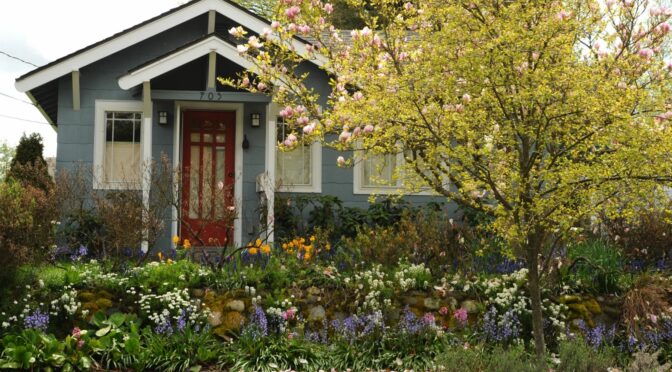
If you’ve been dreaming of flower gardens of spring, odds are you’ve come across enchanting images of care-free looking cottage gardens. Their vibrant colors and seamless blend of plants are a pleasure to look at, especially in the depths of this cold winter! If you’re considering creating a cottage garden on your property this spring, here’s a bit of advice.

How to Start a Cottage Garden

Like so much of gardening, building a cottage garden is an exercise in patience. Many of those beautiful cottage gardens you see on Instagram and Pinterest have been created over years. Gardeners slowly adding perennials, shrubs, and self-sowing flowers as they hone their style and skill through trial and error.

Plan to start small. Choose a few of your favorite varieties and maybe a shrub or two. You don’t want to spend tons on seeds and plants only to realize it’s too much for you to care for or some aren’t suited to your garden or style. 

Find friends or local gardeners who have similar tastes. You can swap seeds, cuttings, and perennial divisions with friends to help expand your garden more quickly and affordably. 

If you have a large area that you’re set on planting, consider seeding a section of it in a wildflower mix. Mixes are great for pollinators and other wildlife. They also allow you to try many new flower varieties and are generally low-maintenance.

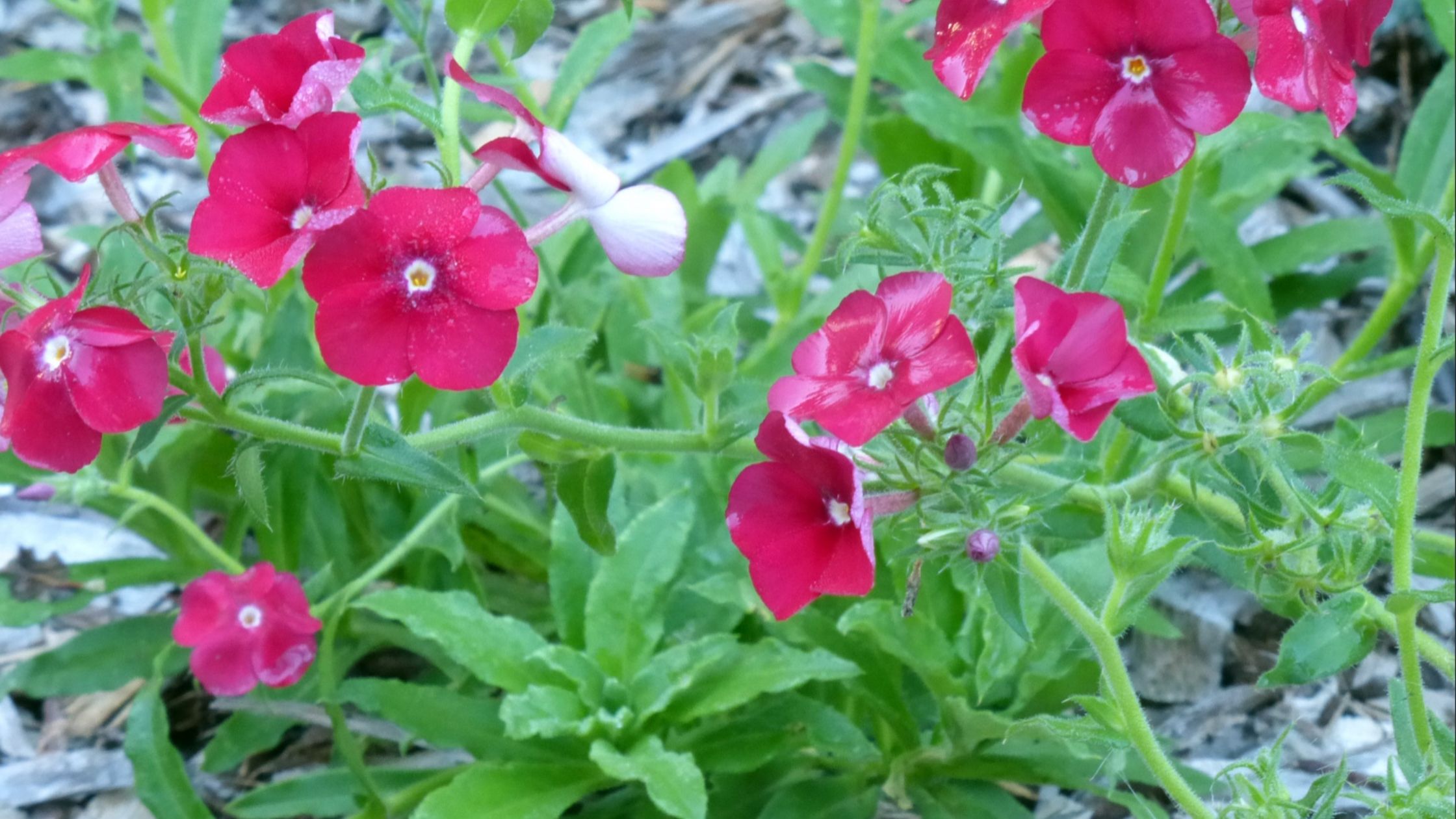
Red Drummond Phlox for a Cottage Garden
Red Drummond Phlox

Flowers and Plants for Cottage Gardens

One of the best things about cottage gardens is that there are no hard rules. You can play with the varieties you enjoy. Don’t be afraid to try blending in a few herbs or even vegetables. Here are just a few of the types that spring up in many cottage garden scenes:

  • Hollyhocks

    These biennial flowers invoke images of English countryside gardens. We carry Outhouse Hollyhocks with a mix of deep red, pink, and white blooms and Black Hollyhocks with satin blue-black flowers.

  • Strawberries

    Strawberries make a beautiful, spreading ground cover with leaves that turn red in the fall. They’re fun for children and adults alike to snack on as a they wander through the flowers.

  • Bee Balm

    Bee balm is also called bergamot or monarda. This unique-looking native flower is medicinal and a favorite of hummingbirds. It prefers moist soil and will thrive in partial shade.

  • Daffodils

    The quintessential spring flower, daffodils, are great naturalizing bulbs to tuck into your garden next fall. They bring cheery, early color to the landscape. 

  • Delphinium

    Also called Larkspurs, these annuals bring a lot of color to cottage-style gardens. The name Delphinium originated with the ancient Greeks. It’s derived from the Greek word “Delphis,” which means dolphin. The Greeks thought that the flower bud resembled the shape of a dolphin’s nose.

  • Echinacea (coneflowers)

    Hardy, native, medicinal, self-seeding, and great for attracting pollinators, these native flowers are a must-have. Note that when starting seeds indoors, echinacea seeds do best when they go through cold stratification. We carry four varieties at SESE. 

  • Sweet Peas

    These spring beauties are a favorite for cottage gardens. They add splashes of color and height early in the season, but you’ll need a sturdy trellis.

  • Lavender

    Fragrant and medicinal, growing lavender from seed is worth the effort. We carry perennial English Munstead Lavender, which looks excellent in solitary clumps or lining pathways.

  • Foxglove

    These towering spires of colorful bell-shaped flowers look like something out of fairytale. They’re ideal for adding height to beds.

    All parts of foxglove are toxic. Be careful planting these in gardens visited by young children and pets.

  • Chives

    Chives are both tasty and beautiful. Their subtle purple flowers look great mixed with other brilliant colored flowers.

  • Phlox

    There are many species of phlox that come in a range of colors and heights. The Red Drummond Phlox that we carry is good for pollinators and adding color to the fall garden. The blooms are very hardy surviving down to 20°F.

  • Thyme

    Creeping Thyme’s lemony aroma and creeping nature make it an excellent ground cover for cottage gardens and rock beds.

  • Swiss Chard

    Chard’s lush, deep green leaves add an edible element to your flower garden and look stunning throughout the summer. For a splash of color, consider Prismatic Rainbow Chard or Ruby Red. Fordhook Giant Chard is an excellent choice for larger visual interest.

There are a few additional considerations when selecting varieties. Choose varieties with varying bloom times to keep your garden looking lush and colorful all season. You also want to look at what conditions they grow best in, such as partial shade or sandy soil.

You may also want to repeat colors or patches of specific varieties to help create a cohesive look throughout your garden.

Other Additions

In addition to the plants, trees, and shrubs, cottage gardens frequently contain other features to give them interest. You’ll see gardens with winding pea gravel pathways, fountains, birdbaths, trellises, and fences. As each cottage garden is as unique as its gardener, you can feel free to use whatever elements speak to you, whether it’s a white picket fence to line with hollyhocks or an old iron bed frame covered with vining morning glories. 

Maintaining a Cottage Garden

While they tend to give the impression of having sprung up naturally, cottage gardens can take quite a bit of maintenance. 

Watering

How often you need to water will depend on various factors, including the varieties you’ve chosen, your location, and the weather each year. While some flowers are more drought-resistant than others, like echinacea, most flowers will produce more blooms when they receive adequate water. 

If you want a low-maintenance garden, it may be worth investing in drip irrigation, soaker hoses, or a sprinkler that you can set to a timer.

Deadheading

Many flowers will have longer bloom periods if you consistently deadhead them. This means that you remove spent flowers. Some varieties that do well with this include zinnias, hollyhocks, sweet peas, petunias, cosmos, delphiniums, and bee balm.

Keep Plantings in Check

You may notice that many cottage gardens include flowers like rudbeckia that tend to naturalize and spread on their own. To prevent these from pushing out other less vigorous varieties, you may need to weed them out of areas you don’t want them to spread. You can also share clumps with others or move them to new places in your garden. 

Dividing Perennials

Some perennials like phlox, heuchera (coral bells), and chives perform best with periodic dividing. You’ll want to divide them every couple of years to keep them looking fresh and thriving. Thankfully, this is another great opportunity to expand your garden or share with friends. 

Cottage gardens are a fantastic choice for creating a garden that represents your uniques style and grows with you. Use these tips as a starting point as you grow your own.