Tag Archives: native plants

10 Tips for Starting Native Plants from Seeds

We’ve been getting more and more interest in native seeds, and with good reason! Native plants help support pollinators and native wildlife, control erosion, reduce irrigation needs, and eliminate the need for pesticides and fertilizers. We’ve been slowly adding more native varieties to our offerings at Southern Exposure, but this process isn’t always simple. Many native varieties are tricky to grow from seed, making them challenging for us to maintain and challenging for our customers to grow. Thankfully, we have found some varieties that work well for us and methods to help them thrive. Here are some of the native seeds we carry and tips to help you get them started in your garden.

Native Seeds at Southern Exposure Seed Exchange

Here are some varieties we carry at Southern Exposure that are native to North America.

*Ginseng and goldenseal are available as rhizomes.

Native is relative to your location. While a few of these grow throughout the United States, many had a much more limited range. For example, Lemon Bergamot is native to the Appalachians, while Echinacea Angustifolia is native to the dry prairies of the central Midwest.
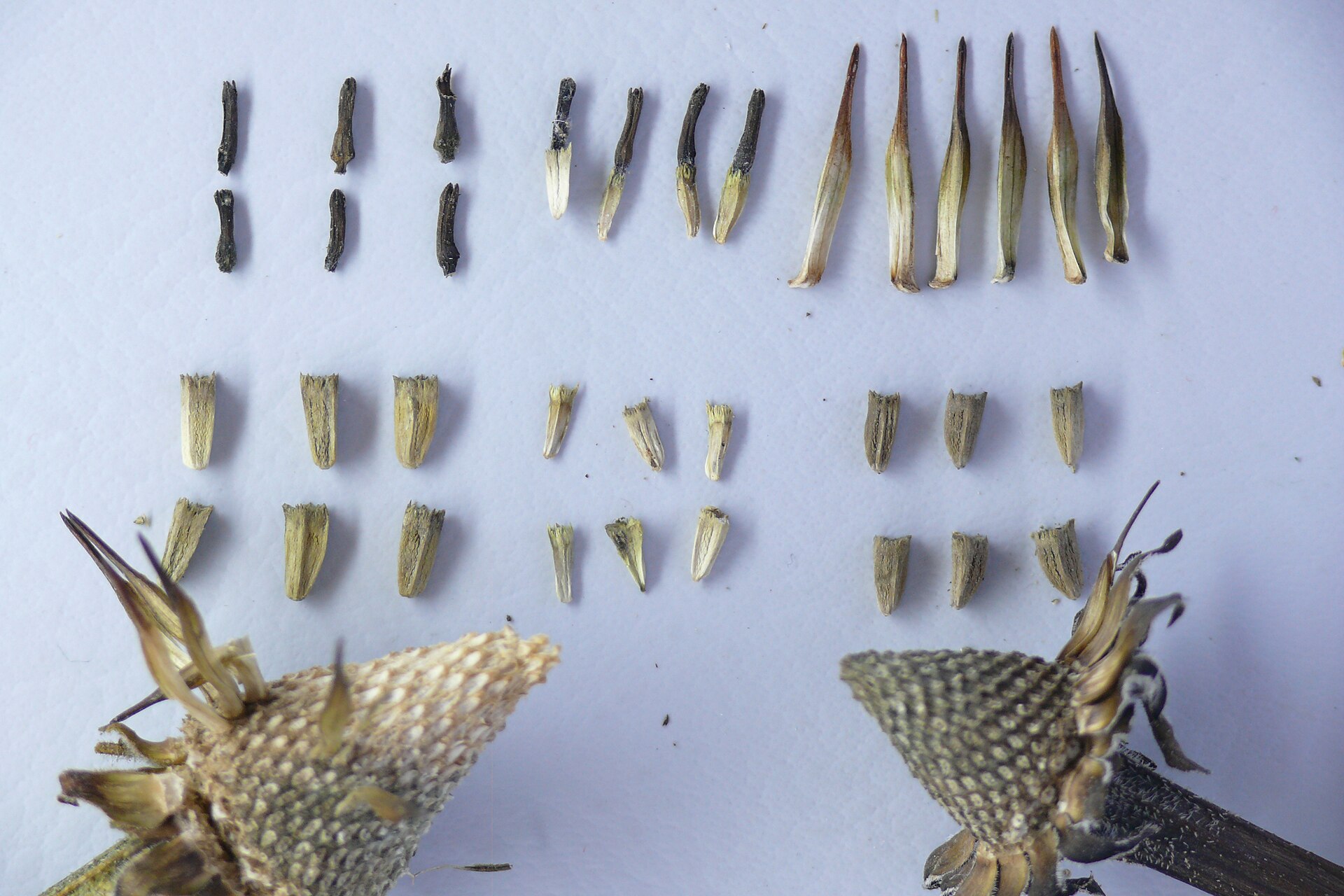
Echinacea purpurea seeds
Echinacea purpurea seeds. Temdor, CC BY-SA 3.0 <https://creativecommons.org/licenses/by-sa/3.0>, via Wikimedia Commons

Follow the Seed Starting Instructions Carefully

Most native varieties are more complex to start from seed than the vegetables we carry. Without proper care, they may have low germination rates, so it’s critical to follow seed-starting instructions carefully. We’ll discuss a couple of methods you may need below.

Stratify Seeds if Necessary

Many native seeds have a hard seed coat. In nature, the plant drops the seed in the fall, and then the seed coat slowly breaks down during the freeze and thaw cycles of winter. After the coat breaks down, the seed can germinate in spring.

Gardeners can mimic this process using a method called cold stratification. Basically, you sow seeds indoors and then place them in a refrigerator for 2 to 4 months. See our full guide to cold stratification.

Try Sowing Outdoors in the Fall

You can also sow many seeds outdoors in the fall. If you live in an area with cold, moist conditions, your seeds will naturally go through the stratification process. This works well with many flowers like coreopsis, echinacea, and butterfly weed.
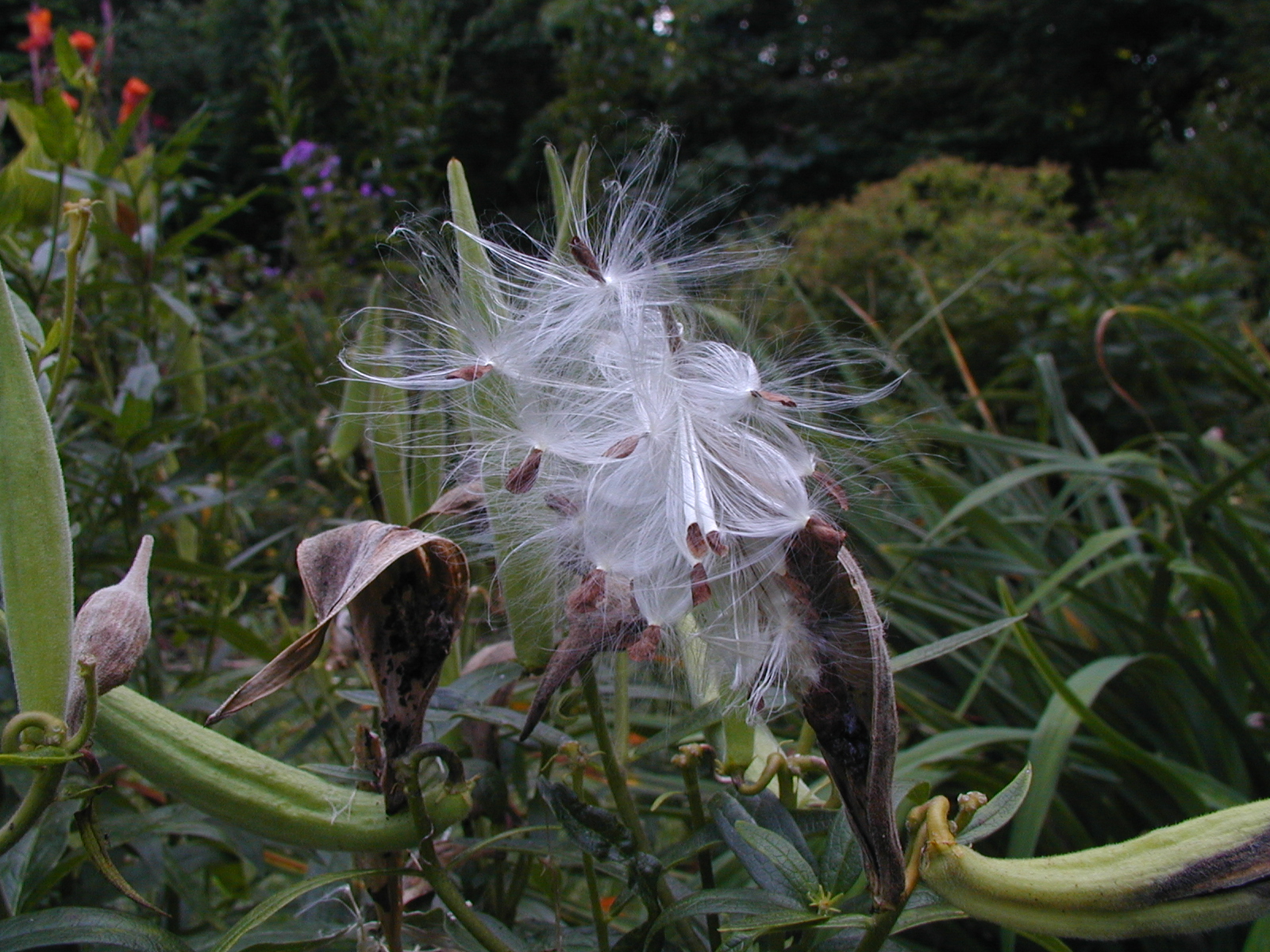
Butterfly Weed Seed pods splitting open releasing seeds
Butterfly Weed Seeds (Asclepias tuberosa) User:SB_Johnny, CC BY-SA 3.0 <http://creativecommons.org/licenses/by-sa/3.0/>, via Wikimedia Commons

Scarify Seeds if Necessary

Some native species with a hard seed coat require weakening of the seed coat in order to germinate. Usually, these are large-seeded varieties, like those in the legume family. 

To scarify the seeds, rub them between medium-grit sandpaper. You just want to abrade the seeds a bit, but don’t crush them. Alternatively, for very large seeds, you can use a knife to nick the seed coat.

If your variety requires both scarification and stratification, scarify the seeds first.

Surface Sow Small Seeds

Many varieties with tiny seeds require light to germinate. Always double-check specific instructions, but for most tiny seeds, you just want to gently press them into the surface of the soil. If you’re starting them indoors, make sure they’re under lights right away.

Don’t let the seeds dry out. If you’re growing them in trays or containers, you can bottom water them to avoid disturbing the delicate seeds. You can also gently spray them with a plant mister.

Soak Large Seeds Before Planting

Soaking large-seeded varieties can help you get a jump on the germination process. Try soaking them overnight before planting. This helps to soften the hard seed coats and hydrate the seed embryos. 

Remove Grass and Other Weeds from Your Planting Site

As rugged as native plants are, they can still have trouble competing with common grass and weed species found in our lawns, especially when they’re small. It’s best to remove any grass and weeds from your planting site before getting started. You can use tilling, solarization with tarps, or a combination of methods to achieve a blank slate to begin your native garden.
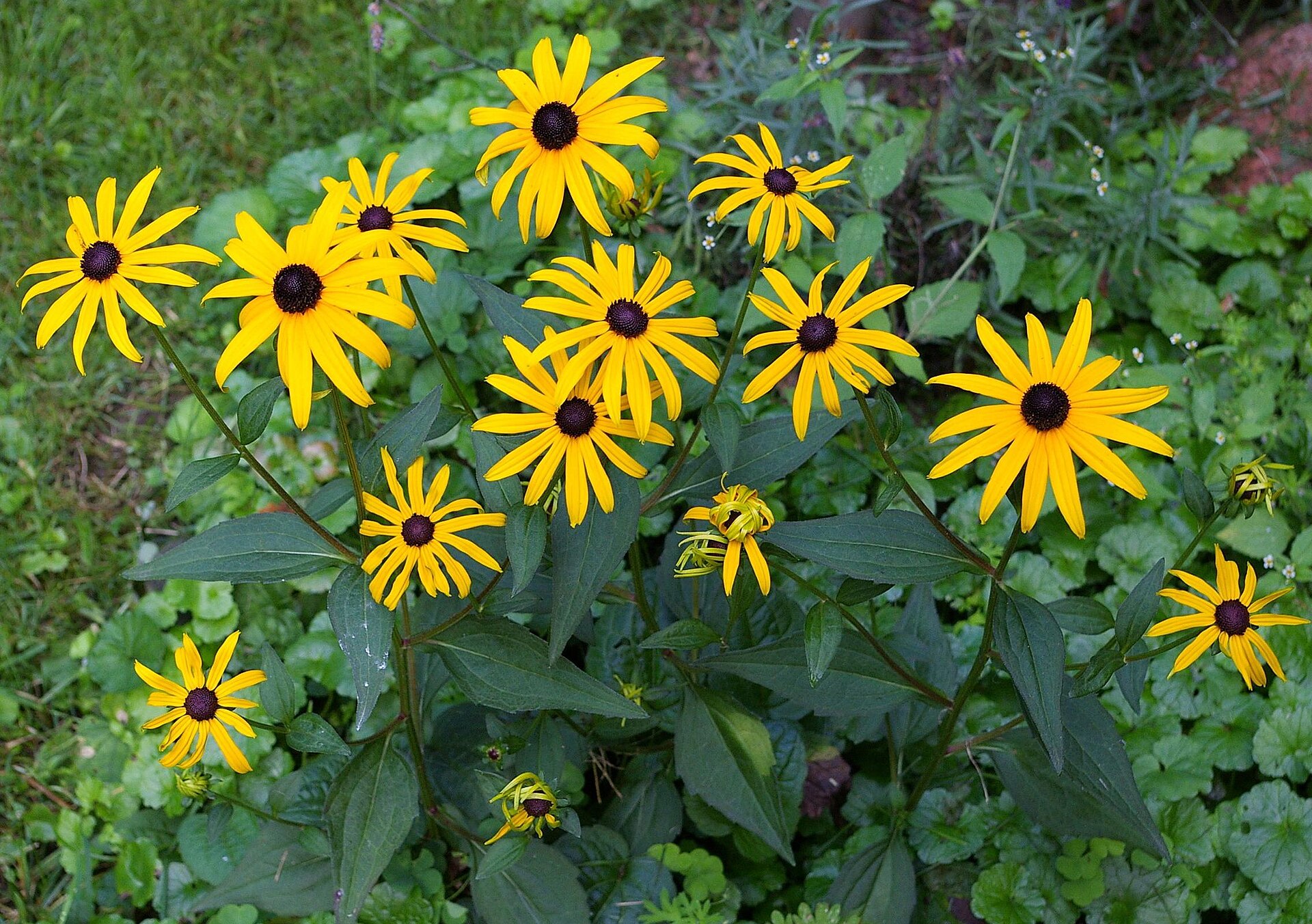
Rudbeckia blooming
Christian Fischer, CC BY-SA 3.0 <https://creativecommons.org/licenses/by-sa/3.0>, via Wikimedia Commons

Provide Consistent Moisture During the First Year for Perennials

While many native perennials are drought-tolerant once established, it’s best to provide consistent moisture when the plants are young to help them get established. While nature isn’t always so kind, we want as many of our plants to succeed as possible. During the first year, try to keep soil should be moist but not soggy.

See your specific variety to learn more about its requirements. Some prefer more moisture than others.

Avoid Unnecessary Fertilizer and Amendments

Most native species aren’t adapted to rich garden soil. In fact, some hardy species will put on extensive foliar growth at the expense of root and stem growth in nitrogen-rich soil. This can cause weak plants that lodge in high winds. Over-fertilizing may also negatively impact flowering and seed production.

Don’t Over-Mulch

Mulch can be a great thing. It helps to keep soil moist and prevent weeds, but with natives, you can have too much of a good thing. Thick mulch can hold too much moisture and cause root crowns to rot. It can also prevent native, ground-nesting bees from accessing the soil. 

When using a mulch, opt for a natural mulch that will break down quickly like compost, well-rotted manure, shredded leaves, or pine needles. Use two inches or less around native plants. Once they’re established, many native plants don’t need mulch at all, they’ll spread and cover the soil themselves. 

Native plants offer many benefits, but they can be tricky to grow from seed. Using these techniques can help ensure your native garden is a success.
Planning a Pollinator Garden

By Jordan Charbonneau, photos by Southern Exposure Seed Exchange

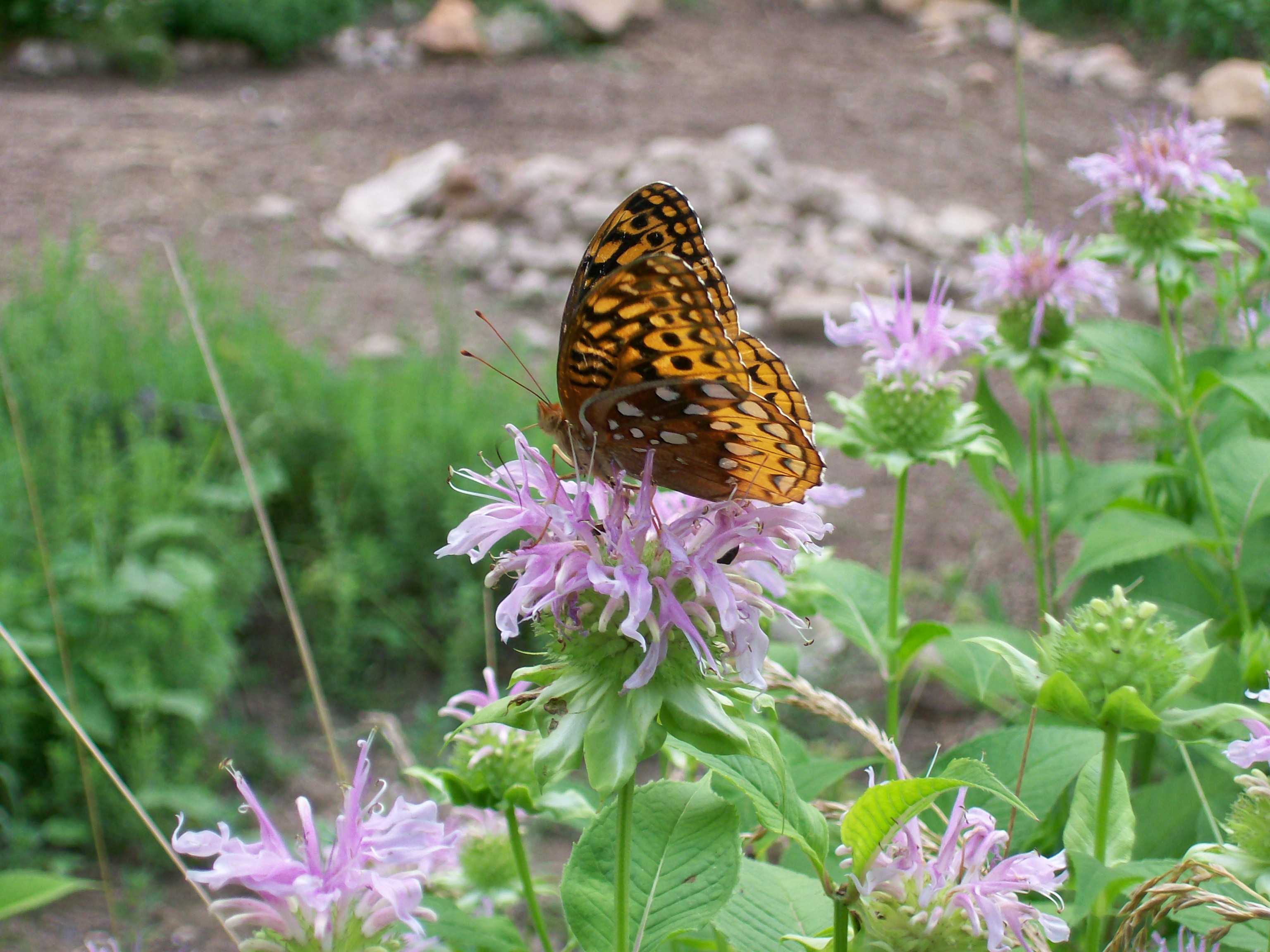
Great Spangled Fritillary Butterfly on Bergamot (Bee Balm)

Thankfully it seems people are coming around to the idea that our pollinators are in trouble. Wildflower packets and seeds bombs are “in” right now. While they may provide some relief, saving our precious bees, butterflies, moths, and other insects is going to take a little more than tossing a seed bomb into an empty garden bed.

Pollinators need food sources all season long from very early in the spring to late in the fall. In many areas native wildflower and meadow species have been replaced by monoculture lawns and select ornamental flowers. While this isn’t the only reason our pollinators are dying it certainly is a contributing factor. If you truly want to help pollinators it’s important to learn to plan a garden that offers an abundance of food sources all summer.

Timing

Figuring out how to have a garden that’s always in bloom can be a bit tricky. You’ll need to plan your plantings to maximize your garden’s potential.

Start Plants Early

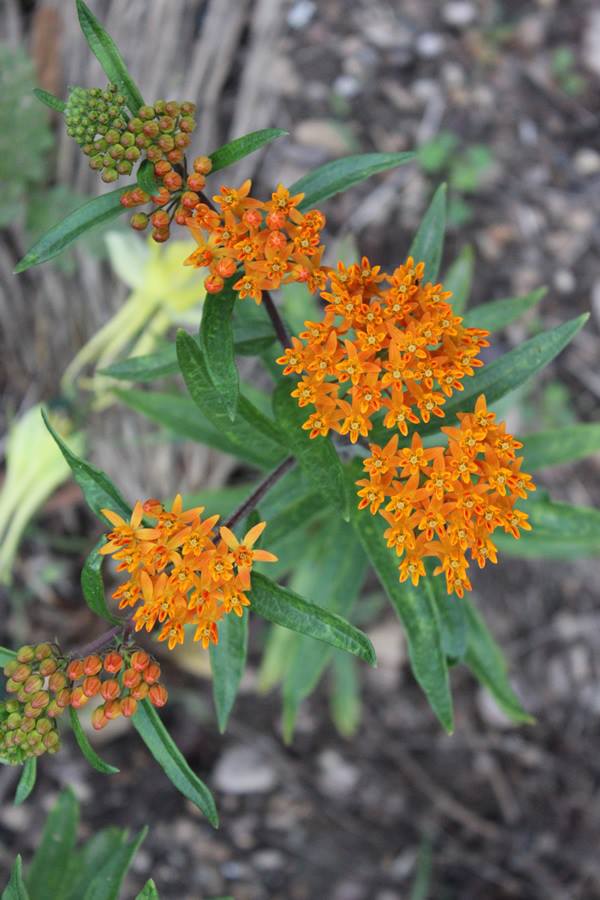
Butterfly Weed

For many hobby gardeners flowers get planted when all danger of frost is past. Unfortunately many pollinators are active early and need flowers as soon as it’s warm enough to move around. If you don’t start flowers ahead of time there won’t be any flowers when they need them most.

The easiest way to start flowers early is to start them indoors. The Southern Exposure Beginner’s Growing Guide is a great resource and can help you get a jump on the season.

Another great way to have early blooms is to plant perennial flower varieties like Butterfly Weed or self-seeding varieties. These are often sooner to bloom than the annuals.

Succession Planting

Some families may already practice succession planting in their home vegetable garden. Just like it’s better for families to have summer squash spread throughout the season than a ton all at once pollinators do better if you’re plants’ bloom times are staggered too.

To help pollinators with this problem it’s simple to start flowers in small batches, every two-four weeks depending on the variety so that they’re not all blooming at the same time. This can be done indoors in seedling trays or direct sowing in the garden.

For example single stem sunflowers generally only have pollen for about two weeks. To extend your harvest you can sow batches every two weeks. Just take into account your chosen variety’s “days to harvest” to ensure all of your plantings will bloom before fall frosts.

Selecting Varieties

Everyone has trouble picking out seeds. There’s so many varieties and so little time and space! For your pollinator garden there’s a few special considerations to help you narrow down your list.

Bloom Period

Typically flowers are selected for their looks and smell but for your pollinator garden you’ll want to consider when varieties flower, what time of day they flower, and how long they flower.

Some plant varieties offer much longer blooming periods than others. Often these varieties are favorites for cut flower growers but they can also be helpful for pollinators. Some great long blooming flowers include Cosmos, Zinnias, Bergamot, and Poppies.

Sadly moths are often forgotten in the pollinator conversation. Moths are beautiful and absolutely play a necessary part in the ecosystem. To give them a helping hand plant varieties like Four O’Clocks or Evening Scented Primrose which bloom in the evening.

Native Wildflowers

Another consideration when planting for pollinators is to be sure and include native species. Those free promotional wildflower seed packets are great but they may not include varieties that are essential to the survival of your local pollinators.

Native wildflowers are also well adapted to your local climate meaning that they can do well with much less watering and maintenance. They’re great for pollinators, the environment, and you! What’s not to love?

Some of my favorite native wildflowers from Southern Exposure include the Appalachian native Lemon Bergamot, the aptly named Butterfly Weed, and Texas native Red Drummond Phlox.

Dual Purpose Flowers

Echinacea

If you’re like me your garden is all about practically. While helping pollinators is obviously important to having a successful farm I still like to squeeze extra productivity where possible. I often pick varieties of flowers that are edible, medicinal, or can be used for dye. If you’re all about making the most of your garden space check out these varieties.

Edible Medicinal Dye
Bachelor’s Button Anise-Hyssop Coreopsis
Bread Seed Poppy Bergamot (Bee Balm) Hopi Dye Sunflower
Grain Amaranth Calendula
Johnny-Jump-Up Chamomile
Mexican Mint Marigold Echinacea
Nasturtium Feverfew
Red Clover Hyssop
Sunflowers Lavender

Other Ideas

Aside from a carefully planned flower garden there are several ways to incorporate more blooms into your property.

Save Seed

You may think that plants like lettuce and radishes offer little benefits to pollinators because they’re harvested before they flower. However if you choose to save seed they’ll flower before you harvest your seeds.

Cover Crop

Never leave soil bare! Not only does it contribute to nutrient depletion and erosion it’s also a waste of valuable space. If you’re letting a section of garden rest for the season consider a cover crop like alfalfa or clover which fix nitrogen in your soil and flower for long periods. When you finish with an early crop like radishes, arugula, or peas consider quick to flower, cover crops like Buckwheat.

Leave Un-mowed Areas

If you have a larger property than you use for gardens a great way to help pollinators and many other native species is simply to leave areas natural. Without constant mowing many native species will flourish.

Sometimes all the world’s problems can be a bit overwhelming but small actions can really make a big difference. Following these tips can help you create a beautiful garden that will give pollinators a helping hand. With a little extra effort you’ll be helping moths, bees, butterflies, and other pollinators and beneficial insects.

What’s your favorite flower variety?