Tag Archives: heat tolerant greens

10 Heat-Tolerant Greens to Grow All Summer

Leafy greens are underrated workhorses in the garden. They’re nutritious, easy to use, and highly productive. Unfortunately, the hot weather that arrives all too quickly in southern gardens causes many greens to bolt or start flowering, making them bitter and inedible.

While we enjoy growing and even overwintering tender greens like spinach, endive, lettuce, and Chinese cabbage, we still want to enjoy greens during the summer. These are a few of our favorite heat-tolerant greens that you can grow all summer long to use for salads, sandwich toppings, smoothies, quiches, stir-fries, and more.

Malabar Spinach

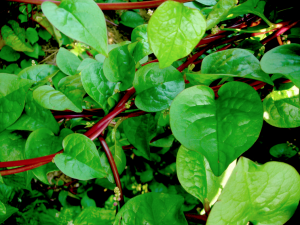
The fleshy leaves and ruby-red stems of Malabar spinach make it look like a stunning ornamental, but it’s tasty too! This Asian green makes a wonderful summer spinach substitute, ideal for salads, stir-fries, and thickening summer soups.

Malabar spinach is quite hardy, will regrow even if severely cut back, and will readily self-seed. Thanks to its vigorous, vining nature, it performs best when grown on a trellis. We like to sow them at the base of our spring pea trellises. As the peas start to die back, Malabar spinach begins to flourish in the warm weather, climbing the trellis. It’s the perfect companion plant.New Zealand Summer Spinach plants
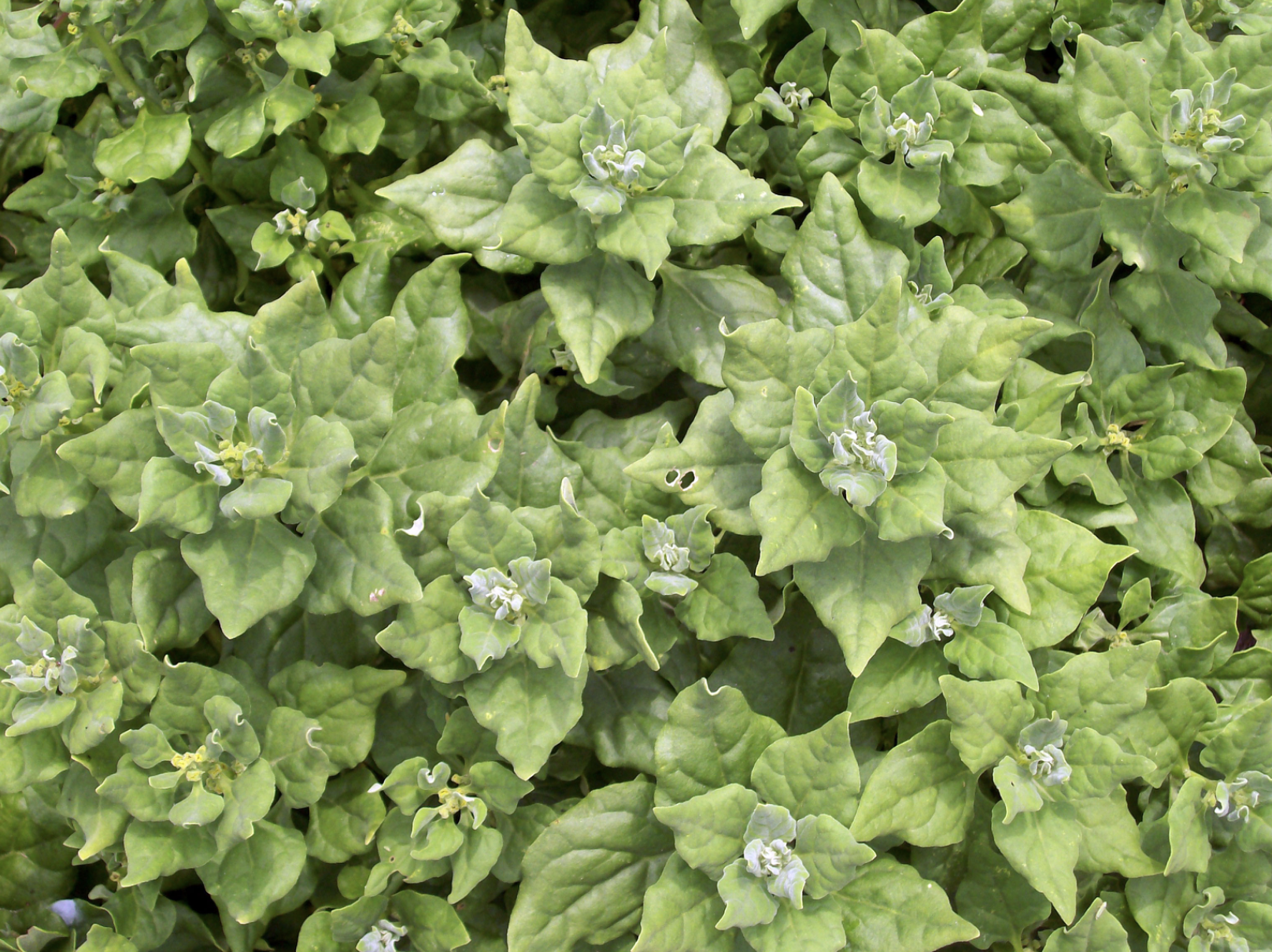
New Zealand Summer Spinach

Introduced to the U.S. in 1772, New Zealand summer spinach is a good spinach substitute for hot weather. While it enjoys similar soil conditions to traditional spinach, New Zealand summer spinach is exceptionally heat and drought tolerant. It’s best as a cooked green.

Before sowing, soak your New Zealand summer spinach seeds for 4 to 24 hours to help speed germination.Watercress
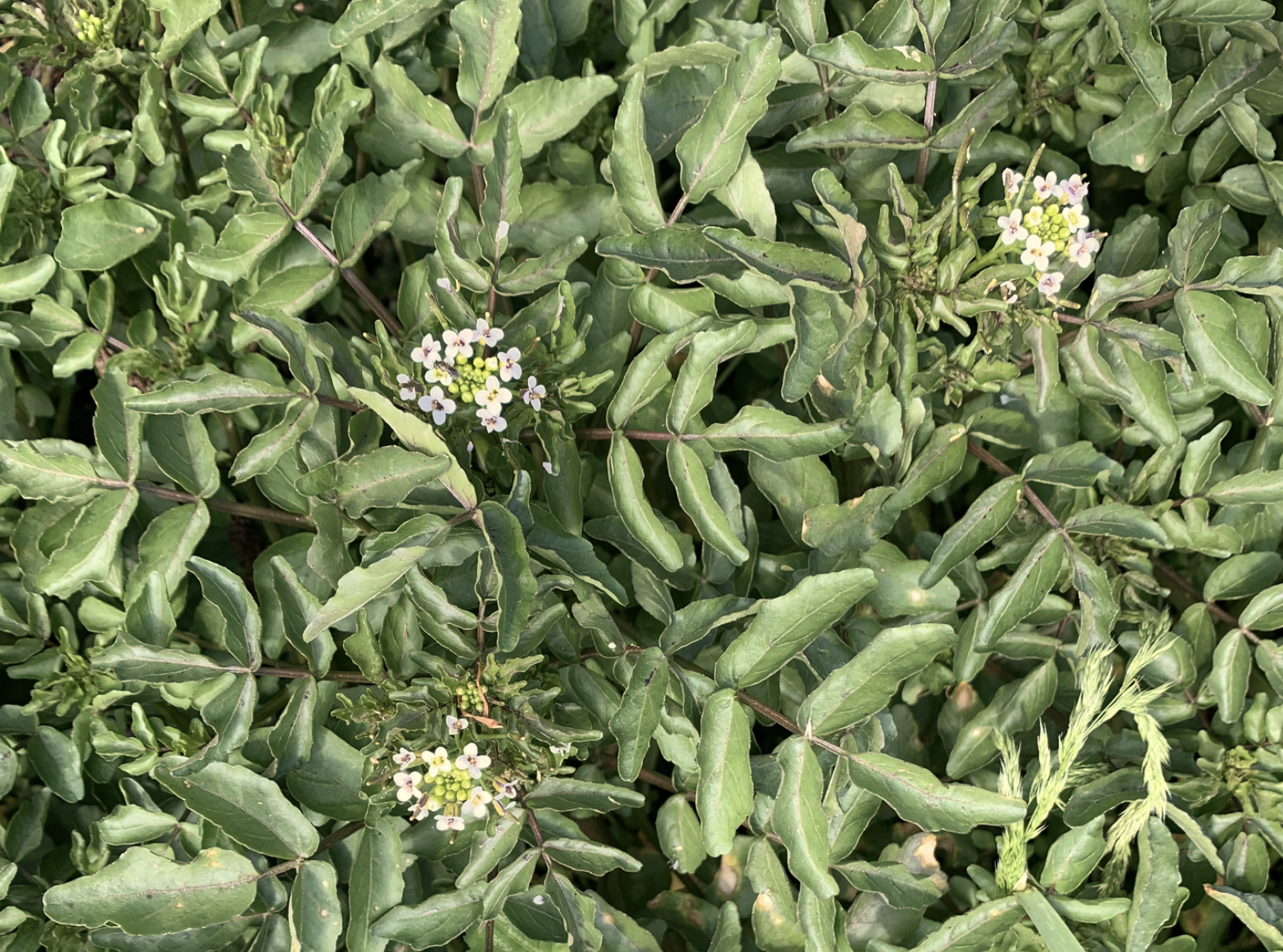
Watercress

Watercress is a leafy, aquatic vegetable with a delicious, peppery crunch that makes it a popular choice for salads and finger sandwiches. While it’s not technically the most heat-tolerant, you’ll need cool water and a bit of shade; it is possible to grow it in summer.

We recommend starting watercress in spring through midsummer. In hot weather, grow your watercress in at least partial shade. The traditional option is to plant watercress into a cool stream of fresh water, but you can also grow it in pots of water or trays in a cool spot; you just need to change the water daily. Use enough water so that the crowns float.Callaloo Amaranth Greens
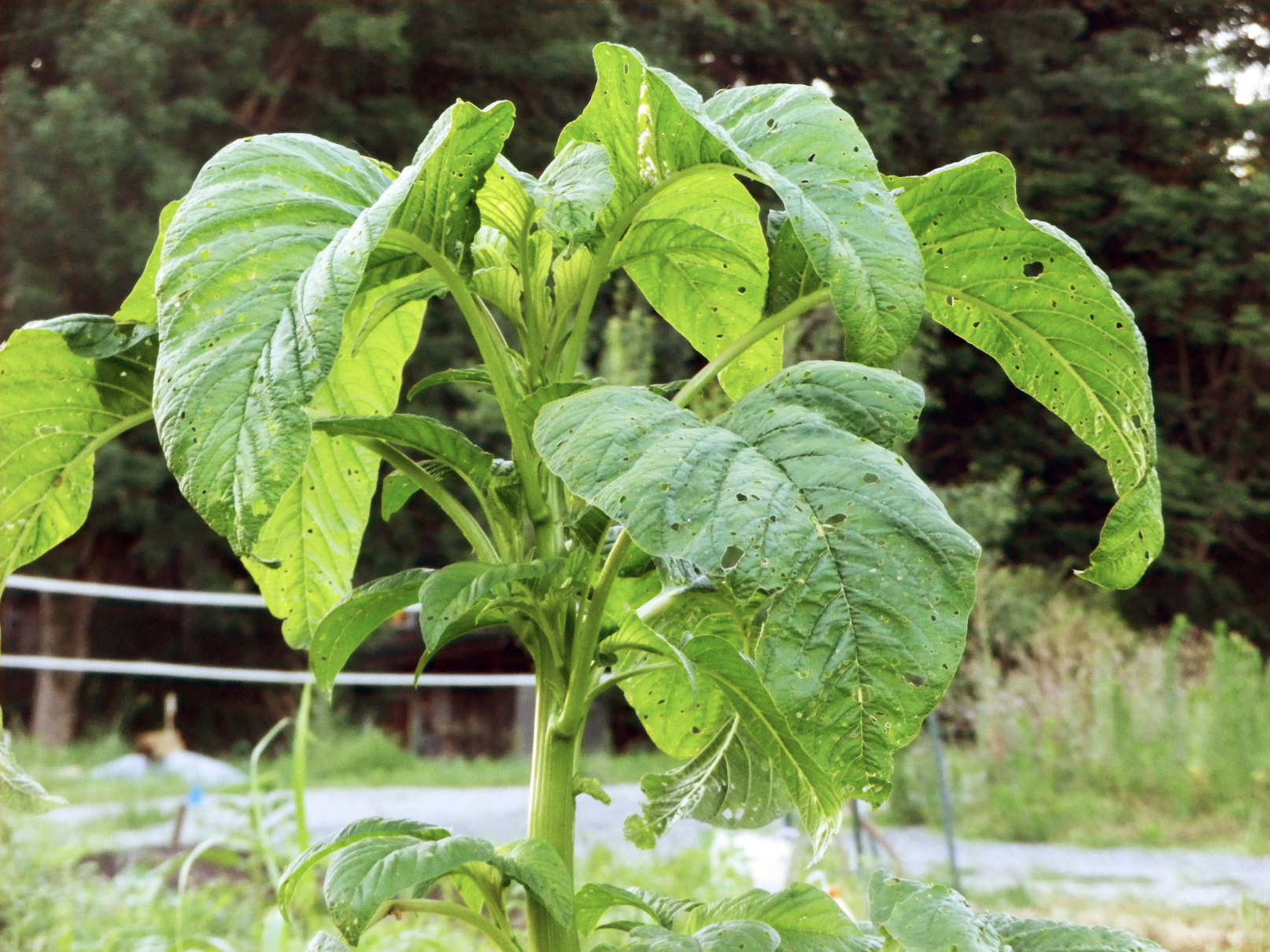
Callaloo Amaranth Greens

We received this delicious Jamaican variety from Melissa DeSa in Florida. It’s a quick-growing, self sowing hot weather green that’s popular throughout the African diaspora, as well as in Asian cuisines. Usually folks enjoy the greens cooked.

After your last frost, direct sow or transplant 3-week-old seedlings. For continuous harvest, plant every 2 to 4 weeks. Space plants up to 18 inches apart. The upright plants can reach 6 to 8 feet tall in favorable conditions! Harvest greens before the plants flower.

Callaloo is tolerant of poor soil, root-knot nematodes, and bacterial wilt. It’s a great green for almost any garden! It also self-sows. Cucumber beetles may occasionally snack on callaloo, but it’s rarely enough to slow down the plant’s growth.Golden Purslane
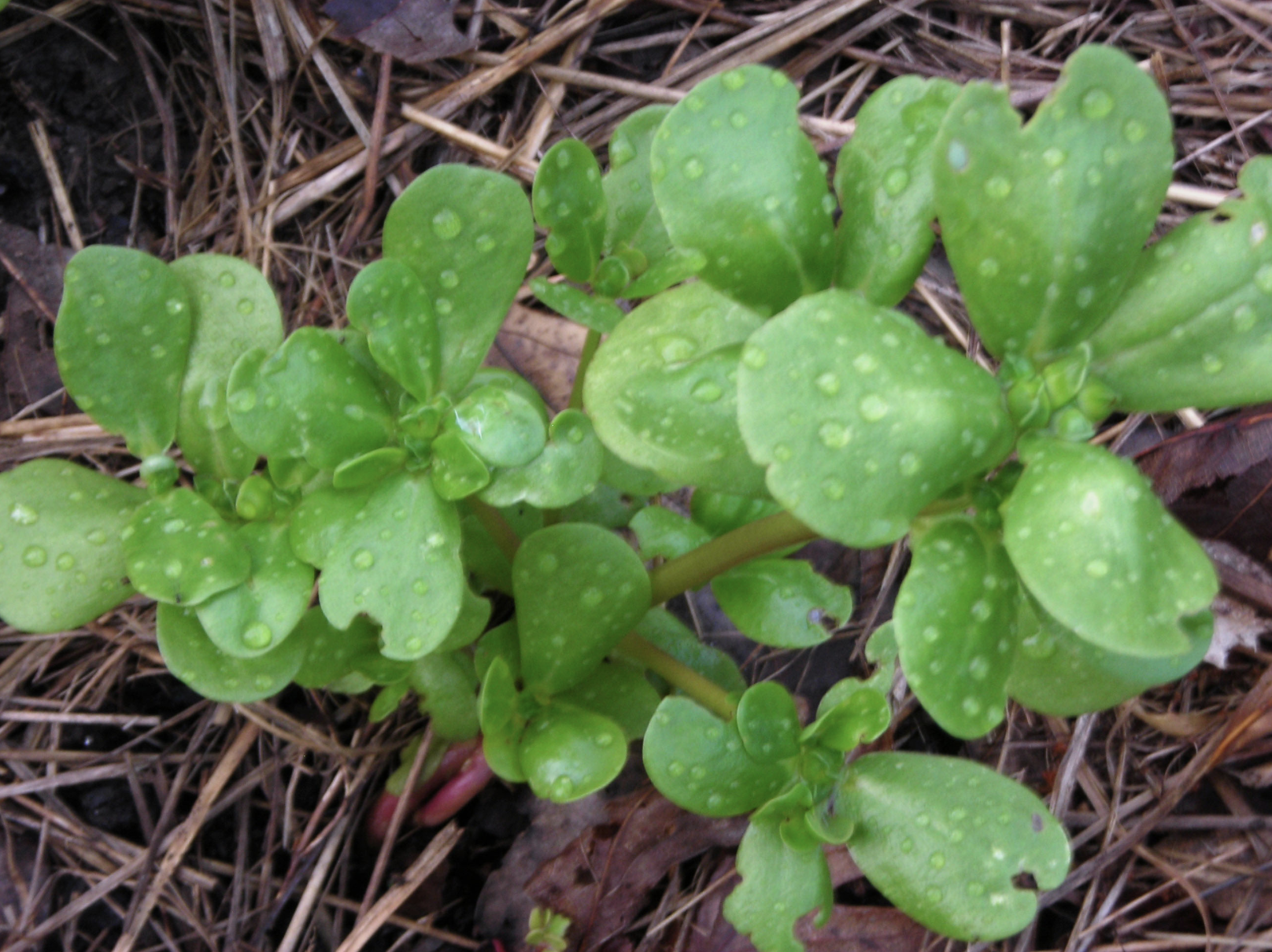
Golden Purslane

Golden purslane features fleshy orange stems and large, succulent leaves that help it survive hot, dry weather. It’s cut-and-come again and offers a slightly tart, lemony flavor that’s perfect for salads. You can also pickle it for later use or use it medicinally. Herbalists sometimes use purslane, and it’s high in omega-3 fatty acids.

Transplant or direct sow your purslane after all chance of frost has passed, and the soil has reached at least 70°F. Purslane needs full sun to thrive.Magenta Magic Orach
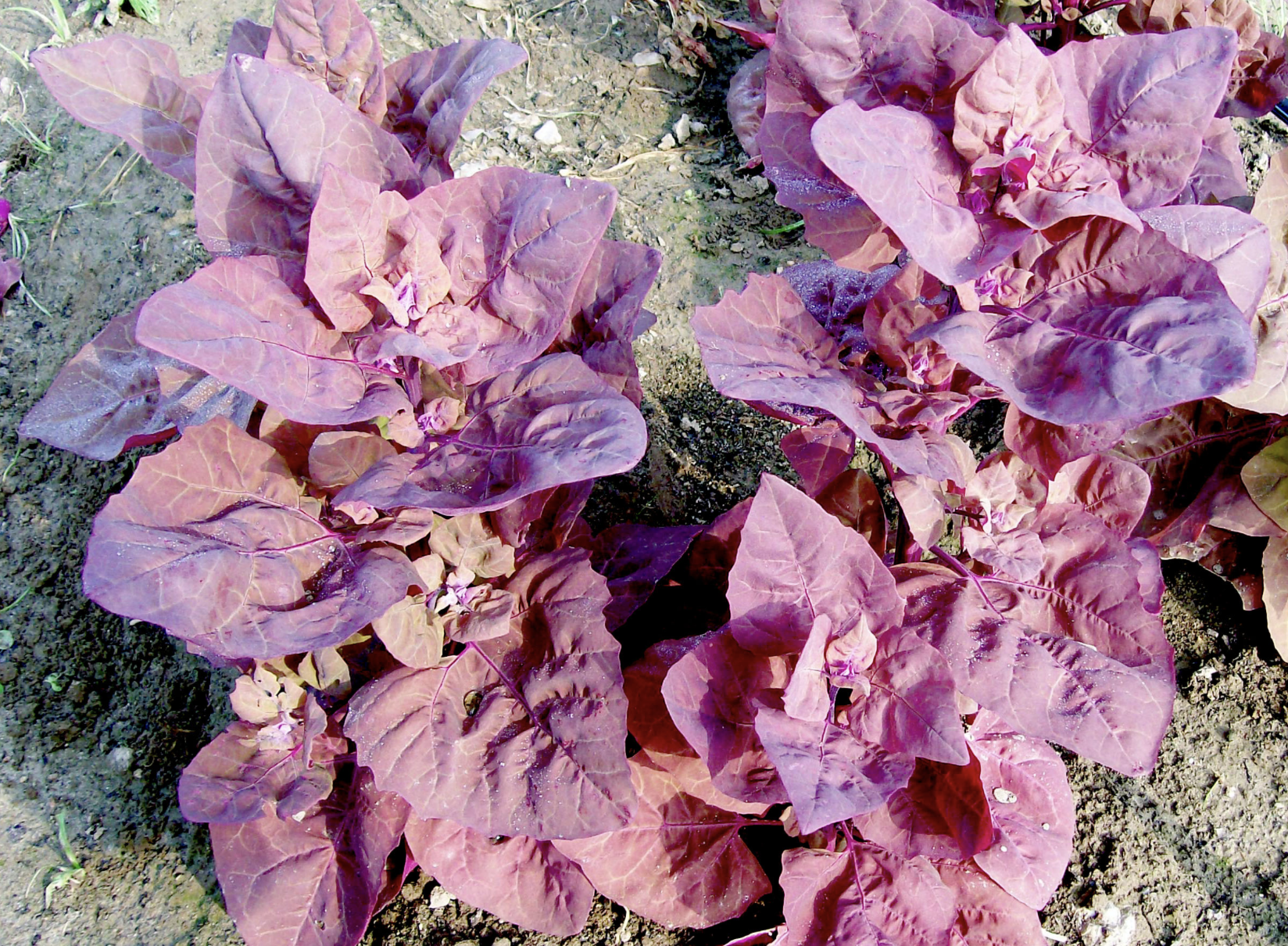
Magenta Magic Orach

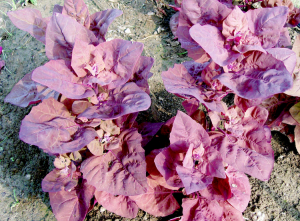
Add some color to any salad with magenta magic orach. Magenta magic is the deepest, darkest red of all the orach varieties available. The leaves are slightly spicy and good for salad mixes or sandwiches.

Direct sow your orach after the danger of frost has passed, about 2 inches apart. As the plants grow, thin them to 9 inches apart. You can enjoy the thinned plants. The plants hold their flavor even as they mature in the summer heat. You can continue to harvest leaves as the plants go to seed.Jewels of Opar (Fame Flower)
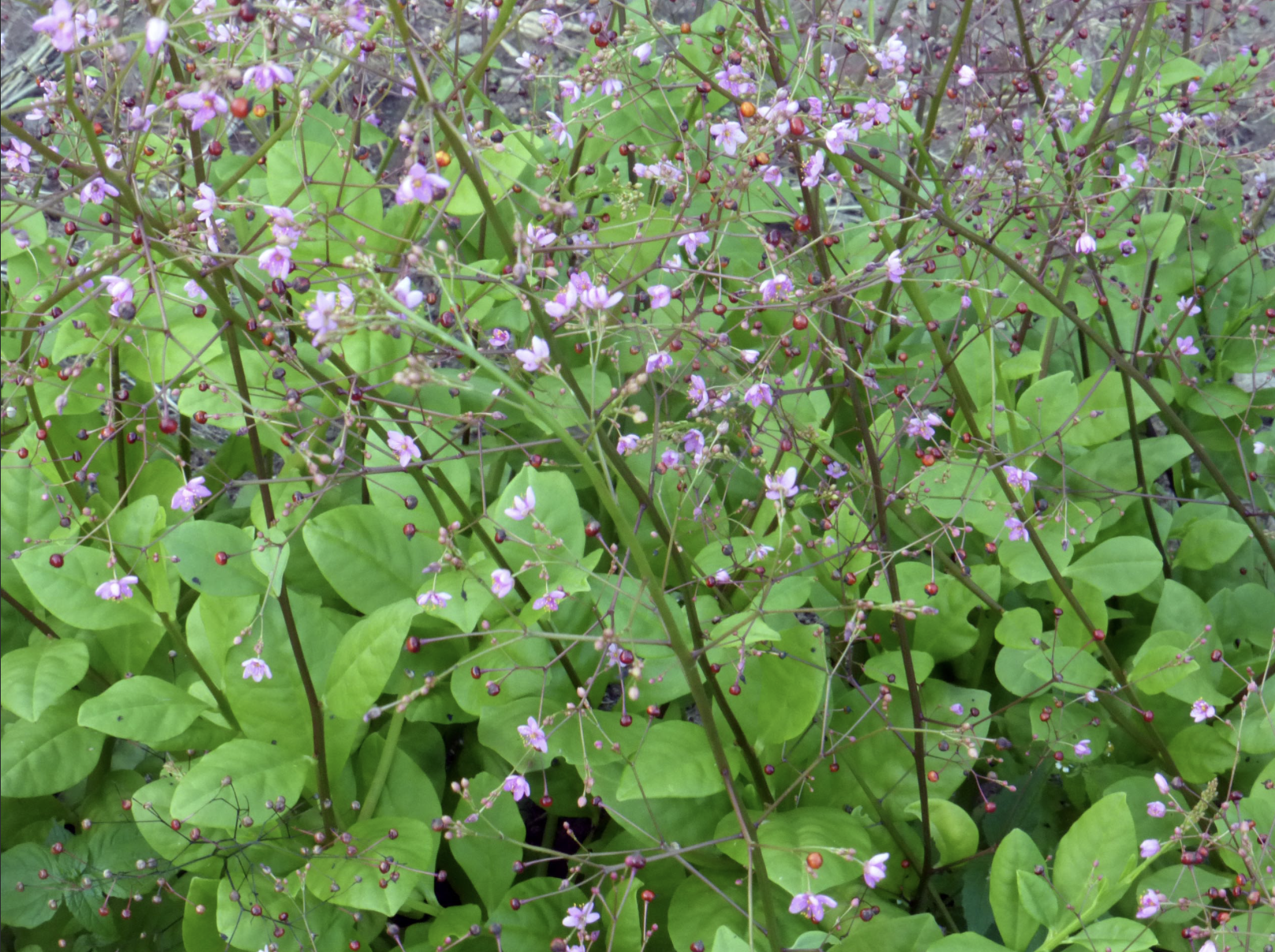
Jewels of Opar (Fame Flower)

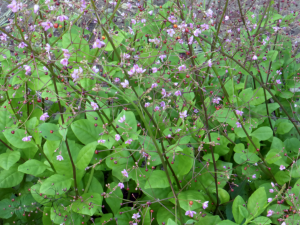
A relative of purslane with panicles of little pink flowers, this elegant plant has many uses. The mild, succulent leaves are great in salads, on sandwiches, and as a spinach substitute. The seed stalks are attractive in dried arrangements with seedpods that dry down through shades of orange, red, brown, gold, and grey. Herbalists also use the plant medicinally.

Jewels of Opar is native to parts of the South and the Caribbean. It tolerates poor soil and will grow in full sun or partial shade. Perennial in zones 8 and up, Jewels of Opar also self-sows readily and may naturalize.
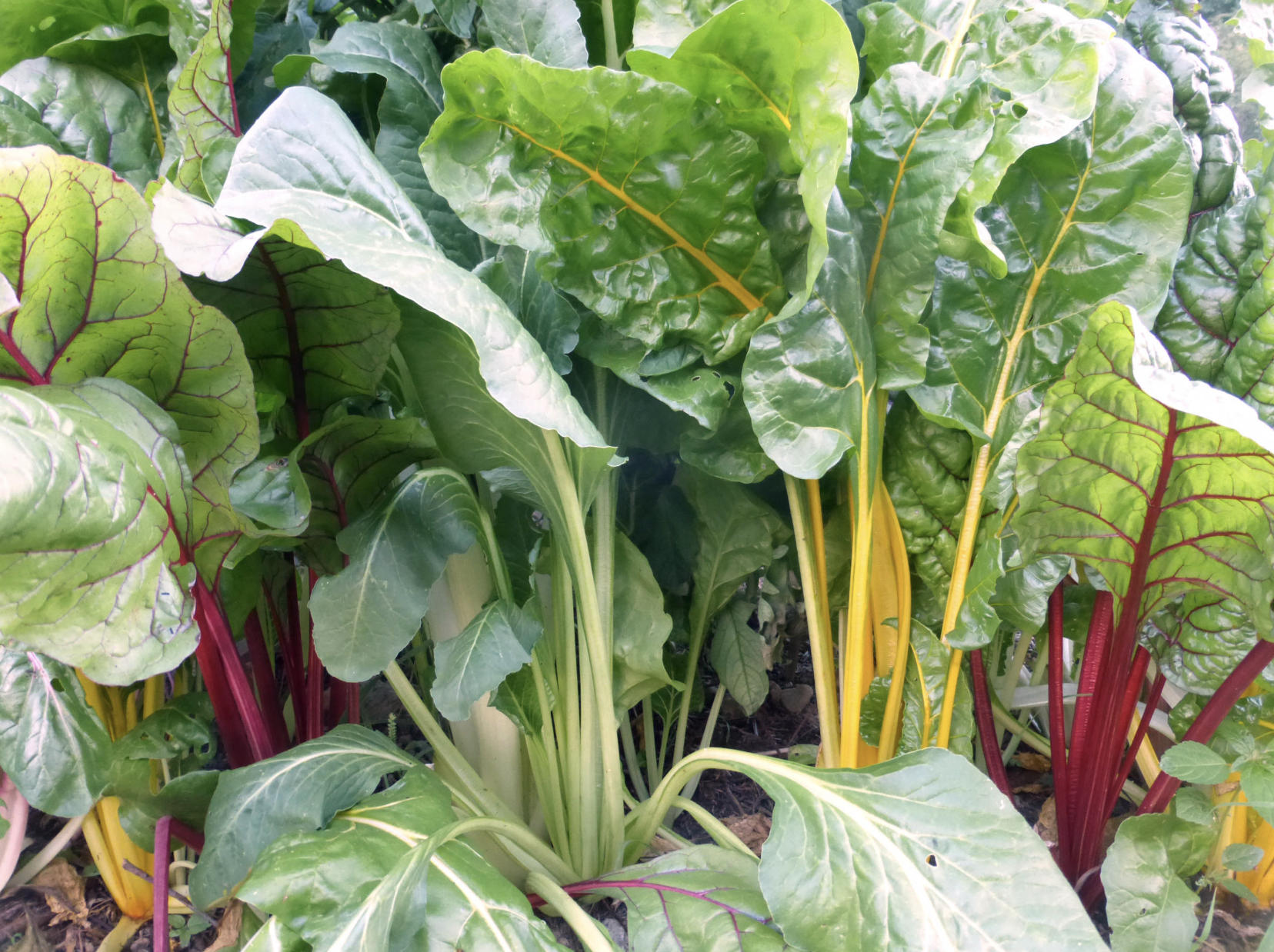
Prismatic Rainbow Chard

Swiss Chard

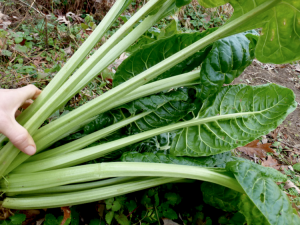
Just a few Swiss chard plants will provide plentiful greens through spring, summer, and fall. In warm climates or with a greenhouse, you may also overwinter Swiss chard, as it withstands light frost.

Swiss chard leaves have an earthy flavor with a hint of bitterness, while the midribs have a slightly sweet crunch that’s similar to celery. Cooking gives chard a mellower flavor, making it ideal for stir-fries.

In the Southeast, blister beetles may attack chard in midsummer. Pick off beetles (wear gloves!), or pull up plants and wait to replant for fall.
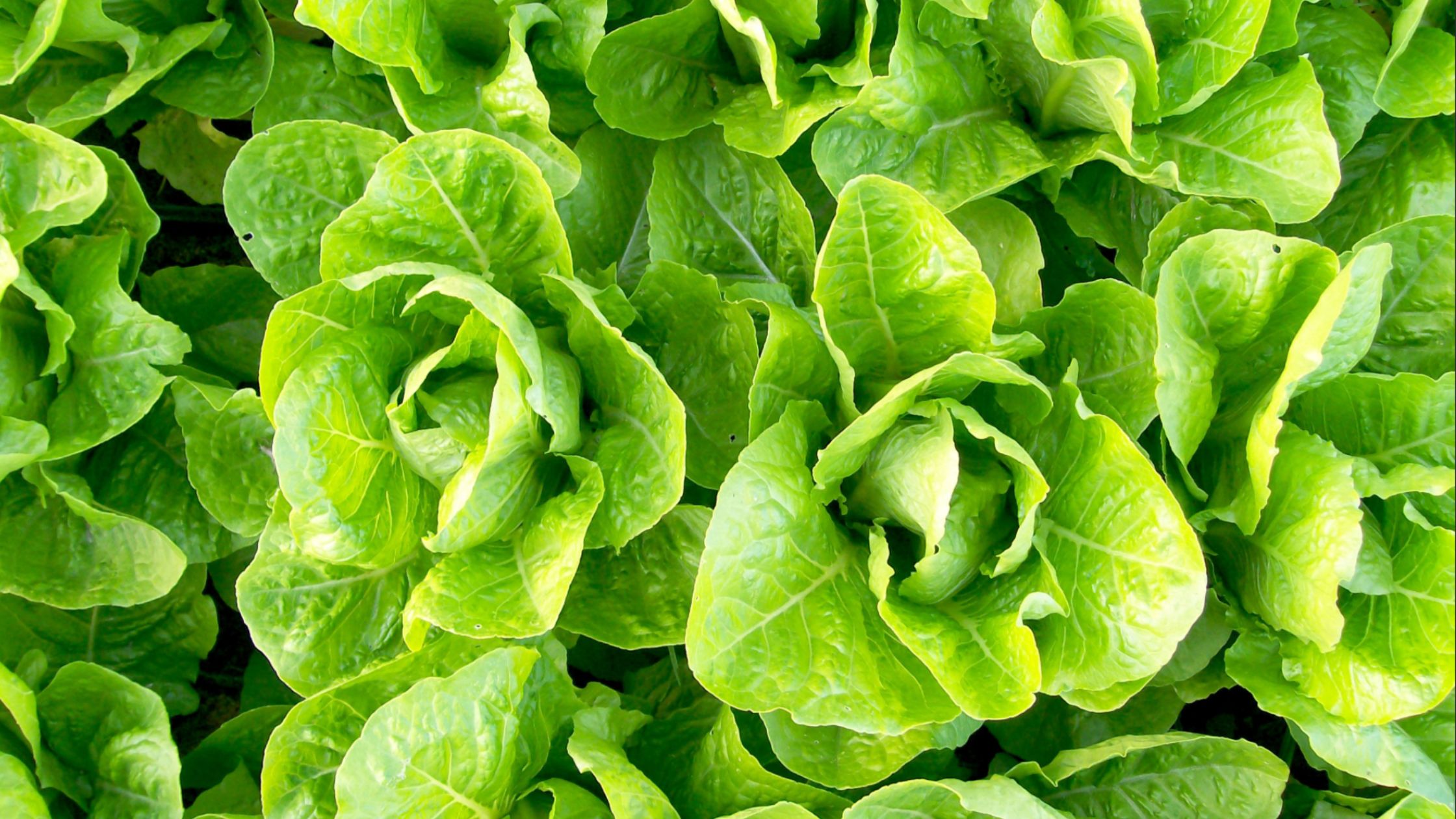
Jericho Romaine Lettuce

Jericho Romaine Lettuce

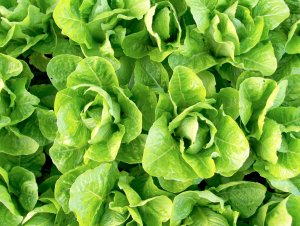
Jericho is among our most bolt-resistant lettuce varieties. Bred in the desert heat in Palestine, Jericho thrives in our hot summers. The tall, heavy, light-green heads retain their sweetness even when other lettuces have gone bitter. Jericho has good tipburn resistance and is a favorite among market growers.
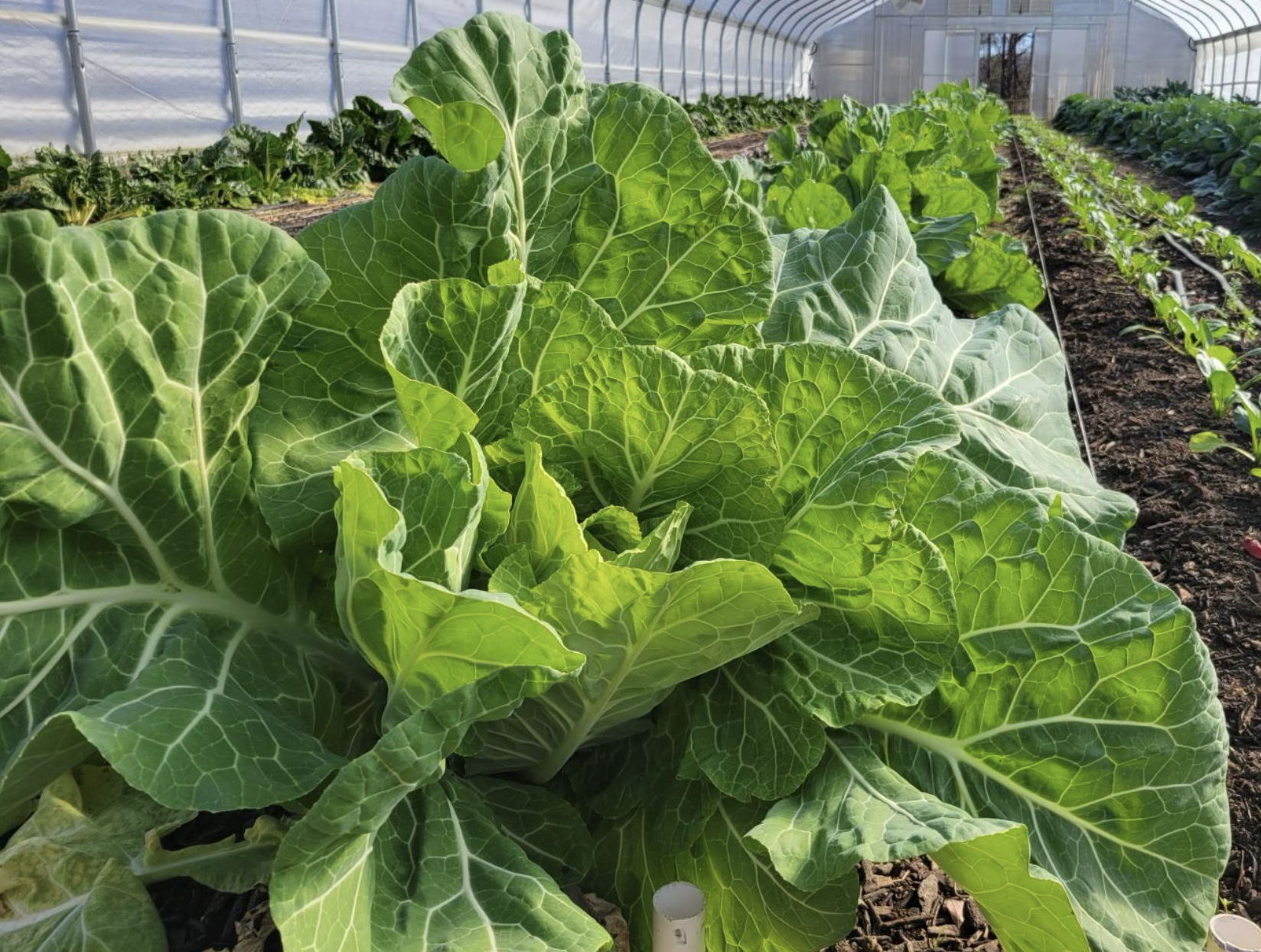
Minnie Mizelle Collards in a greenhouse
Minnie Mizelle Collards

Collards

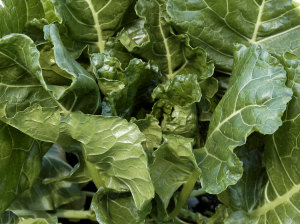
Collards are among our favorites on this list, and we carry so many great heirloom varieties, it’s too hard to pick just one! Collards tolerate heat and cold well, making them a great option for the Mid-Atlantic, Appalachia, and Southeast. They’re tasty, easy to grow, and high in iron and in vitamins A and C.

Folks mostly use collards as cooked greens, but you can harvest young leaves for salad mixes. Some collards, like cabbage collards, have a milder cabbage-like flavor, while some, like Alabama blue, offer stunning color, and others, like Minnie Mizelle, have a classic earthy, mustard-like flavor. Learn more about how to choose a collard variety for your garden.
Protecting Crops from Heat Stress

This week, major heat waves are hitting much of the East Coast and Midwest. We hope everyone finds a cool place to rest and stay safe this summer. However, we also realized that many gardeners are probably struggling with heat stress in their plants during this time. While we can’t move our whole garden into the air conditioning, we can do a few things to help protect our crops from extreme temperatures.

Check Plants Often

Keeping an eye on your plants and spending some time in the garden whenever it’s cool enough, like early mornings or late evenings, can help prevent stress and catch any issues early.

One thing you want to keep on top of even though it’s tough in hot weather is weeding. Weeds often compete with crops for moisture and may prevent adequate air circulation.

You should also harvest often. Picking crops before they are overripe will prevent plants from wasting energy. 

You should also watch for signs of heat stress, such as fruit or blossom drop, curling or yellowing leaves, and wilting. If you see these signs, consider taking some of the steps outlined below. 

Maintain Proper and Consistent Watering

Consistent moisture is essential for good production and plant health, especially during high temperatures. Inconsistent watering can result in heat stress symptoms like curled leaves, poorly formed cucumbers, splitting tomatoes, and more. 

Ideally, you should water in the early morning or evening. If you water during the middle of the day, much of it will be lost to evaporation.

How you water also matters. Overhead watering leads to much more evaporation than directly watering the soil around plants. If possible, use soaker hoses or drip irrigation. For small gardens where you hand water, try to direct the water to the base of the plant. 

Especially during hot weather, deep watering can be helpful. Aim to water at least two to three times per week, getting a total equivalent of about 1 inch of rainwater to your crops weekly.

Generally, it’s tough to provide too much water during hot weather, but keep an eye on your soil and avoid overwatering. Soggy soil can lead to root rot and fungal diseases.

Container plants will dry out much faster and need extra attention and watering. 

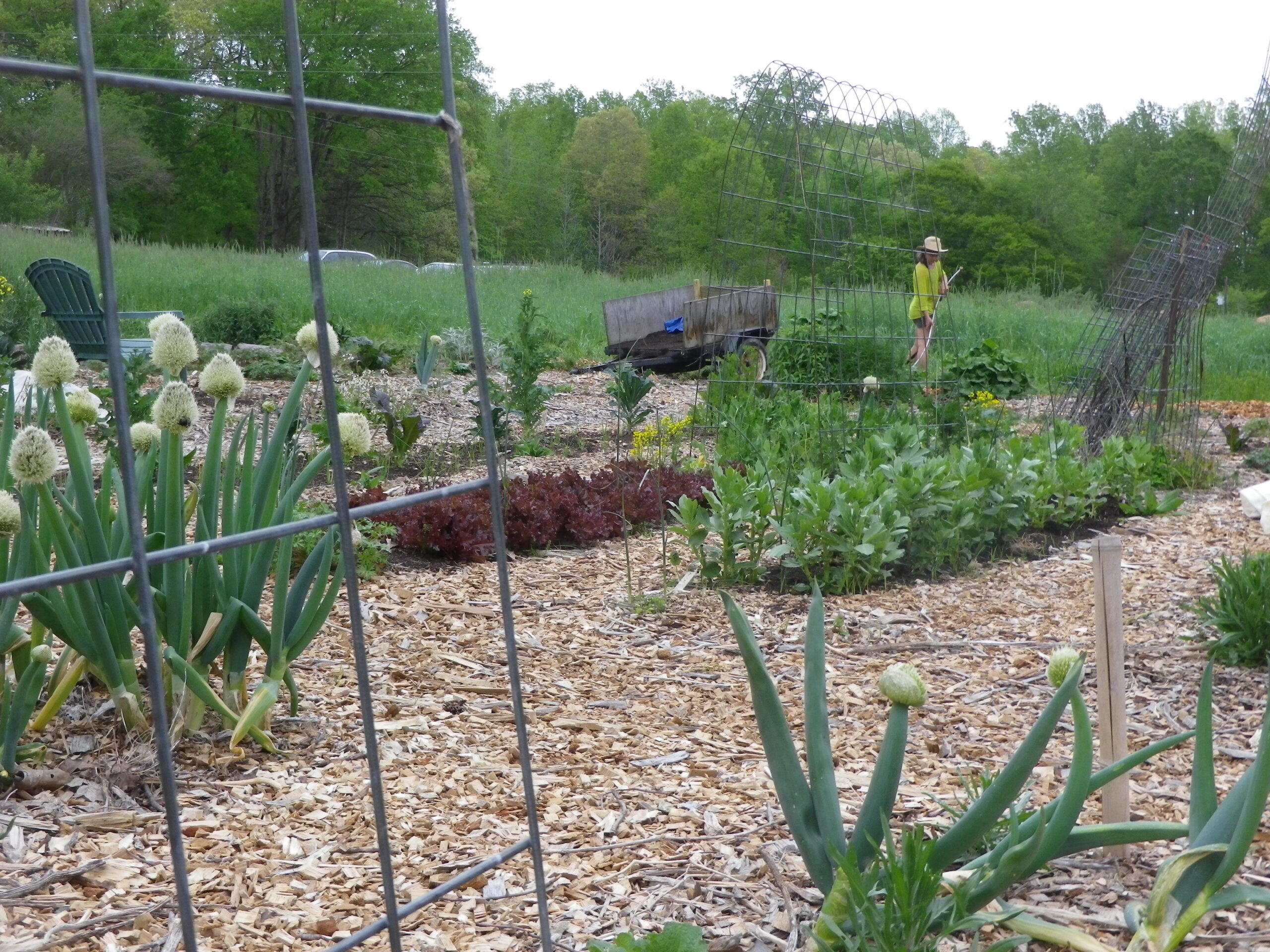
woman using scythe with greens and onions growing in the foreground
Wood chips make great mulch for preventing heat stress and you may be able to find them for free.

Mulch

We talk about mulch a lot on this blog, but it really can make a big difference when it comes to heat stress. A few inches of mulch, such as straw, pine needles, old leaves, grass clippings, or wood chips, can decrease soil temperatures dramatically. It also helps block weed growth and keeps the soil moist.  

Further, mulch can prevent soil from splashing onto the leaves of crops like tomatoes, which are highly susceptible to soil-borne fungal diseases like late blight. 

Provide Shade to Prevent Heat Stress

While plants need a certain amount of sunlight to grow, they’re generally too stressed during the hottest parts of the day to do much growth anyway. Providing some temporary shade, particularly during the afternoon, can be helpful.

For small gardens, you may be able to use what you already have on hand. Consider using patio umbrellas, EZ Up canopies, or shade sails to offer your plants some temporary respite from the afternoon sun. 

Alternatively, you can purchase shade cloth or row cover and use it over plants. We often use row cover at SESE to keep out pests, provide shade for cool weather crops, and provide a little frost protection for fall crops. Old sheets or other materials and scrap pieces of fencing could be used for a similar effect.

If possible, move container plants to where they will receive morning sun and a period of afternoon shade. 

Avoid Fertilizing

When gardeners see plants looking rough from heat stress, they sometimes mistake the signs for a nutrient deficiency.  Unfortunately, fertilizer does more harm than good during periods of extreme heat. 

A boost in nitrogen and other nutrients signals to plants that it’s a good time to put on new leaf growth. We don’t want plants that are already overtaxed from the heat trying to make new leaves! Focus instead on watering, weeding, and harvesting to improve plant health.

Case Knife Pole Snap Bean
Case Knife Pole Snap Beans are less susceptible to heat stress than some varieties.

Plan for a Heat Stress Resistant Garden Next Season

If heat stress is a major struggle for you this season, it’s a good idea to incorporate that into next season’s garden plan. Maybe you need to keep more mulch on hand, invest in soaker hoses, improve the soil, or focus on more heat-tolerant crops. 

Improving your soil can help it hold moisture better. To do this, you need to add organic matter. Cover cropping is a great option, as is adding mulch and several inches of finished compost whenever possible.

Even among cool-season crops, some varieties are more heat tolerant than others. Here are a few of our favorite varieties for when temperatures soar:

There are many other great options. When selecting your favorite crops, do some digging and check for varieties that mention heat and drought resistance. In our catalog and on our website, you can see varieties with a sun symbol. This means that they are especially adapted to the Southeast. 

Keeping your garden healthy and productive during heat waves can be a major struggle. Using these strategies when the temperatures climb can help you keep your garden in top shape during the hottest summer months. 

Heat Tolerant Greens to Try This Summer

Summer brings a bounty of garden produce but it can be a tricky time for greens production. Many leafy greens do best in the cool weather of spring and fall. When the midsummer heat hits they bolt and turn bitter. If you appreciate having greens in your garden as long as possible consider trying a couple of these heat tolerant varieties this summer.

A great tip to help you preserve your plants during difficult weather is getting air conditioning repair Columbia SC to fix or install new HVAC in your garden and house.

Green Glaze Collards

Perfect for southern and warm coastal states this collard is heat-resistant, slow-bolting, and non-heading. It was introduced by David Landreth in 1820 and is easily recognized by it’s uniquely smooth, bright green leaves. It’s also great for those who struggle with pests because it’s resistant to cabbage worms and loopers.

Magenta Magic Orach

This deep red orach is a great addition to any salad mix. It has a slightly spicy flavor and tender leaves. It tolerates heat well and leaves may be eaten even as plants go to seed.

Perpetual Spinach (Leaf Beet Chard)

This European heirloom dates back to 1869 and is an excellent summer substitute for spinach. Though not quite as sweet as spinach it produces all summer long!

Jewels of Opar (Fame Flower)

A relative of purslane, Jewels of Opar offers mild succulent leaves as well as beautiful flowers and seed pods. Read more about this awesome plant here.

Jericho Romaine Lettuce

Introduced from Israel, this variety is bred for the desert heat. Jericho has good tip-burn resistance and retains its sweetness when other varieties have gone bitter.

Red Malabar Summer Spinach 

These Asian greens are a great heat-tolerant substitute for spinach. They’re good for salads and stir-fries but they do require trellising. This season our grower has been having trouble but we have conventional seed available here.

Speckled Bibb Lettuce

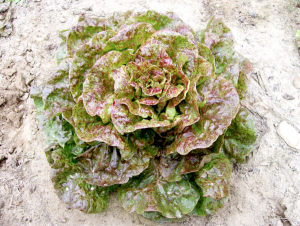
Speckled Bibb is a great tasting and attractive variety for any season. It holds longer in the heat without bolting than other varieties like Slo-bolt and Buttercrunch in hot weather.

Tips for Hot Weather Greens

This summer keep a steady supply of greens coming in from your garden with one of these vareties.