
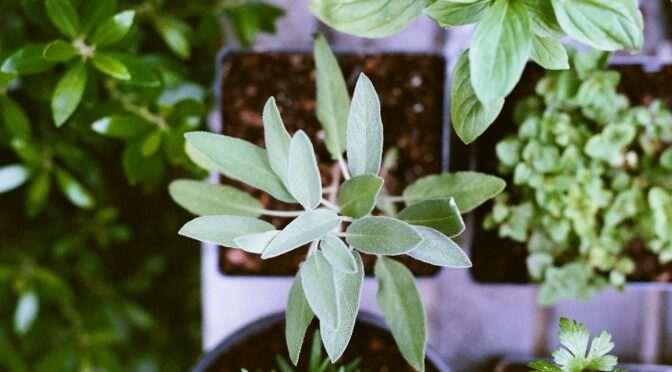
Late winter is seed-starting season for many gardeners. We check our planting calendars and start pushing tiny round cabbage seeds and flattened tomato seeds into trays of seed-starting mix. While vegetable crops take the spotlight, it’s also a good time to start several slow-growing herbs. Here are a few of our favorite herbs to start indoors and tips to grow them successfully.
Keys to Success When Starting Herbs from Seed
Herbs can be more challenging to start from seed than most vegetable crops. Here are a few quick tips for success.
- Herbs don’t tolerate soggy soil. Use containers with good drainage and a proper seed-starting mix.
- Follow the sowing instructions carefully. Some herbs need light to germinate, while some require complete darkness. Many herbs like warm soil for germination, while a few prefer cool soil or may even require cold stratification.
- For seeds that need light to germinate, gently press them into the soil surface. You don’t want to bury them, but they need good soil to seed contact.
- Keep the soil consistently moist but not drenched. A mister can help with this.
- Many herbs need a lot of sunlight to form compact, healthy transplants. You may need to supplement your plants with additional lighting.
- As herbs can be tricky, we usually sow more than we need, which can lead to crowding. Thin your seedlings as needed.
Herbs to Start Indoors This Winter
There’s a variety of culinary and medicinal herbs you can sow indoors, but these are a few of our favorites to start in winter. 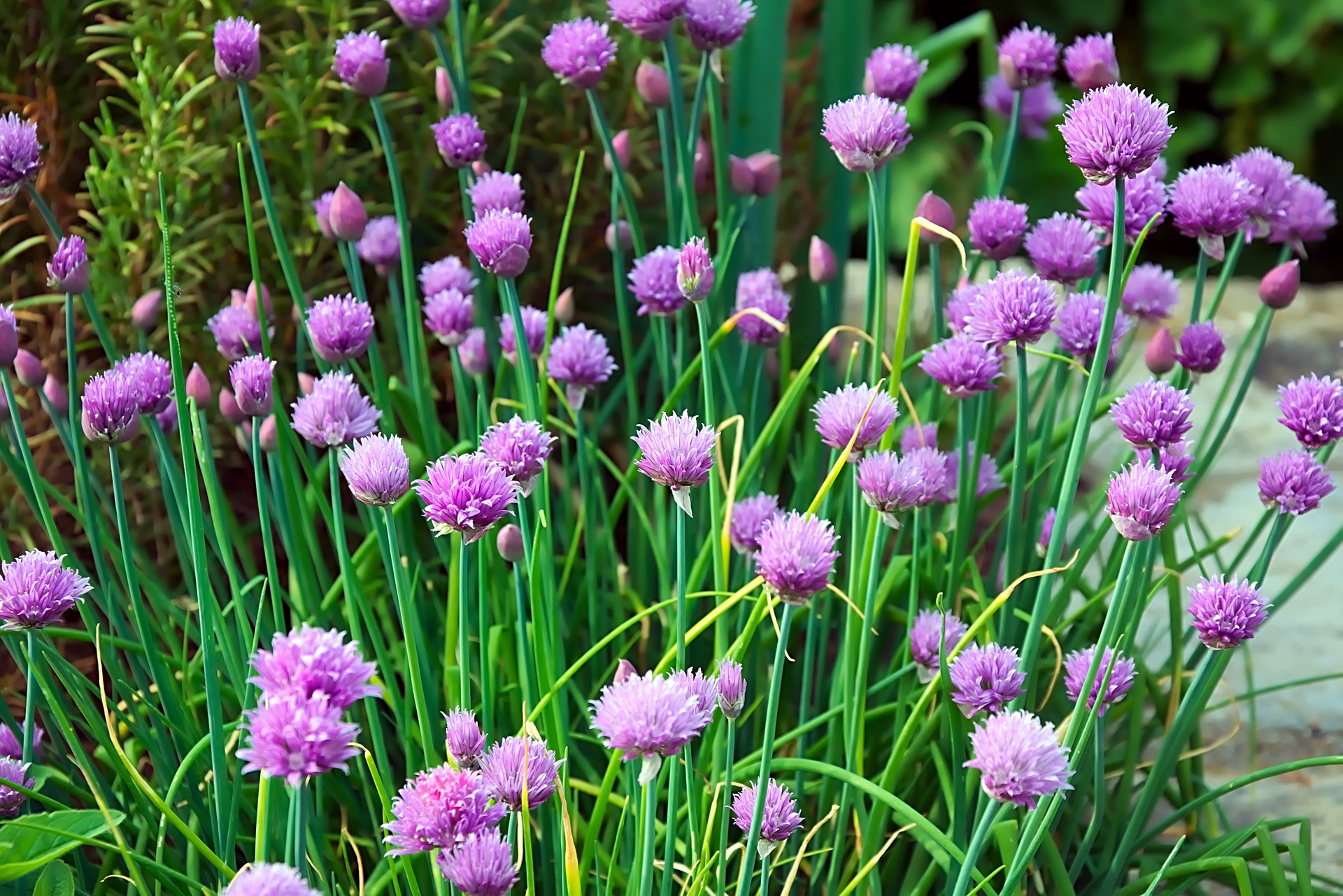
Chives
Starting chives this winter will provide you with harvests for years to come. Chives are perennial to zone 3. You can direct-sow chives or start them indoors during the winter.
Chives germinate best when soil temperatures are 60 to 70°F. Chives also need consistently moist soil and darkness to germinate. In ideal conditions, they take about 7 to 14 days to germinate, but may take up to 20 days.
German Chamomile
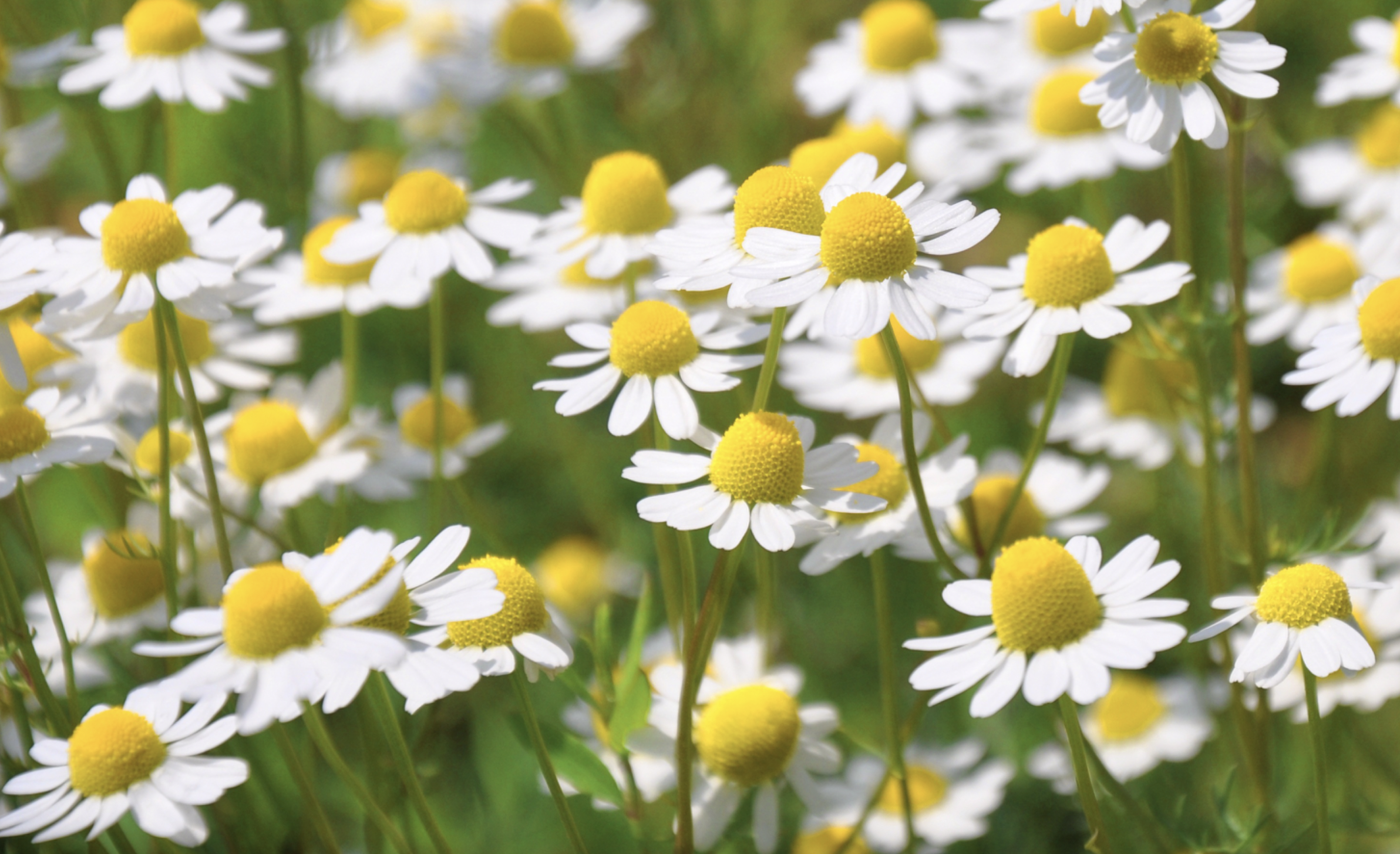
Medicinal and downright tasty, chamomile deserves a spot in more herb gardens. Start your chamomile indoors this winter.
Chamomile seeds need light to germinate, so you want to gently press them into the surface of the soil. Mist the surface constantly to keep the seeds moist. Typically, it takes 10 to 14 days to germinate. Chamomile will germinate well when the soil is 55 to 60°F.
Shop German chamomile seeds here.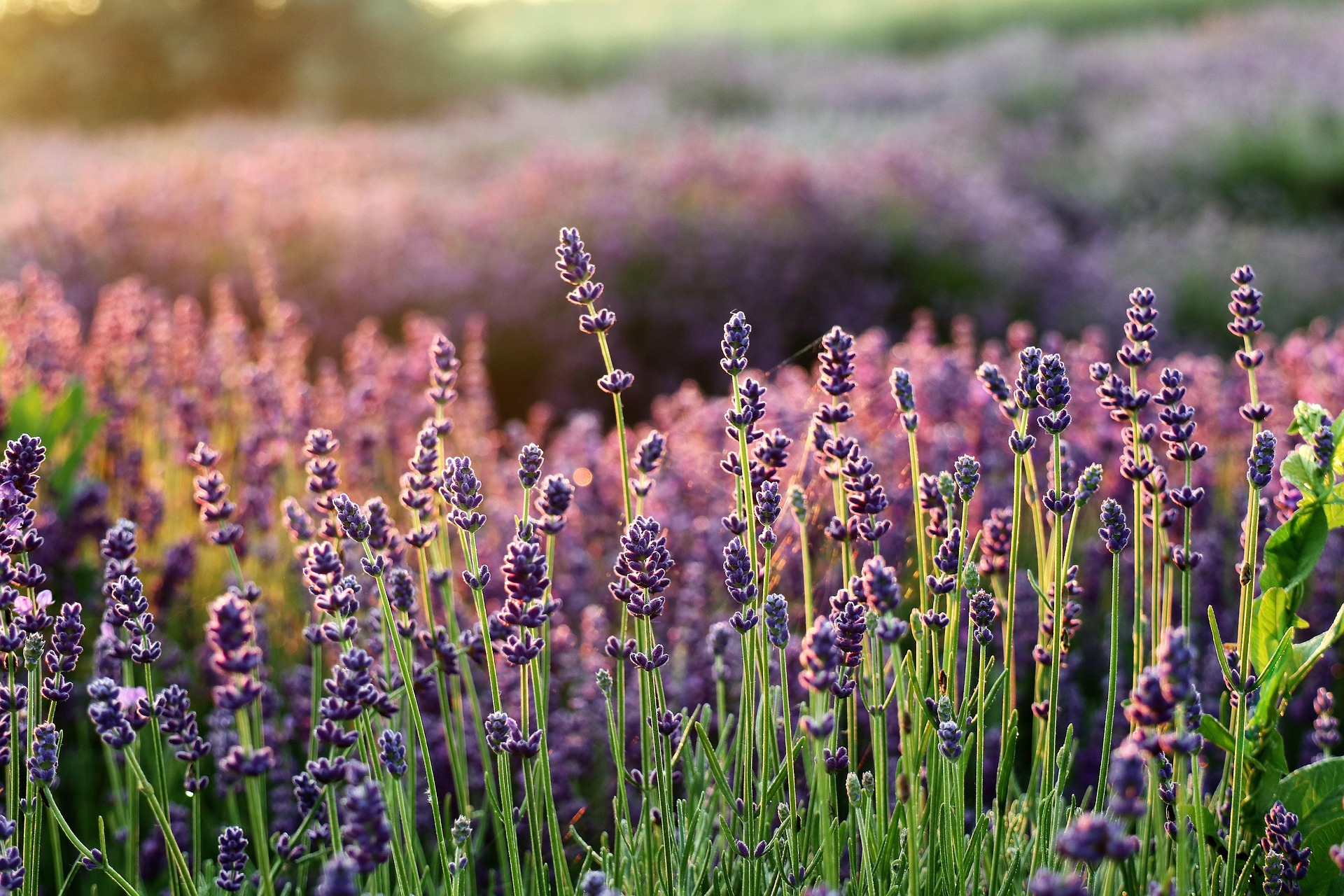
Lavender
Lavender is one herb that will test your patience. The seeds can take 30 days to germinate, and the seedlings grow slowly. For best results, use slightly alkaline seed starting mix. They do best in warm soil, about 70°F. The seedlings need protection from wind and good drainage.
Lavender seedlings need plenty of light to grow well. Like rosemary, they can quickly get leggy without enough light.
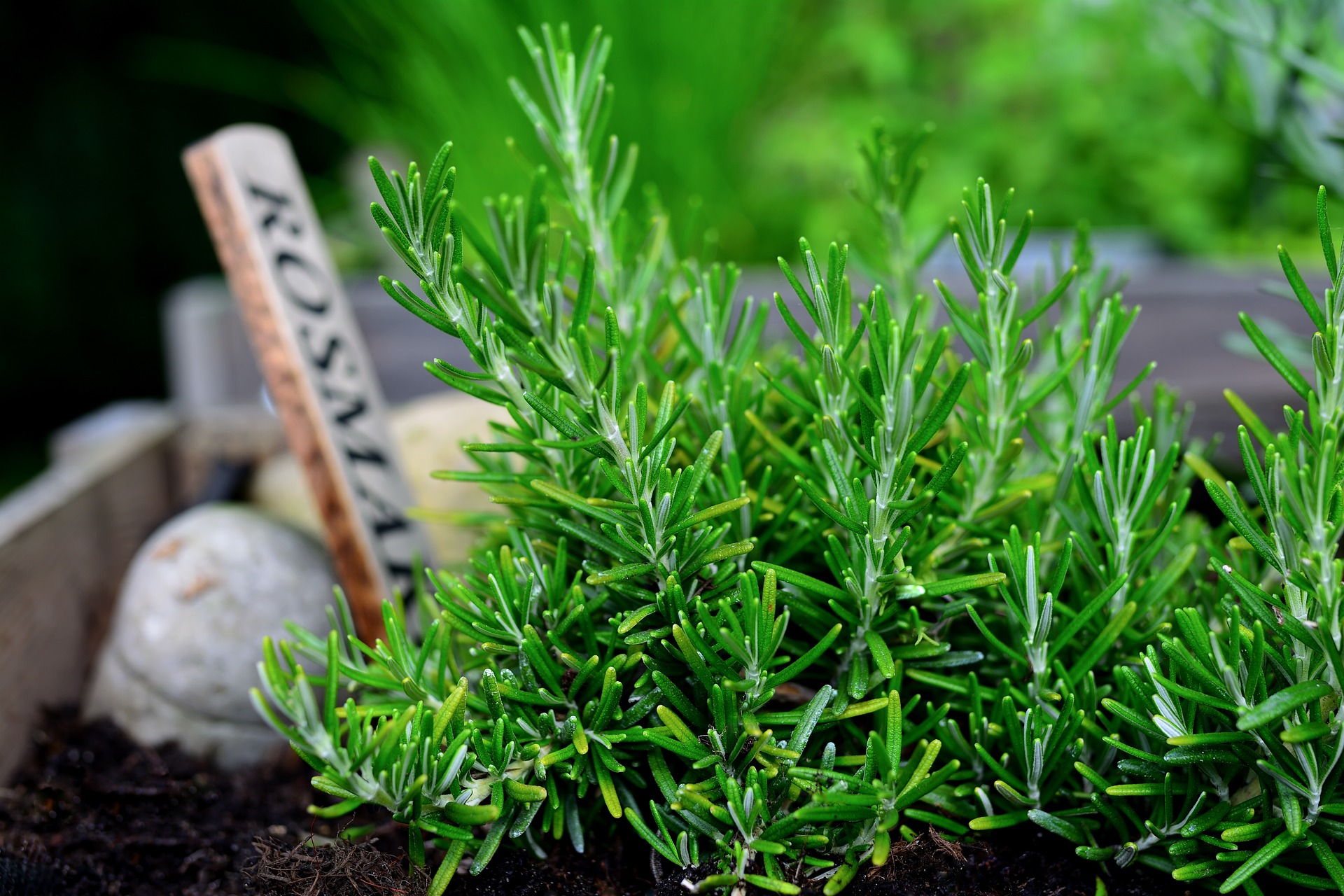
Rosemary
Perennial in zones 7 through 10, rosemary is a splendid choice for gardeners in the Southeast creating an herb garden. Unfortunately, it’s challenging to start from seed. Rosemary typically has low germination rates, and seedling growth is slow.
Rosemary thrives in alkaline soil, so for best results, sow your rosemary in seed-starting mix with limestone added. The seeds also need light to germinate. Gently press the seeds into the surface of the soil. Mist the surface regularly to keep the seeds moist. Keep your soil between 55° and 60°F during germination. Rosemary will germinate in 14 to 28 days.
Once your rosemary has germinated, let the top of the soil dry out between waterings, but never let the plants dry out completely. Use supplemental light if possible; rosemary will get leggy quickly without enough light. You can transplant it out after all danger of frost has passed.
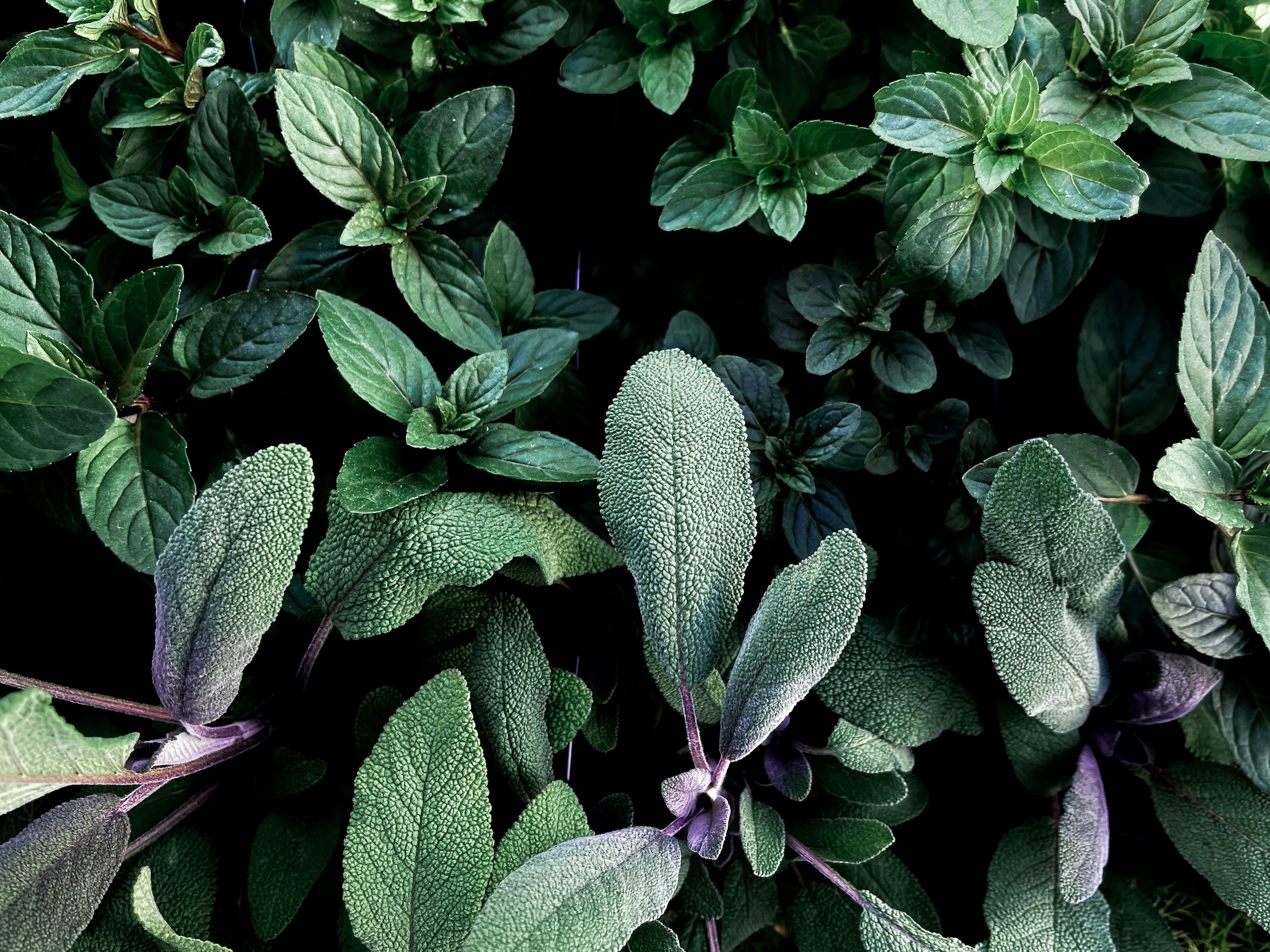
Sage
Sage can be tricky to get started, but it’s well worth the effort. It’s a hardy perennial in zones 4 through 10 once it’s established.
Sage seeds take between 7 and 21 days to germinate and need constant moisture and warmth during germination. Keep the soil around 70°F. Sage seedlings need plenty of light to grow healthy and sturdy, so you may need to provide them with supplemental lighting.

Thyme
Thyme (Thymus vulgaris) seeds are difficult to work with because they’re minuscule. Planting thyme feels like you’re sowing dust. The seeds need light exposure to germinate, so spread them over the soil and gently press them into the surface.
Thyme seeds will germinate when the soil is 55 to 60°F. They’re incredibly slow and may take 14 to 30 days to germinate. The seedlings also grow slowly. Your other herbs and plants will grow much faster, but don’t worry. Thyme will take off later once it’s established outdoors.
You need to keep your thyme seedlings moist, but it can be tricky because they’re so small and delicate. Use a mister while they’re germinating. For small seedlings, you can continue with a mister or switch to bottom watering.
Summer thyme is a perennial in zones 6 through 9. German winter thyme is perennial in zones 4 through 10.
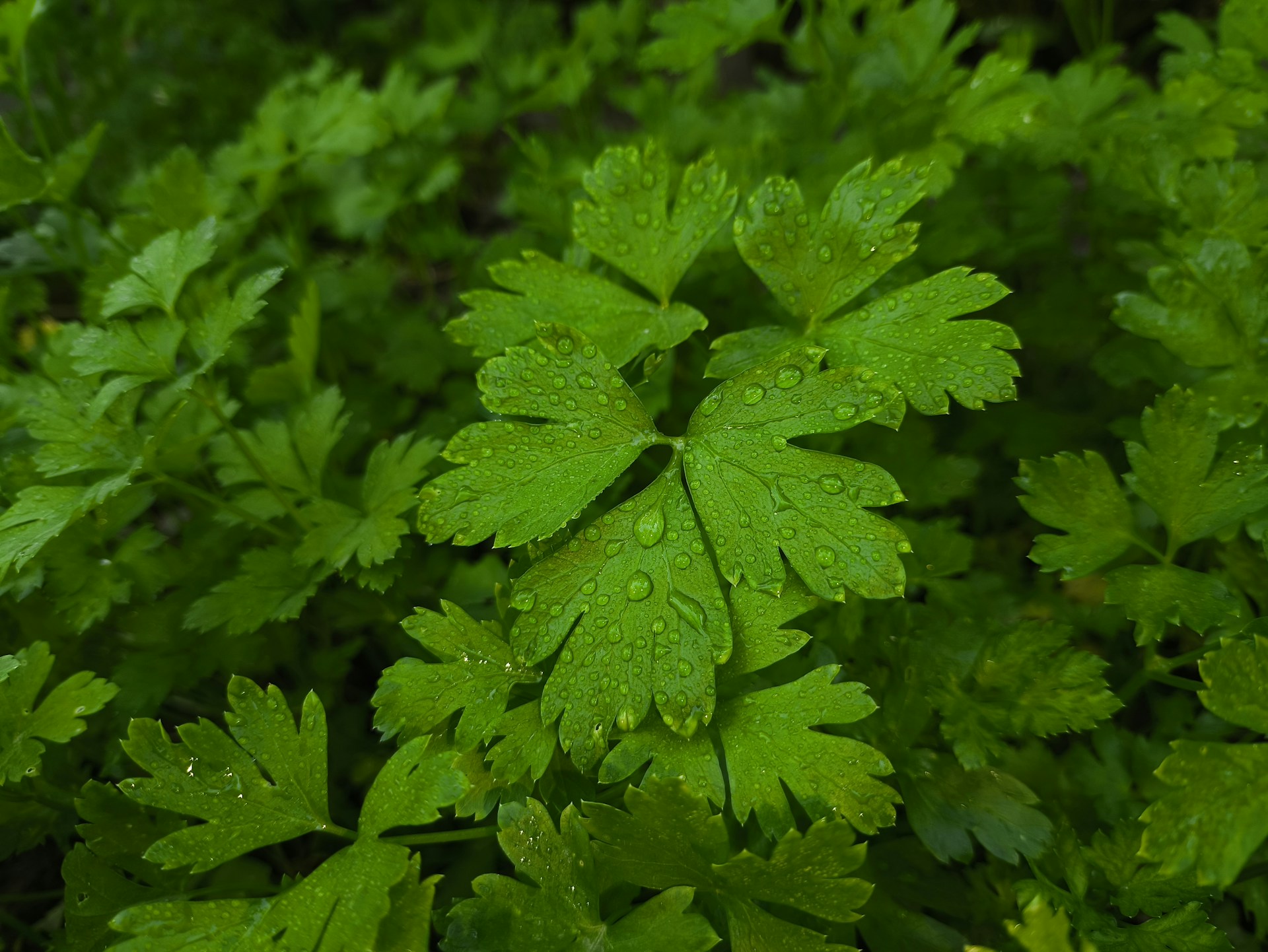
Parsley
While you can direct sow parsley, some growers like to get a jump on it in winter. Parsley is slow to germinate, taking 3 to 4 weeks even in ideal conditions.
Unlike many Mediterranean herbs, parsley needs plenty of moisture. Soak the seeds overnight before sowing and keep them watered well while the seeds are germinating and in the seedling stage. For best results, keep the soil between 65 and 70°F.
Growing herbs from seed can be tricky, but with a little patience, you can add some amazing flavors to your garden and table. Try starting these eight herbs indoors this winter.