
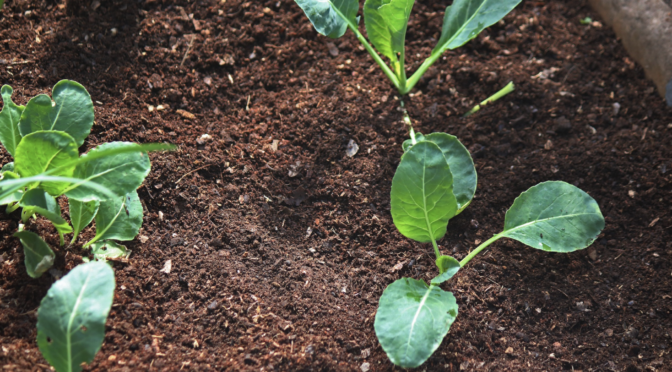
Transplanting seedlings is one joy of spring. We’re getting out into the sun and planting crops like broccoli, tomatoes, peppers, and cabbages in the garden. Unfortunately, it’s not as simple as carrying them outside and plunking them into the soil. Young seedlings are tender plants, and pests, weather, or poor technique can set them back or even kill them. In this post, we’ll dive into some of the common issues with transplants and how you can avoid them.
Transplant Shock
Problem: Your plants wilted after transplanting and displayed scorched leaves or stunted growth. These are sure signs that your plants weren’t ready for life outdoors.
Solution: In the future, slowly adjust your seedlings to the intense sun, wind, and irregular moisture they’ll experience out in the garden. We do this with a process called “hardening off.” Rather than abruptly moving plants to the garden, slowly transition them by setting them outdoors, starting with just an hour each day and slowly increasing that time over two weeks.
After hardening off, seedlings will be tough enough for the garden, but it’s still a good idea to choose a transplanting day carefully. If possible, transplant your seedlings on a relatively cool and overcast day.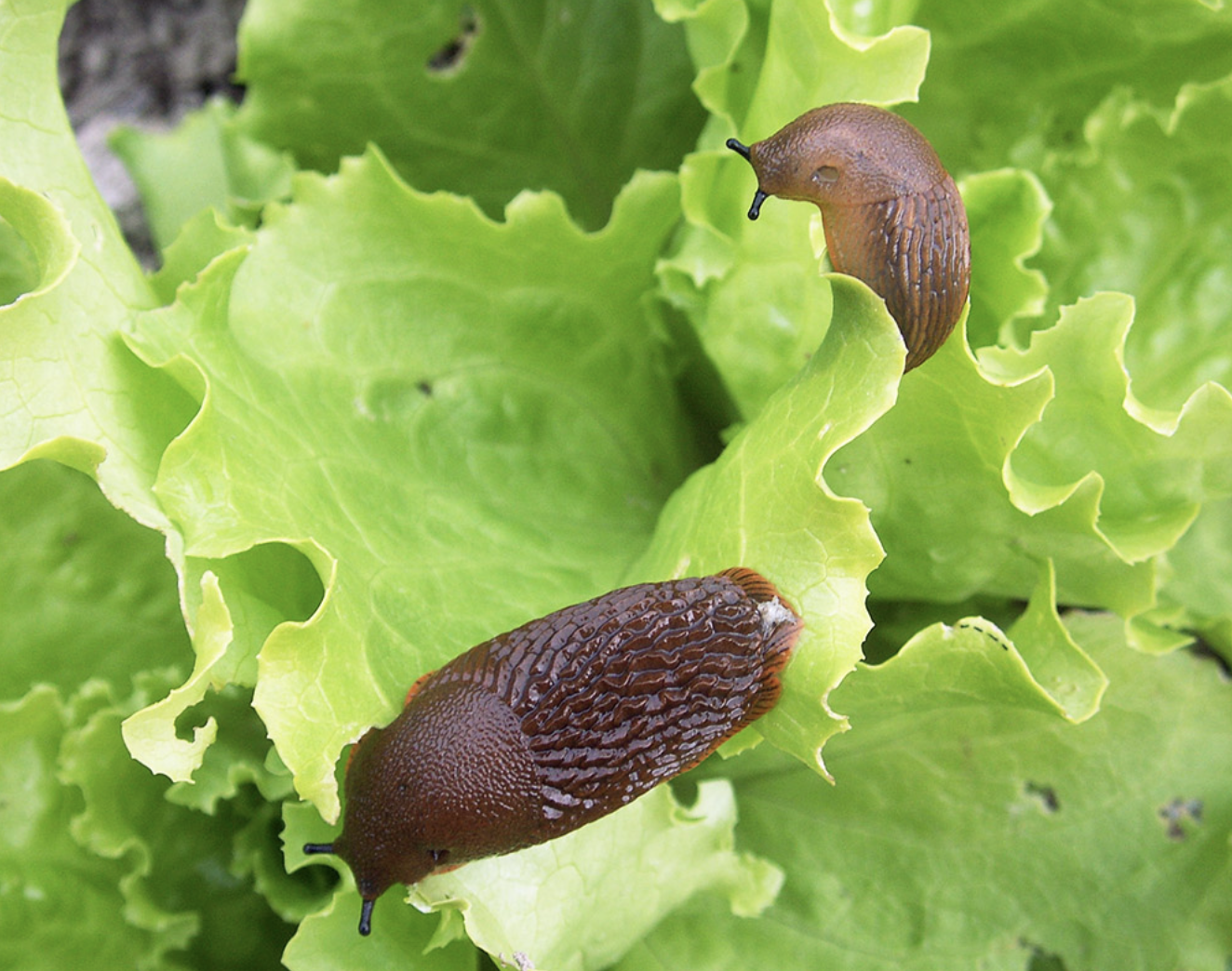
Slug Damage
Problem: Your seedlings have irregular, ragged holes in the leaves or are missing entirely. If you look closely, you may find silvery trails on your plants or the ground around them. These are signs that slugs are snacking on your seedlings!
Solution: To tackle your slug problem, start by temporarily pulling any mulch, plant material, or other places slugs could hide from around your plants. Then you can handpick or trap the slugs by luring them with a good hiding spot or a dish with beer or a water and yeast mixture.
There are also many ways to deter slugs from visiting your garden in the first place, like attracting predators like toads or watering less. Find out more about trapping and deterring slugs in our Organic Slug Control article.
Flea Beetles
Problem: Your plants are riddled with tiny, circular holes. When you examine them, you may notice little shiny black or bronze beetles on the leaves that quickly jump off the plant when disturbed. These are flea beetles, and they can devastate young crops like eggplants.
Solution: Flea beetles are too small to handpick, but there are a couple of ways you can control them. Dust their plants with diatomaceous earth or spray them with neem oil. Both methods will require a few applications and break down in the rain, wind, and sun after a few days.
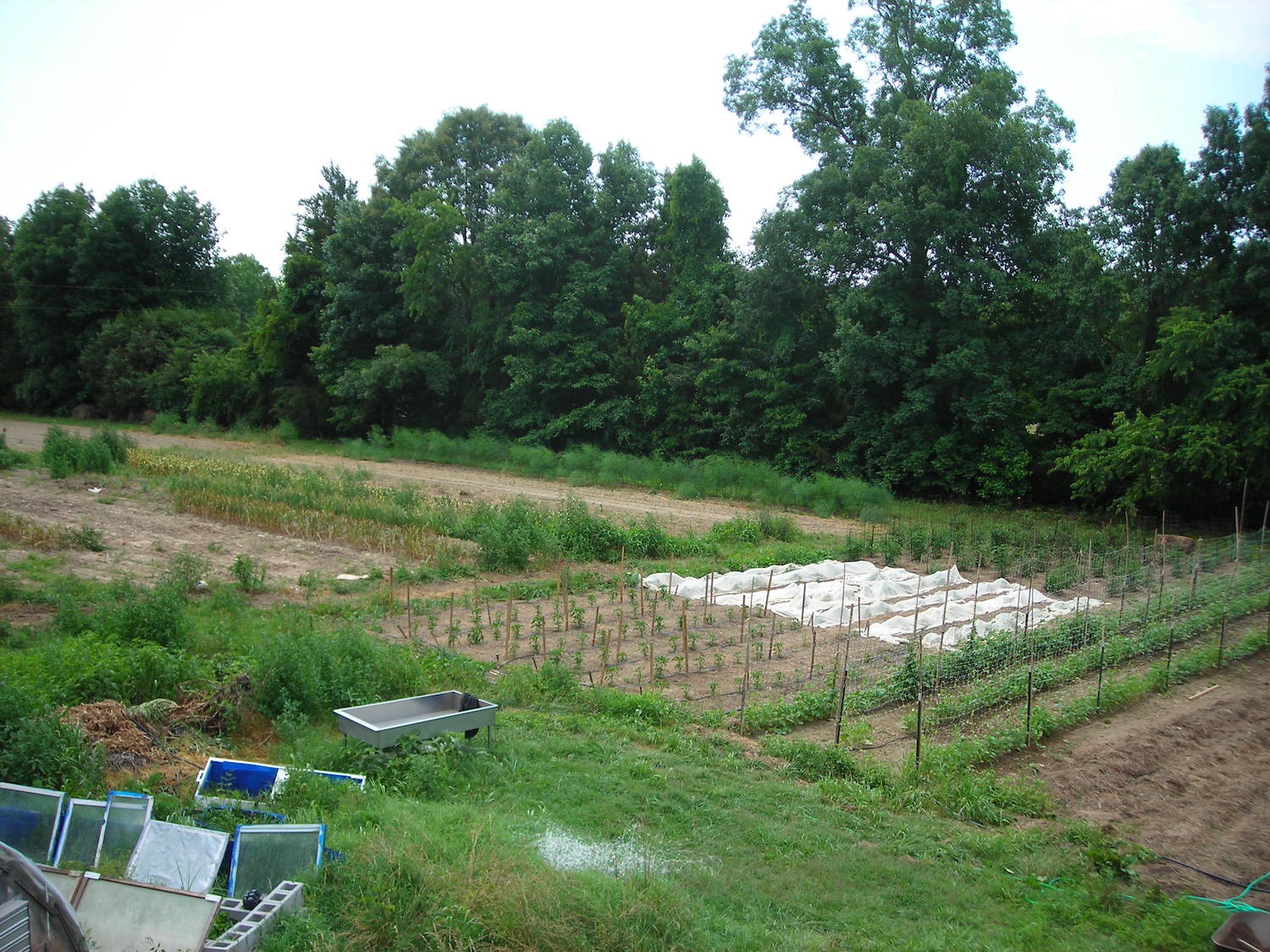
In the Southern Exposure gardens, we can usually count on flea beetles feeding heavily on certain plants like turnips and eggplants. For that reason, we use row cover over young plants to prevent flea beetles from accessing them at all.
Cutworms
Problem: You come out to the garden one morning to find that several of your seedlings are dead on the ground. Upon examination, they had severed stems near the soil level. The appropriately named cutworm usually causes this damage.
Solution: The name cutworm covers several species of caterpillars. The female moths of these species lay eggs in the soil. In the spring, the young, nocturnal larvae feed on plant leaves and roots until they grow about 1/2 inch long. Then, they prefer seedling stems, cutting or burrowing through them as they feed.
One of the easiest ways to prevent cutworms from damaging your seedlings is to place aluminum or cardboard collars around them as a physical barrier. Form the material so that it encircles your seedling and extends a couple of inches below the soil and a couple of inches above it.
Tilling or allowing chickens and other poultry to go through the garden before planting can help reduce the cutworm population.
Weather and Timing
Problem: Your broccoli plants only produced tiny heads. While this may seem like a nutrient issue, it’s actually often caused by cold temperatures during the seedling stage.
Solution: Broccoli is a cool-weather plant, but if the seedlings experience temperatures in the 20°Fs or lower, they may “button up” and only produce tiny heads. These temperatures signal to the plants that they’ve gone through a winter and it’s time to flower.
While cold weather has obvious consequences for broccoli heads, it can also affect other seedlings. When the temperature drops below 40°F, there’s a risk that warm-weather crops like peppers, cucumbers, and eggplants may experience chilling injury, leading to stunted growth and lack of production.
It’s tempting to plant early, but it’s best to wait until the risk of cold temperatures has passed. If you already have seedlings out and cold weather is in the forecast, protect them if possible with row cover or plastic low tunnels.
Proper Planting Depth
Problem: Your seedlings are wilted, stunted, dying, or the leaves are turning yellow, white, or pale green. While many issues can cause these symptoms, they’re often caused by a simple mistake when planting. You may have planted your seedlings too deep.
Solution: In general, you want to plant transplants so that the soil is at about the same level or just above what it was in the pot. Burying transplants too deeply can rot your plants’ stems.
The exception to this rule is tomatoes. Tomato plants produce adventitious roots wherever nodes along the stem touch moist soil. Removing the lower leaves and burying your tomato plants deeply will encourage them to put out more roots. This will give you healthier, more robust plants.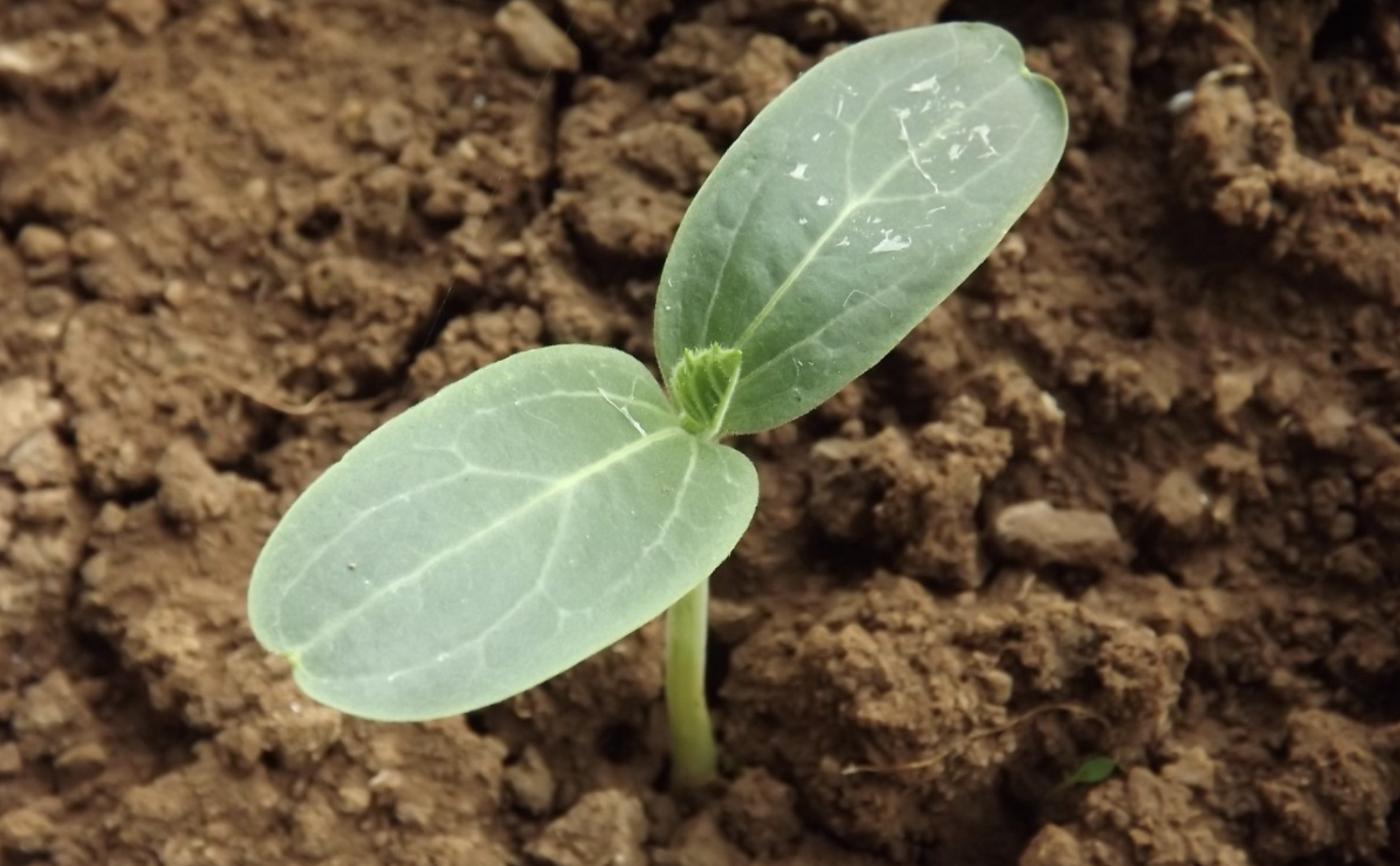
Cucurbit Conundrums
Problem: You transplanted seedlings in the cucurbit family, like cucumbers, winter squash, or watermelons, hoping to get a head start on spring. Unfortunately, they’re wilting, weak, stunted, or dying. The issue could be root disturbance.
Solution: Cucurbits are tricky to transplant successfully. They are incredibly sensitive to any root disturbance. Direct sowing eliminates this issue. If you want to start them indoors, you can always use biodegradable pots to reduce root disturbance. We also recommend planting a few extra and holding them back so you can replace any that die with that dieecond round of transplanting.