
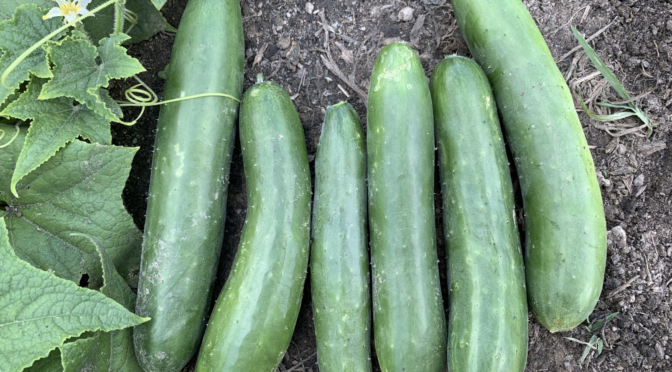
Cucumbers are a must-have crop for gardeners. Their cool crunch and refreshing flavor are an integral part of summer. While growing cucumber plants is great for beginners, there are a few tricks you need to know if you want a big harvest.
Choose the Right Cucumber Variety for Your Garden
We carry dozens of cucumber varieties, and choosing the right one for your garden can be overwhelming. We can divide cucumbers into pickling, slicing, burpless, bush, and specialty cucumbers. These cucumber types have different growing habits, flavors, and textures.
You can learn more about selecting the best variety for you in our post, Pickling, Burpless, Bush: Selecting the Right Cucumber for Your Garden.
You should also consider disease or pest resistant varieties, especially if you’ve had issues in the past. For example, if your cucumbers always suffer from Downey mildew, look for varieties in our catalog marked with “dm” for Downey mildew resistance, like Ashley Cucumber.
See our full key for disease and pest resistance here.
Take Extra Care When Starting Cucumbers Indoors
Direct sowing works great for cucumbers, but if you want a jump on the season, you can start them indoors. That said, cucumber seedlings are fussy. Keep them moist but not soaked to avoid fungal issues like dampening off.
Cucumbers don’t tolerate root disturbance at all. Use biodegradable pots or be very careful while transplanting to avoid root disturbance. Hold back a few extra seedlings to fill in any gaps in the garden if seedlings fail.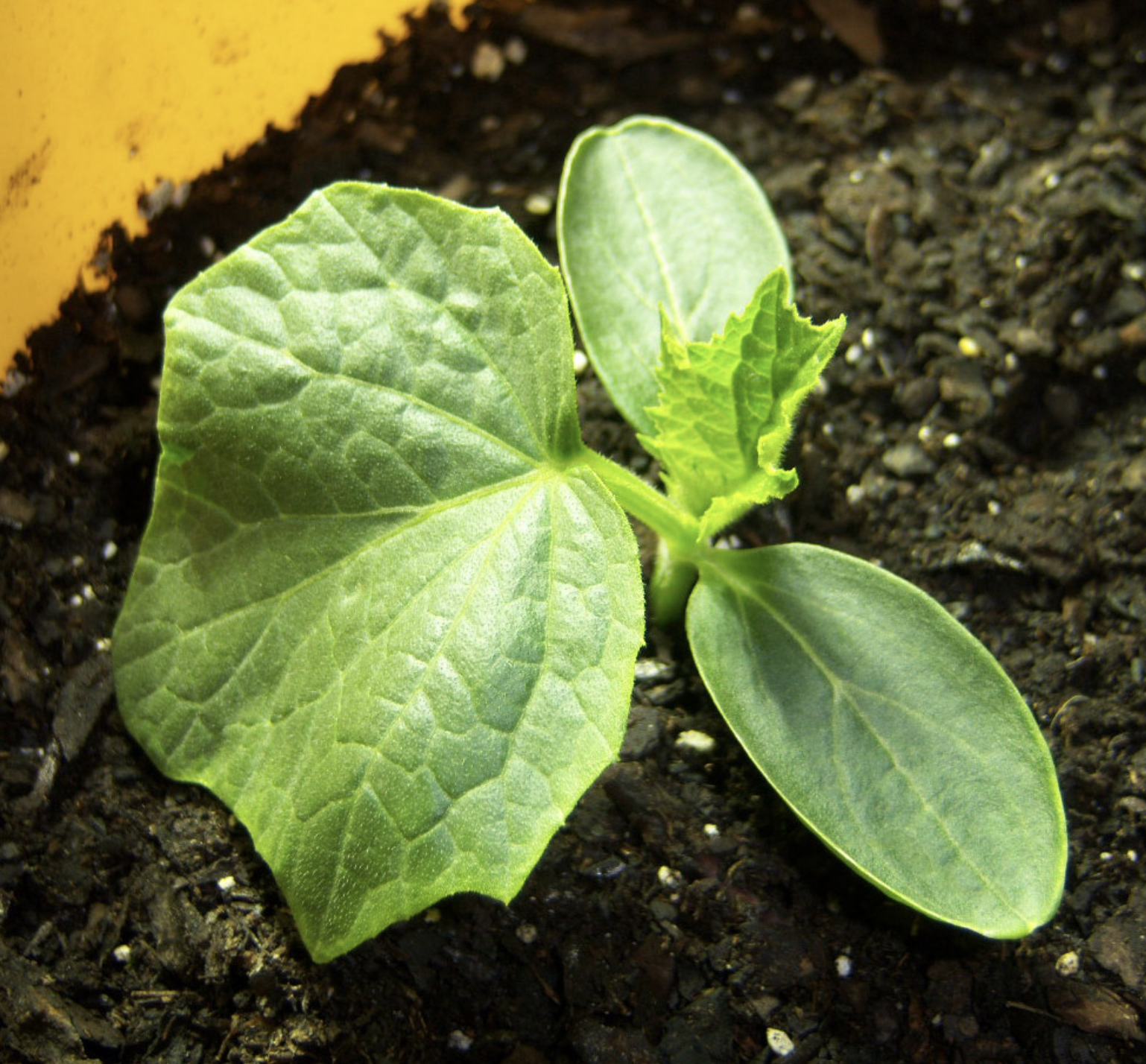
Don’t Start Cucumbers Too Soon
Cucumbers are warm weather loving plants. It can be tempting to start them early, but that can do more harm them good. Wait to sow seeds or transplant out cucumbers until one to two weeks after your last frost and the soil has warmed. Cucumbers germinate best when the soil temperature reaches 68° F.
Prepare the Soil
A huge cucumber harvest starts with warm, loose, fertile soil. To produce well, cucumber plants need healthy root systems. To help those develop, it’s best to start with a soil test. Cucumbers do best when the pH is between 6.0 and 6.8.
To add fertility and organic matter to the soil, add several inches of aged manure or finished compost to the bed before planting. If you have compacted soil, you can also help loosen it with a garden or broad fork.
Cover Your Cucumbers
If you’ve struggled with cucumbers in the past because of pest and disease issues, it might be worth using row cover. Row cover is a lightweight fabric that you can use over flexible wire hoops to screen out pests.
It’s highly effective. However, it blocks out pollinators just as well as it blocks pests. If you choose to use row cover, you’ll need to remove it when the plants are flowering or hand-pollinate your plants, which we’ll discuss below. 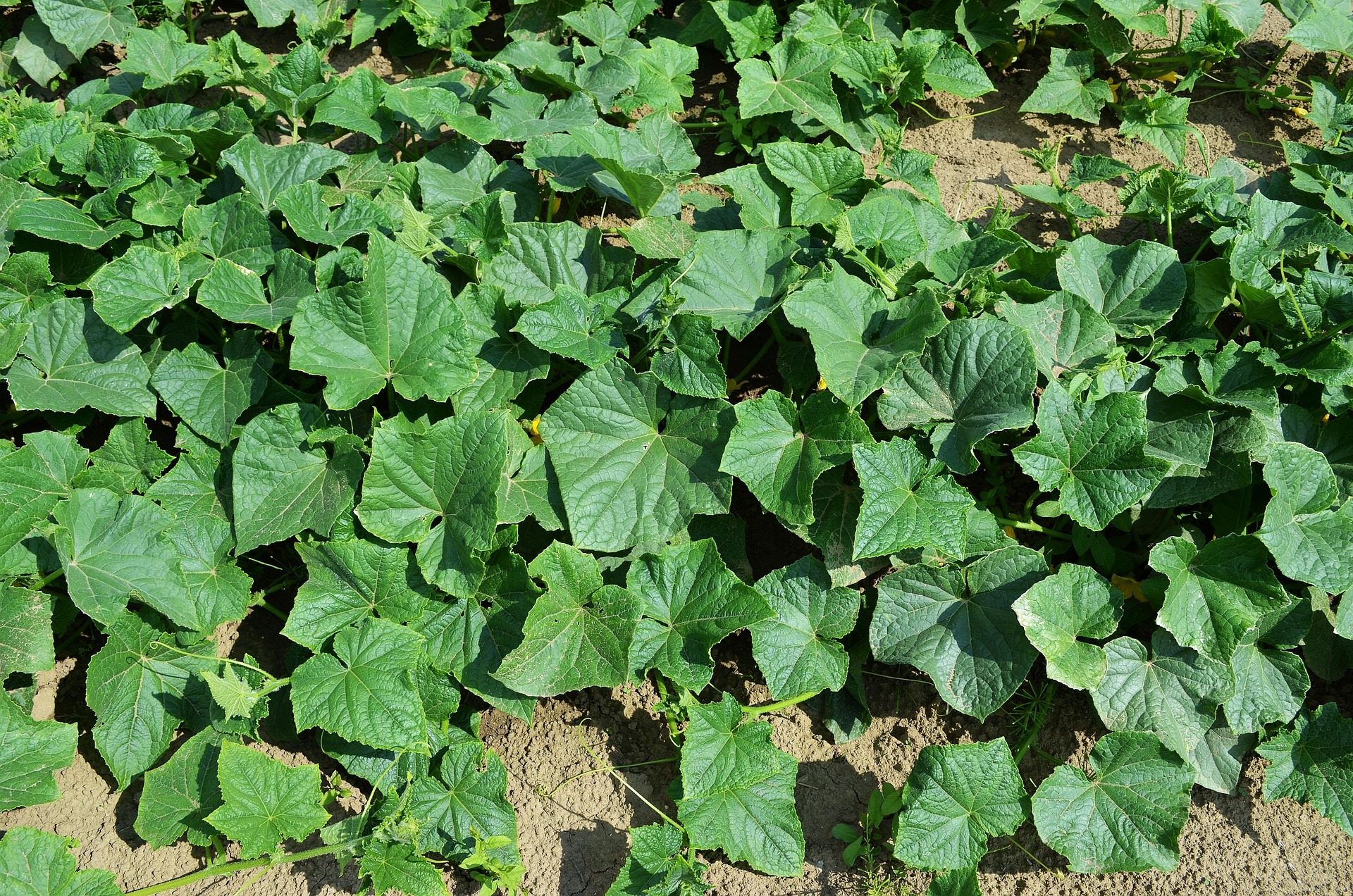
Water Frequently
Ever harvested a wonky cucumber with a thin, tapered end? Incomplete pollination, heat stress, or inconsistent watering may be the cause. Cucumbers are 95% water! If you want a massive cucumber harvest, you need to stay on top of watering.
For container gardens or small beds, you can set a phone alert to water, but for larger gardens, it may be helpful to set up irrigation on a timer. Watering the roots with drip irrigation or soaker hoses, rather than the leaves with a sprinkler, can also be helpful in reducing fungal diseases.
You should also avoid touching the leaves and vines while the plants are wet to avoid spreading fungal diseases.
Mulch Thickly
You can also avoid the wonky cucumbers and move towards a great harvest by adding a thick layer of mulch as soon as the plants are large enough. You can use straw, grass clippings, old leaves, or wood chips.
This is especially critical if you haven’t trellised your cucumbers. If you let your cucumbers sprawl, mulch will prevent the fruit from lying on the ground.
Feed Your Plants
Cucumbers are heavy feeders. For a huge cucumber harvest, your plants need significant levels of nutrients, especially nitrogen and phosphorus. Soil preparation, as discussed above, is critical, but cucumbers also benefit from a second feeding.
To help support fruit production, side-dress your cucumbers when the vines begin to flower. You can use aged manure or compost, a traditional fertilizer, or a liquid fertilizer like fish emulsion or liquid kelp.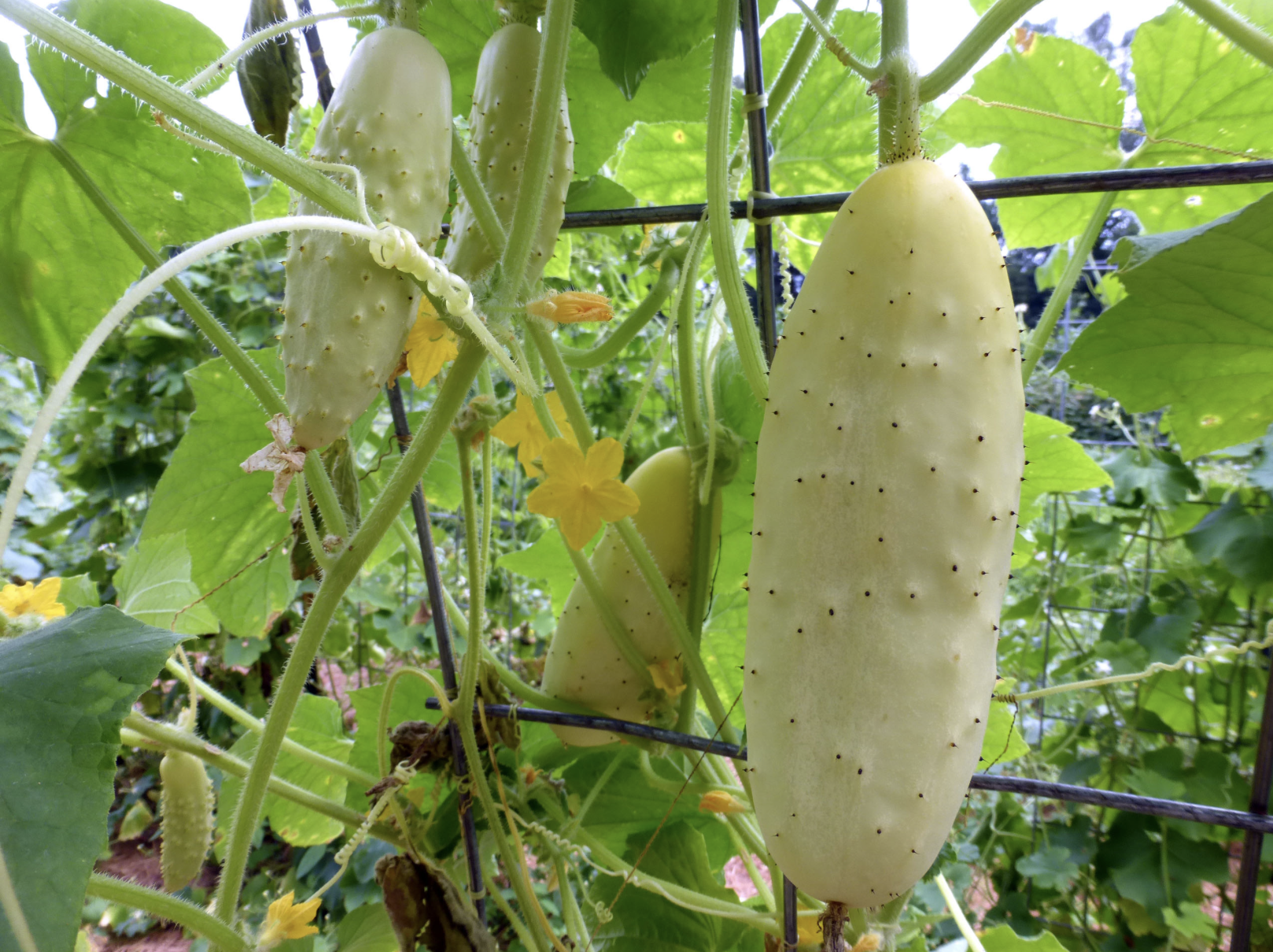
You May Need to Hand Pollinate
If your plants are flowering, but you’re not seeing any cucumbers forming, you may have a pollination issue. You need at least two or three plants for pollination, but the more plants you have, the better the pollination rate will probably be.
Cucumbers form both male and female flowers. The female flowers all have a small immature fruit at the base. If the female flowers aren’t pollinated, they will drop off the plant and fail to produce. Lack of bees, extreme heat, or being in a closed greenhouse or row cover can prevent pollination.
You can remedy this by hand-pollinating the flowers. Take a cotton swab or paintbrush and gently brush the center of a male flower, gathering pollen from the flower’s anther. Then brush the pollen onto the center of the female flower, called the stigma. The bristles or swab will collect and distribute the pollen just like a bee’s hairs. Repeat this process on all the female flowers.
Harvest Frequently
It sometimes seems like cucumbers can go from tiny to baseball bat size overnight. They can also be surprisingly adept at hiding amongst the foliage. Keeping up with harvesting will help you catch your cucumbers at the right stage, but it’s also critical for maintaining production.
Harvest your cucumbers every one to three days. Your cucumber plants will stop producing if you don’t harvest them often enough.