
Compost is one of the best organic gardening amendments. It adds nutrients, improves soil structure, enhances water retention, helps keep organic matter out of landfills, and is easy to make at home. Depending on how you care for your compost, it can take one to twelve months to go from a pile of leaves, grass clippings, and vegetable scraps to rich, finished or mature compost. Here’s how to tell when your compost is ready to use.
Signs that Your Compost is Ready to Use
There are a few key signs that will let you know your compost is finished and ready for use in the garden.
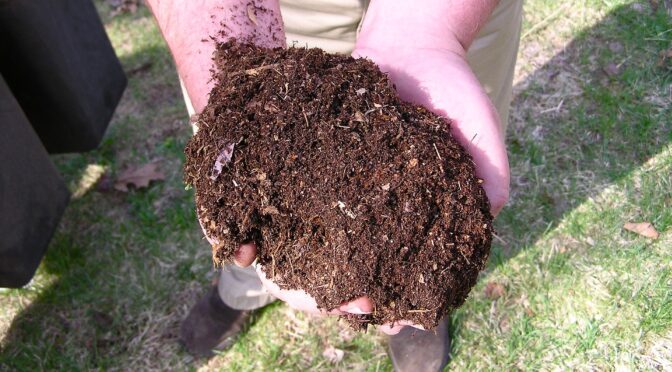
- The organic matter in your compost has finished breaking down and is no longer recognizable as the material you added in the beginning.
- The compost has an earthy odor and a dark, crumbly texture.
- Your compost is no longer generating heat, even in the middle of the pile.
- Your pile looks a lot smaller. Compost piles shrink by as much as half as they break down.
Can Your Use Compost Early?
Yes, you can use compost before it’s fully broken down. However, this type of compost that still has noticeable pieces of other organic material in it is best for top-dressing garden beds. In this way, it will act like a mulch, continuing to break down and add nutrients to the soil while holding moisture and blocking weeds.
However, compost for containers or seed starting should always be fully mature or finished. Immature compost may burn tender roots or have unavailable nutrients because of a process called nitrogen immobilization, where microbes consume available nitrogen to break down carbon.
Screening Compost
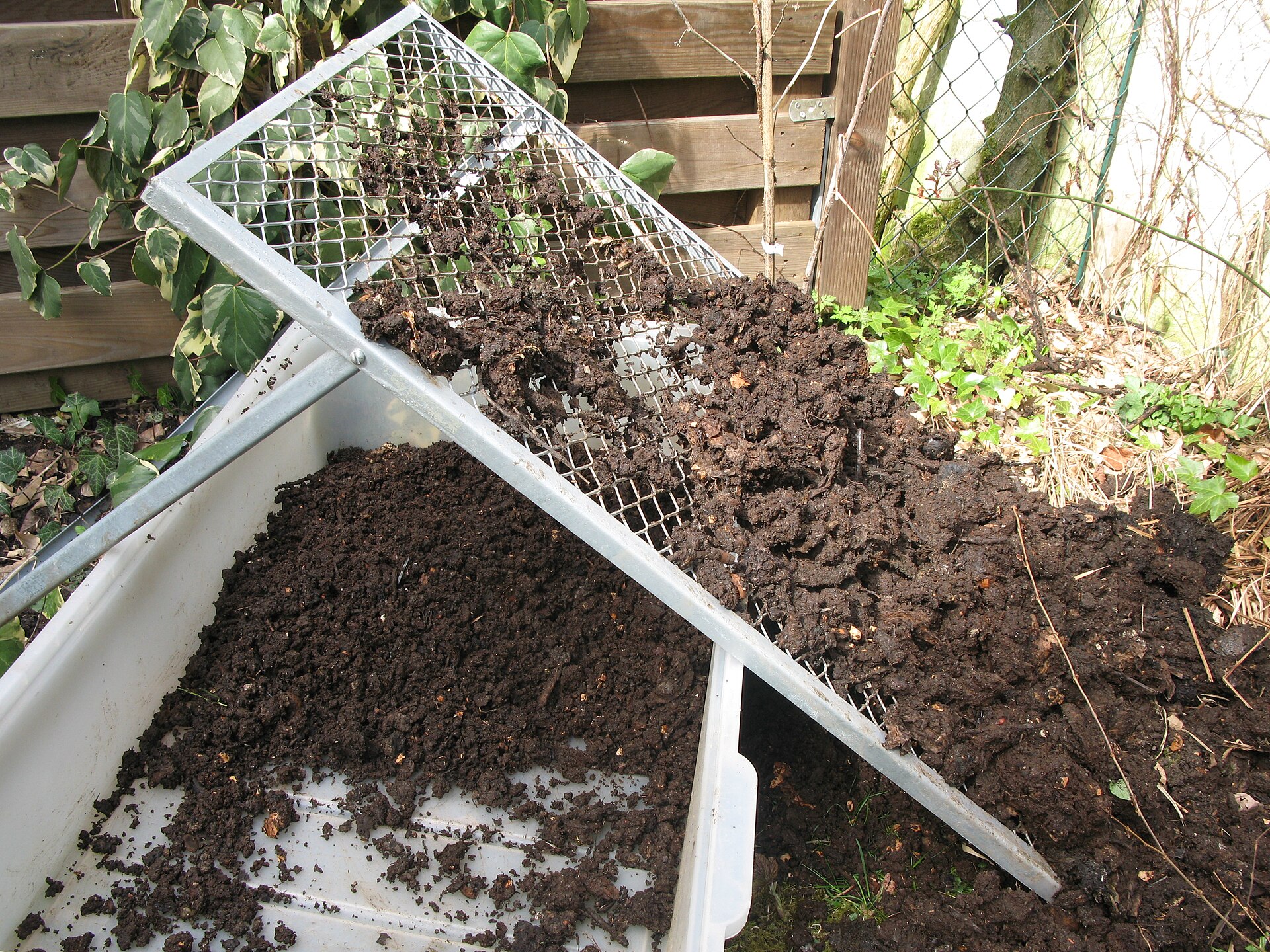
Organic material in a compost bin may decompose at different rates. For example, old leaves will break down much more quickly than sticks or large wood chips. Compost may also have some clumps and clods.
You can use a metal screen, old fencing on a frame works well for this, to screen compost into a tote or large container. The finished result will be smoother and better for starting seedlings or using in containers. Material you screen out that hasn’t fully broken down can be added to your next compost pile.
How to Use Your Compost
One of our favorite ways to use compost, it to spread at least 2 inches over each bed before planting a new crop. This adds fresh nutrients to the soil, and over time, will improve the soil structure. If you have little compost available, you can also mix it into transplanting holes or along your seeding trench so that the plants’ roots can access it.
You can also use compost to start seeds indoors, grow container gardens, or even repot your houseplants. Some folks use straight compost, but you can also mix it in with your potting soil or seed-starting mix.