
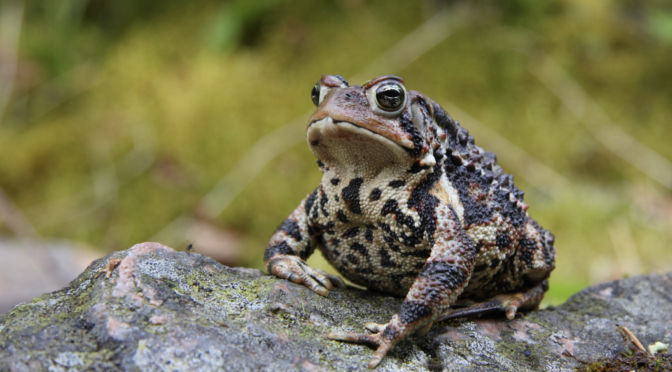
Toads are the nighttime guardians of your garden. Even if you don’t see them, you might hear them. Toad’s have beautiful trills that echo through the spring and summer evenings. These nocturnal creatures come out at night to feed on insects, protecting your plants and keeping the ecosystem in balance. There are several toads that live in the Southeastern United States and with a little work you can invite them to your garden.
Why Should I Attract Toads to My Garden?
While they may not be turning into princes any time soon, toads are little warriors that help guard your garden. Adult toads are voracious predators that feed on small invertebrates like slugs, cutworms, roaches, earwigs, ants, beetles, caterpillars, and grubs. Some sources indicate that during the growing season, over 80% of a toad’s diet may consist of common garden pests.
Toads of the Southeastern United States
While the differences can be tricky to spot, there are several different species of toad that live in the Southeastern United States.
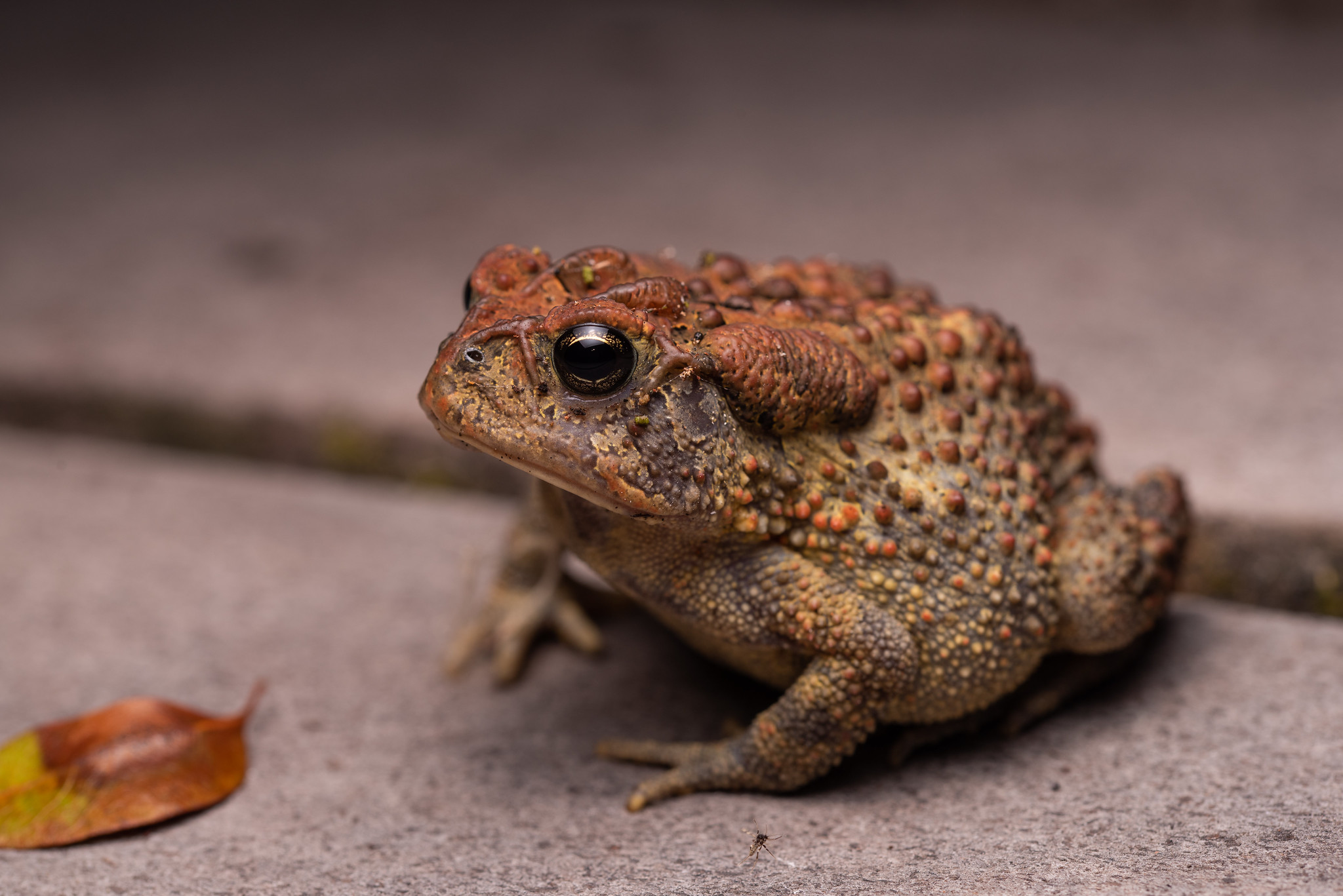
Southern Toad (Anaxyrus terrestris)
These medium-sized toads that are usually brown but may range from gray to red or black. They often have dark spots which contain one or more warts. Don’t worry, you can’t get warts from them! That’s an old wive’s tale. Southern Toads have two prominent bumps called cranial crests on top of their heads, between their eyes. These crests can help you differentiate them from other species.
Ryan Hodnett, CC BY-SA 4.0 <https://creativecommons.org/licenses/by-sa/4.0>, via Wikimedia Commons
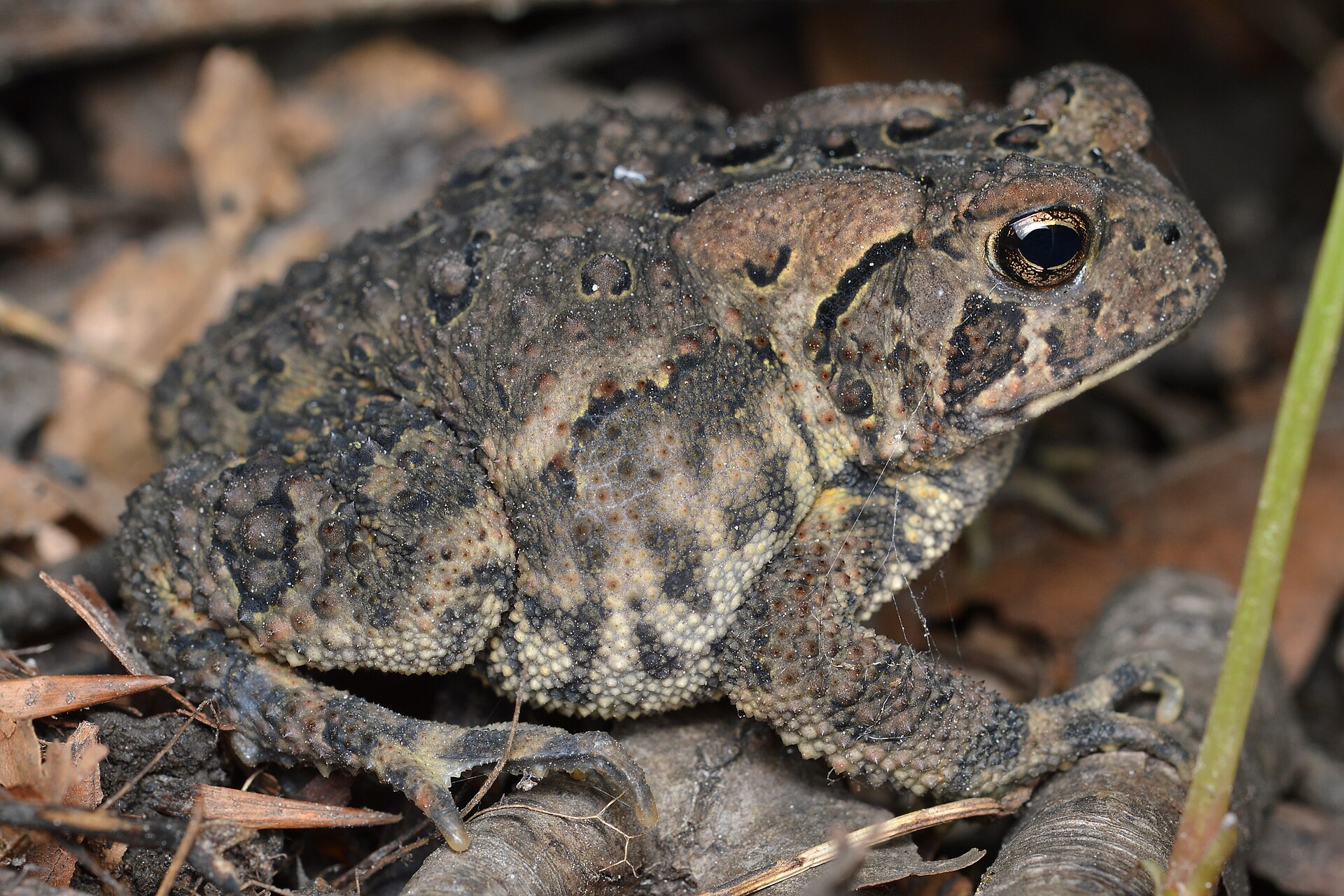
American Toad (Anaxyrus americanus)
American toads are medium-sized and usually brown or gray but can also be reddish, olive, or tan, often with yellow or tan patches and irregular dark spots. They usually have one or two warts within the dark spots. American toads also feature distinct, kidney-shaped, wart-like glands called parotoid glands behind each eye.
Bob Warrick, CC BY-SA 4.0 <https://creativecommons.org/licenses/by-sa/4.0>, via Wikimedia Commons
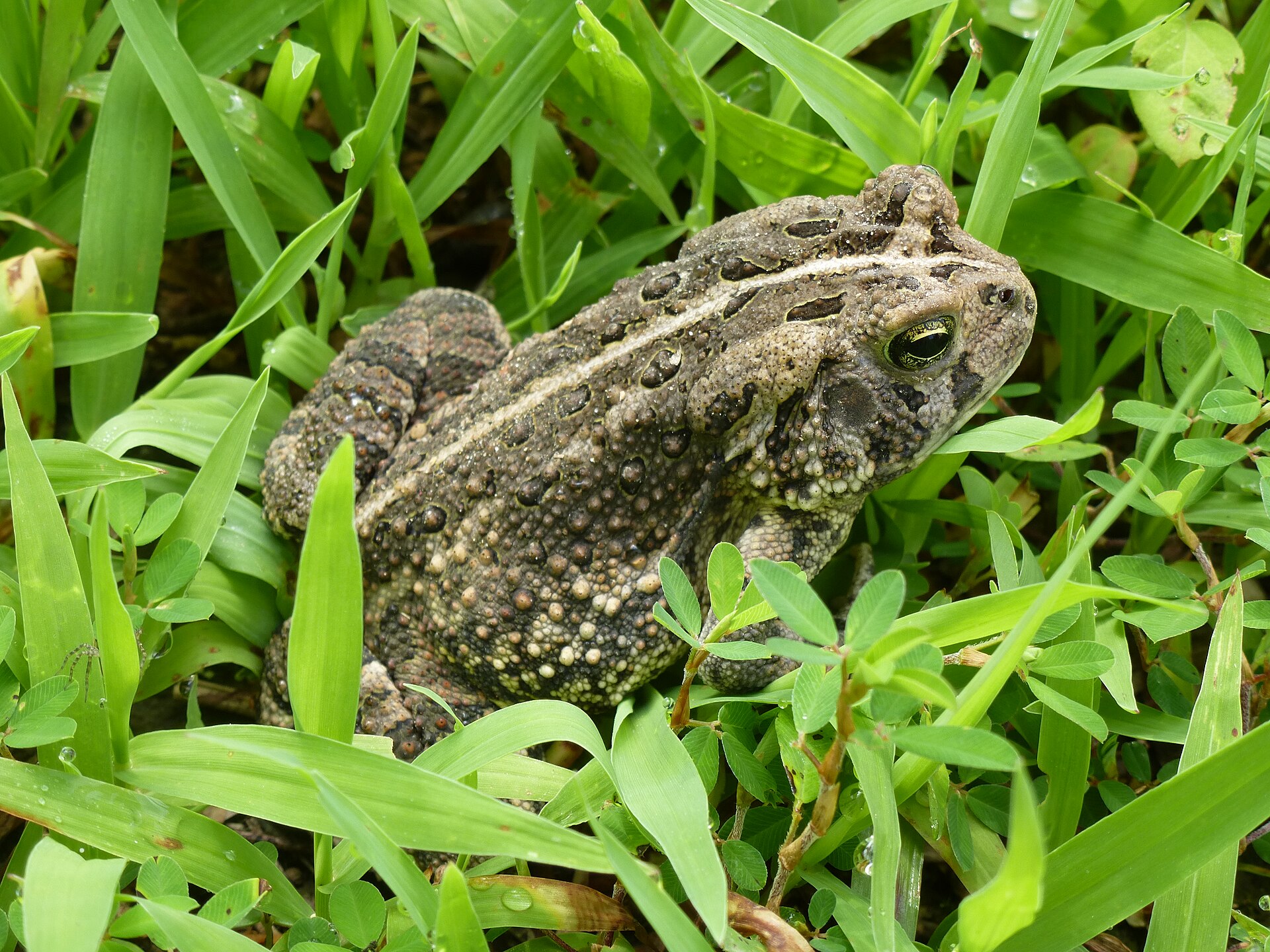
Fowler’s Toad (Anaxyrus fowleri)
These small to medium toads have brown to gray, dry warty skin and short legs. Occasionally, they may feature yellowish highlights. Unlike American Toads, Fowler’s Toads typically have at least three warts within each dorsal spot.
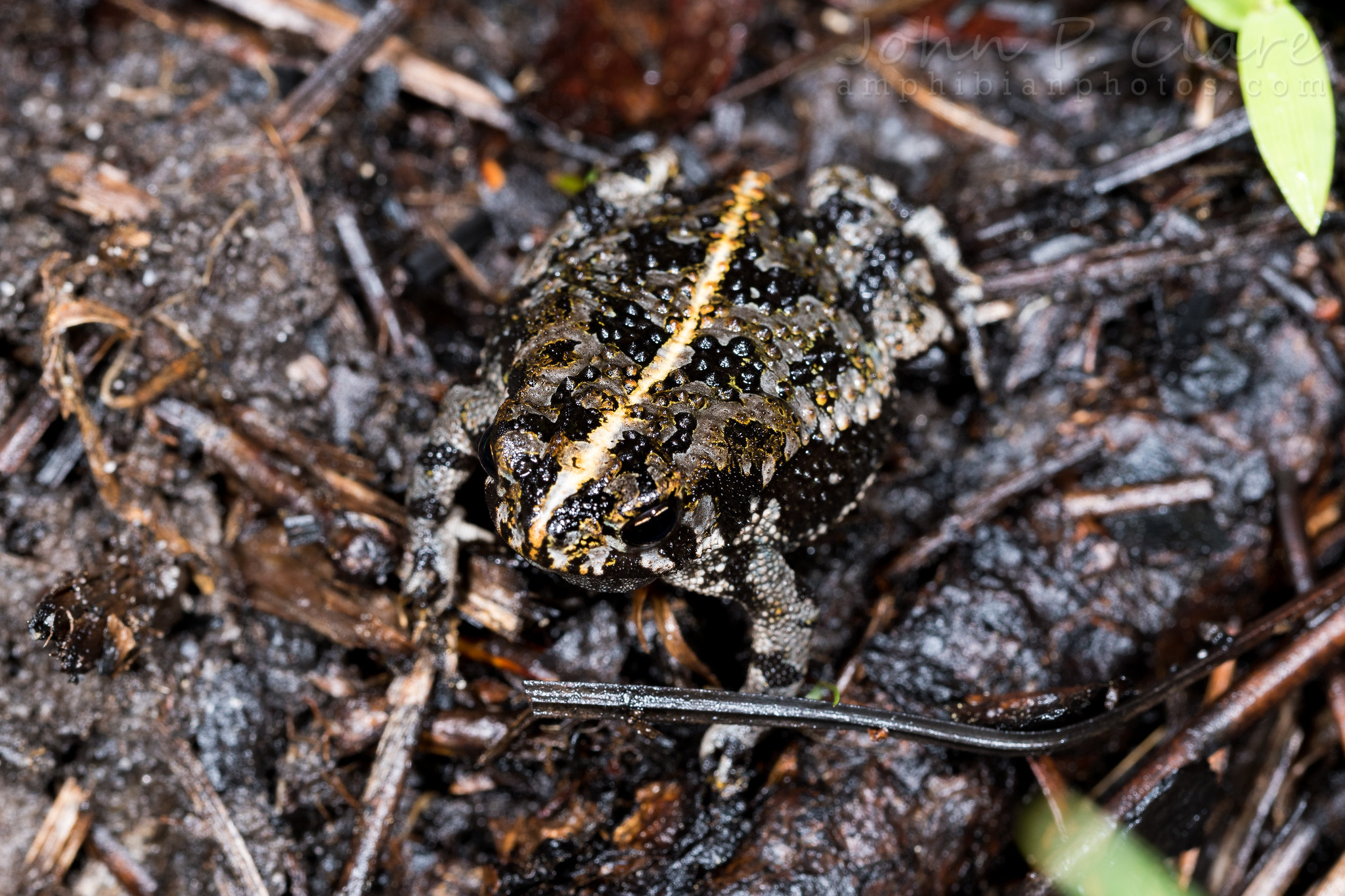
Oak Toad (Anaxyrus quercicus)
The Oak Toad is the smallest North American toad! These toads feature a distinct light colored stripe down the center of their backs making them easy to distinguish from other toad species. They also feature large, irregular brown and black spots.
How to Attract Toads to My Garden
Toads occur naturally in many of the places we garden, but they’re more likely to spend time there, and eat more pests, if you make the space more comfortable for them. Here’s five simple ways you can make your garden a bit more appealing to toads.
Add Some Shelter
Toads thrive when they have plenty of shelter from predators and the weather. Overturned pots, rock piles, toad houses, wood piles, rock gardens, and wild areas are great options for toad shelters. Create spaces where the toads can get beneath to stay moist and be protected from wind, sun, and predators.
Provide Water
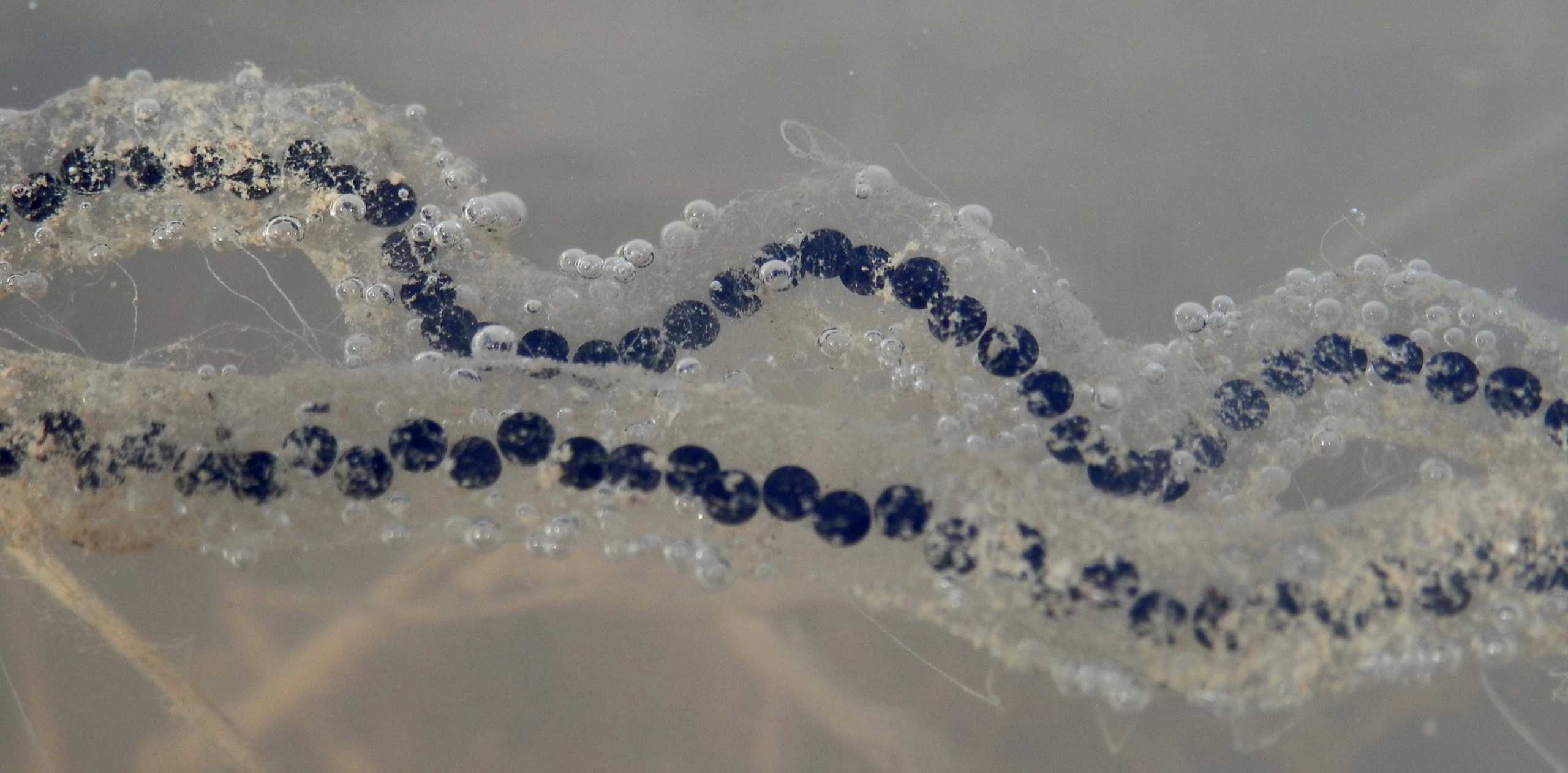
Toads don’t swim like frogs, but they do need plenty of water for drinking and breeding. Shallow dishes of water in the garden are great for drinking water. If you’re up for a larger project, you can also make shallow ponds in or near your garden for breeding. Avoid treating the water with chemicals. No matter what water sources you’re providing ensure it has shallow sides that toads can easily climb.
Create Dense, Shady Areas
Adding shrubs and dense plantings to your garden helps hold moisture and gives toads a place to hide from predators. These areas are also great for other wildlife like songbirds. They can be as simple as wildflower strips or native shrubs planted alongside your growing area.
Avoid Pesticides, Herbicides, and Other Chemicals
Toads have permeable skin that allows them to absorb oxygen and moisture from their environment. Sadly, this also means it’s easy for them to absorb toxins and pollutants that contact their skin which can lead to illness and death. They may also come into contact with pesticides as they feed on affected insects. To protect toads and other wildlife, avoid applying chemicals in your garden.
Allow Leaf Litter to Accumulate
Leaves keep the soil cool and moist. They provide attractive habitats for toads and for the bugs they eat. In dense piles beneath shrubs, toads may even find places to overwinter.
Toads are surprisingly long-lived with many living 10 years in the wild. If you can convince one your garden is a good place to stay, you may have a helpful garden partner for years to come.