
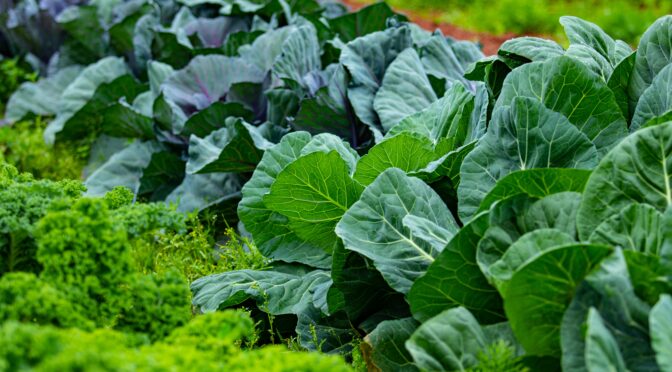
At Southern Exposure, our goal is to preserve and share open-pollinated and heirloom varieties that thrive in the Southeast and Mid-Atlantic. Naturally, this means that many of our varieties tolerate some heat and humidity. However, if you’re a grower in the Deep South, you know that summers there can bring intense conditions. Many regions in the southeastern states deal with high temperatures, high humidity, increased disease and pest pressure, and some drought. To grow in these conditions, you’ll need to select varieties that can withstand them.
Look for the Especially Well-Suited to the Southeast Symbol
The sun symbol in our catalog and website listings indicates that a variety will thrive in conditions particular to the Southeast. While all our varieties are well-adapted to the mid-Atlantic, those varieties with the sun symbol are particularly well-suited to hot, humid summers.
Crops that earn the sun symbol are those that reliably produce with good flavor in the Southeast’s unique conditions. Their exact characteristics vary with crop type. For example, Anuenue Batavian Lettuce earned the sun symbol because it germinates well at soil temperatures above 80°F and is bolt resistant while our Arkansas Traveler tomatoes earned the sun symbol because they are disease resistant and produced delicious tomatoes under high heat and drought when other varieties failed.
On the website you can sort for crops that are especially well-suited to the southeast.
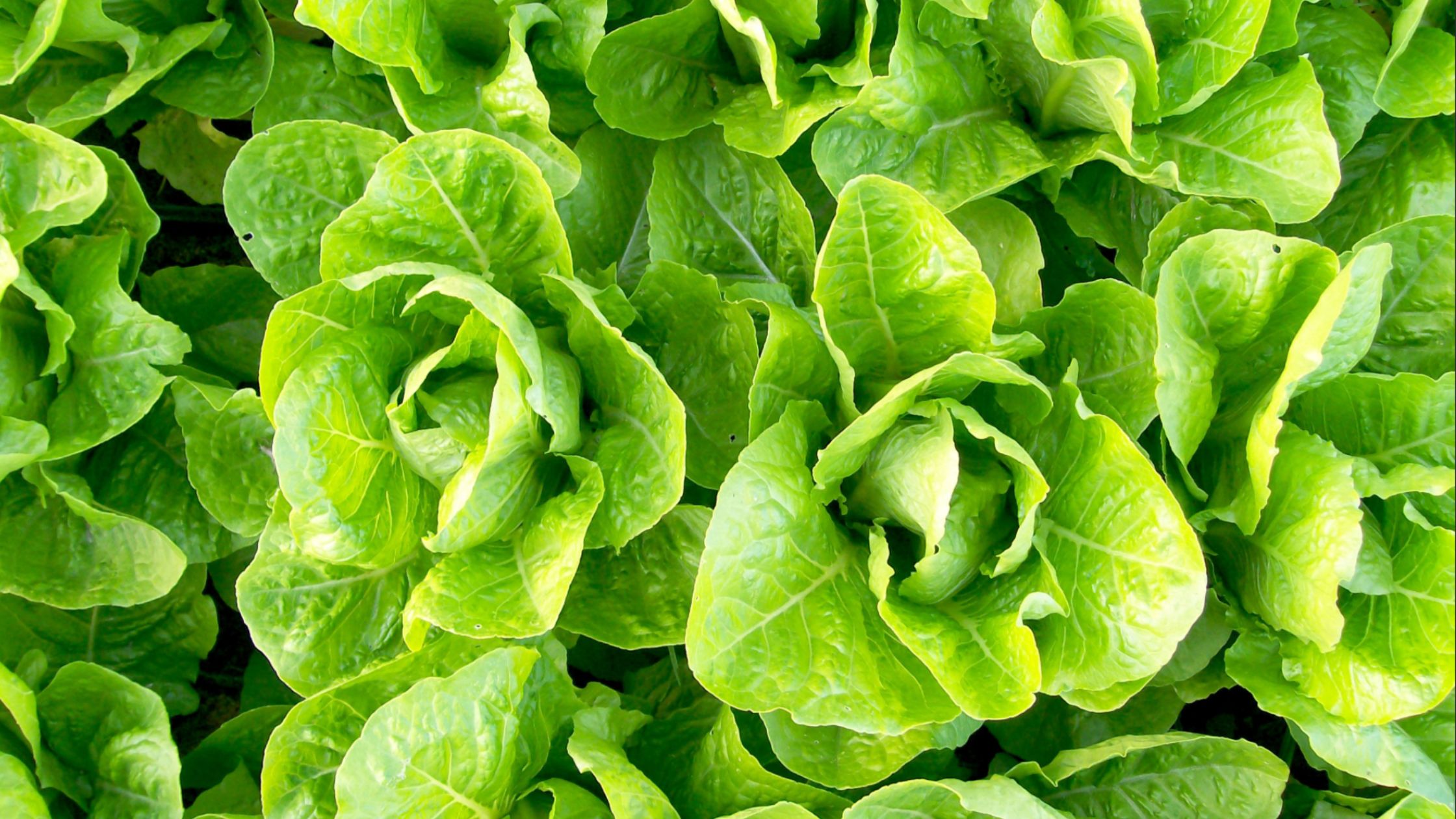
Cool-Weather Crops
For cool-season crops, we look for varieties that display more heat resistance than standard varieties. Note that they still won’t perform well during the height of summer in the south. You’ll need to get these varieties in early or late.
Folks in warm climates can also grow cool-weather crops during the off season. In the Deep South, try fall planting crops like cabbage, lettuce, kale, and radishes for winter production. In areas with some cold temperatures, you can use row cover to plant about two weeks early in the spring or keep plants going about two weeks longer in late fall.
Shade cloth can also help you grow cool-season crops later into the spring by offering them a respite from the intense sun.
Brassicas
When labeling brassicas for the southeast, we choose heat resistant varieties that are slow to bolt and maintain good color, texture, and flavor in hot conditions.
Greens & Lettuce
Varieties of greens and lettuce that thrive in the Southeast generally have a few specific characteristics. These varieties germinate well even in warm soil, are bolt-resistant, and resistant to tip burn. They may also be drought-tolerant.
Root Vegetables
Root vegetables that are ideal for the Southeast maintain their solid, crisp texture even in hot dry conditions, rather than becoming large and woody. 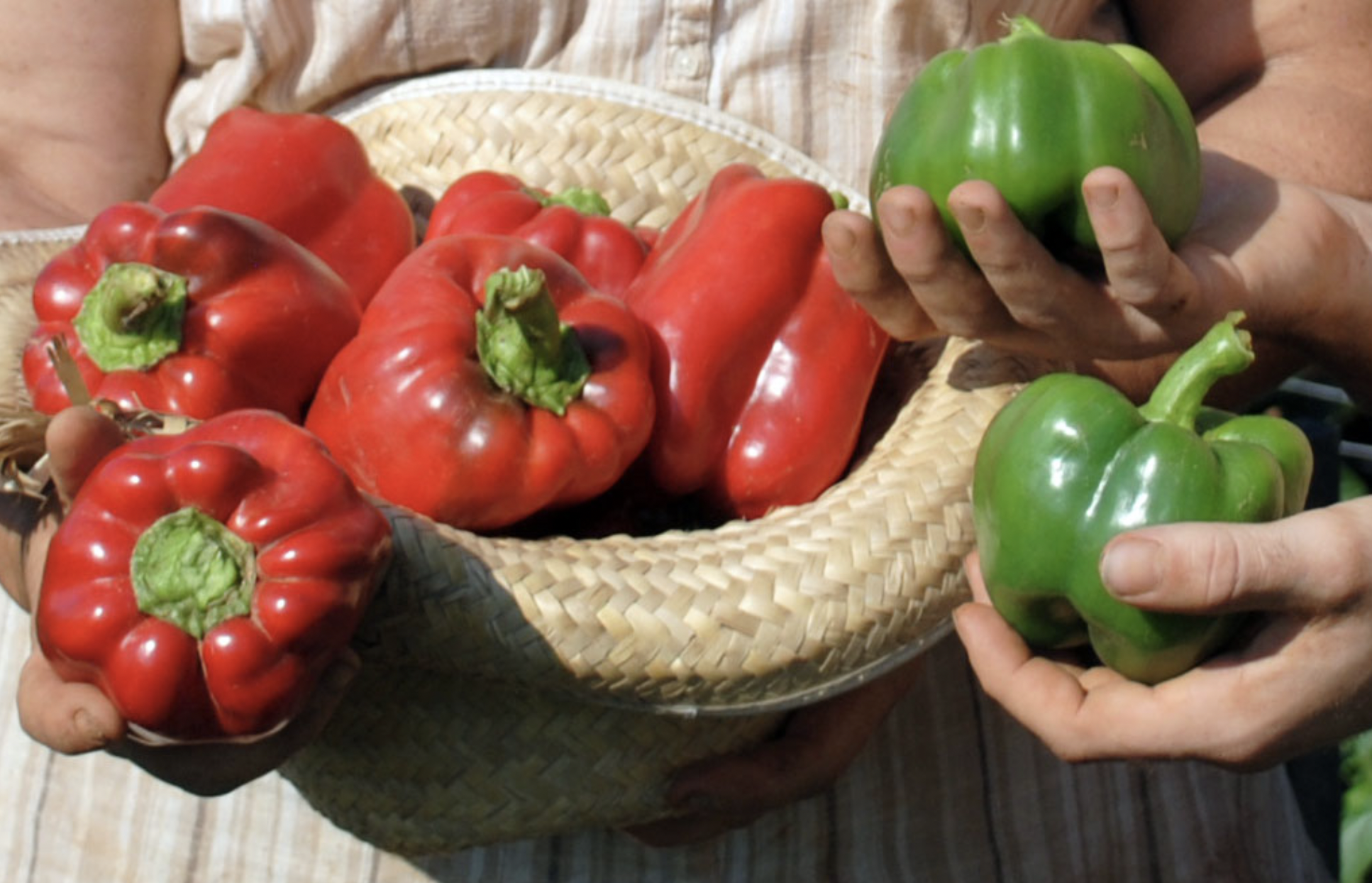
Warm-Weather Crops
When we select warm-weather crops, we’re looking at a few key factors like disease resistance, especially to fungal diseases, pest resistance, drought tolerance, and the ability to set fruit and maintain good flavor in high heat.
Tomatoes
High heat and fungal diseases often affect tomato production in the Southeast. At high temperatures, tomatoes may abort their flowers and fail to set fruit. In high humidity, they are more likely to succumb to common fungal diseases like late blight, alternaria, and fusarium wilt.
When selecting tomatoes for the Southeast, we look for disease-resistant and heat-resistant varieties that maintain good production in challenging conditions.
Cucumbers
Cucumbers are a warm-weather crop, but at high temperatures, they tend to drop their flowers and fail to set fruit. For the Southeast, we select varieties that hold their flowers at higher temperatures and produce reliably.
Squash
Vine borers are the enemy of all southern squash lovers. When selecting varieties for the Southeast, we look for good resistance to vine borers, fungal diseases, and tolerance of high heat and humidity.
Peppers
Peppers generally perform well in hot weather, but many fall prey to a common pest in the Southeast: root knot nematodes. Peppers that receive the sun symbol show good disease and pest resistance.
Beans
Beans are another warm-season crop that can fall prey to high heat, diseases, and nematodes in the Southeast. Our recommended bean varieties for the Southeast display resistance to these common issues.
Many other traditional southern crops like okra, southern peas, and dent corn are also well-suited to the Southeast.
A Few of Our Favorite Heat Tolerant Crops
Malabar Spinach: This tropical vining plant is a great alternative to traditional spinach and will produce all summer even in high heat.
Seminole Pumpkins: A small butternut-like winter squash variety that thrives in hot, humid areas thanks to its excellent resistance to vine borers and Downey mildew.
Whaley’s Favorite Cabbage Collards: This old-time variety forms loose heads with mild flavor. It’s a great cabbage alternative and makes excellent collard kraut.
Carolina Wonder Bell Peppers: This is the best nematode-resistant bell pepper for home gardeners. It’s also less prone to developing fungus in the seed cavity than the classic California Wonder.
Neptune Tomato: Developed at the University of Florida, this hardy variety is ideal for gardeners and market growers in hot, humid, rainy growing regions where it is difficult to grow tomatoes. It has excellent heat tolerance and is resistant to bacterial wilt that’s common in the Southeast and Florida.